


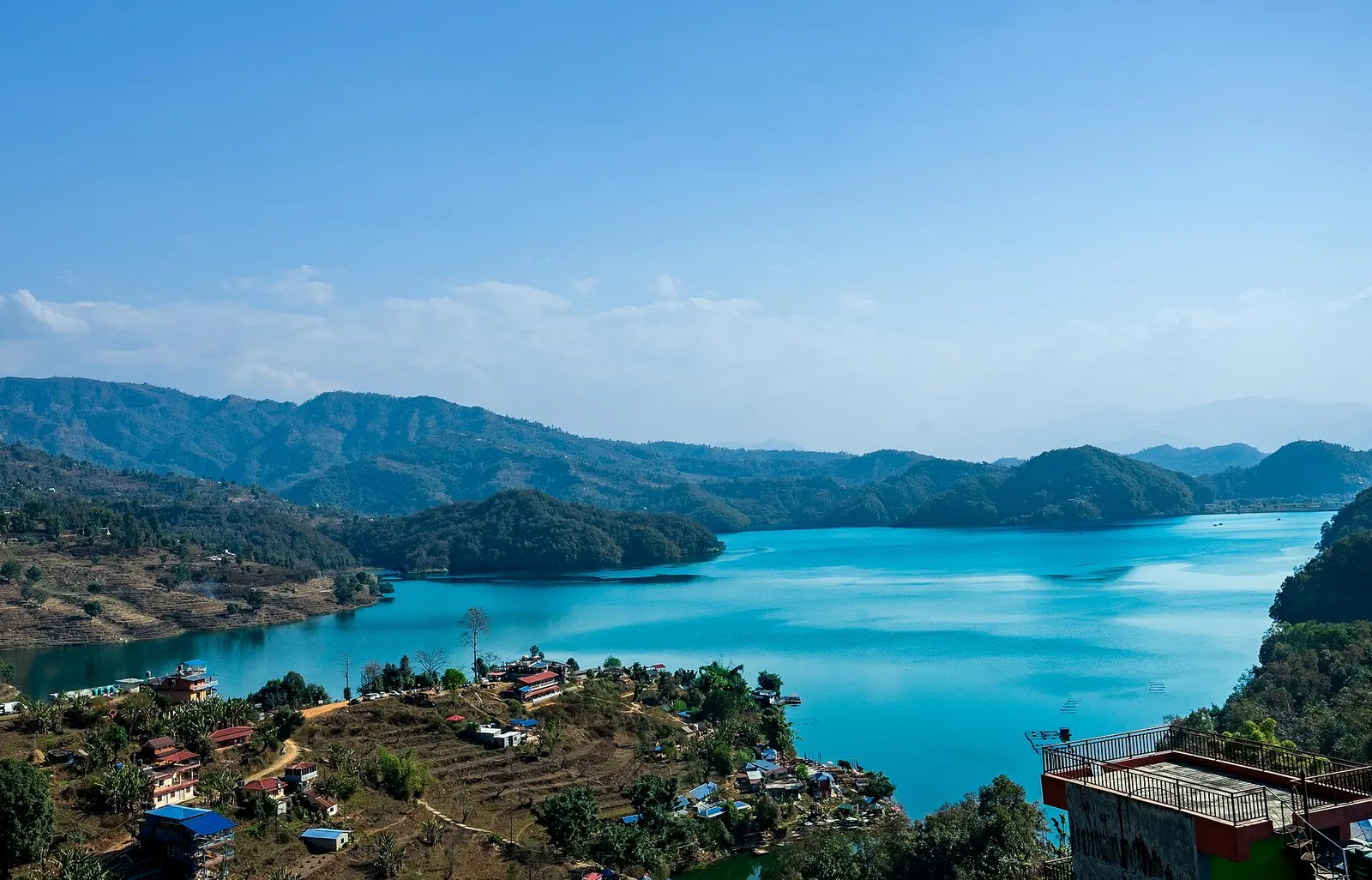
Lake · 650 m
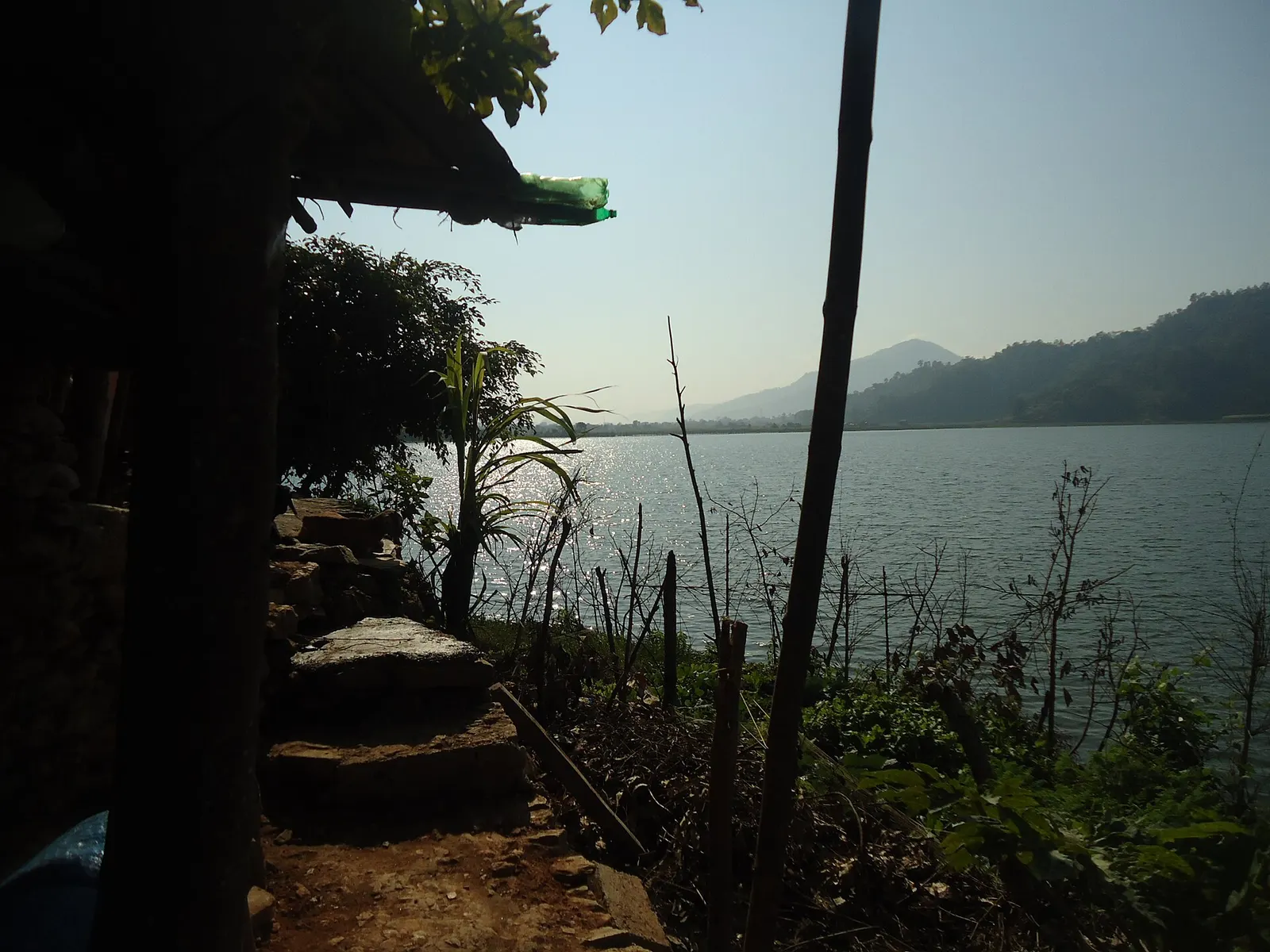
Begnas Lake
A quieter freshwater lake in the east of the Pokhara valley, ringed by forested ridges, rice terraces and fish farms.
Pokharaअन्तर्राष्ट्रिय पर्वतीय सङ्ग्रहालय
A museum in south Pokhara on the Himalaya's peaks, the people who climb them and the communities who live among them.
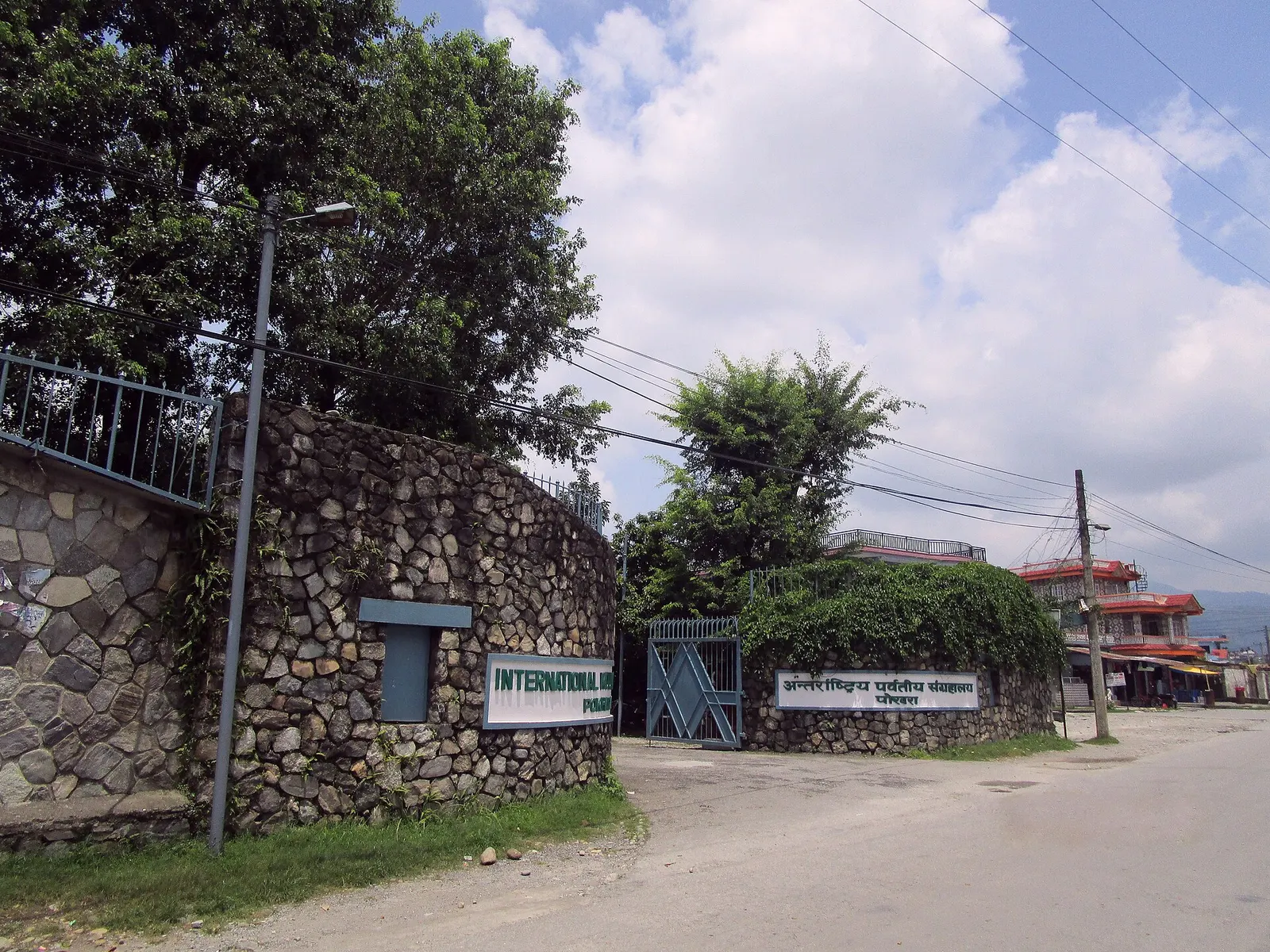
The International Mountain Museum sits in spacious grounds in the Gharipatan area of south Pokhara, a short drive from the old domestic airport. It is a good half-day stop for anyone heading into the Annapurnas or coming back from a trek, and a useful rainy-day option when cloud hides the real mountains.
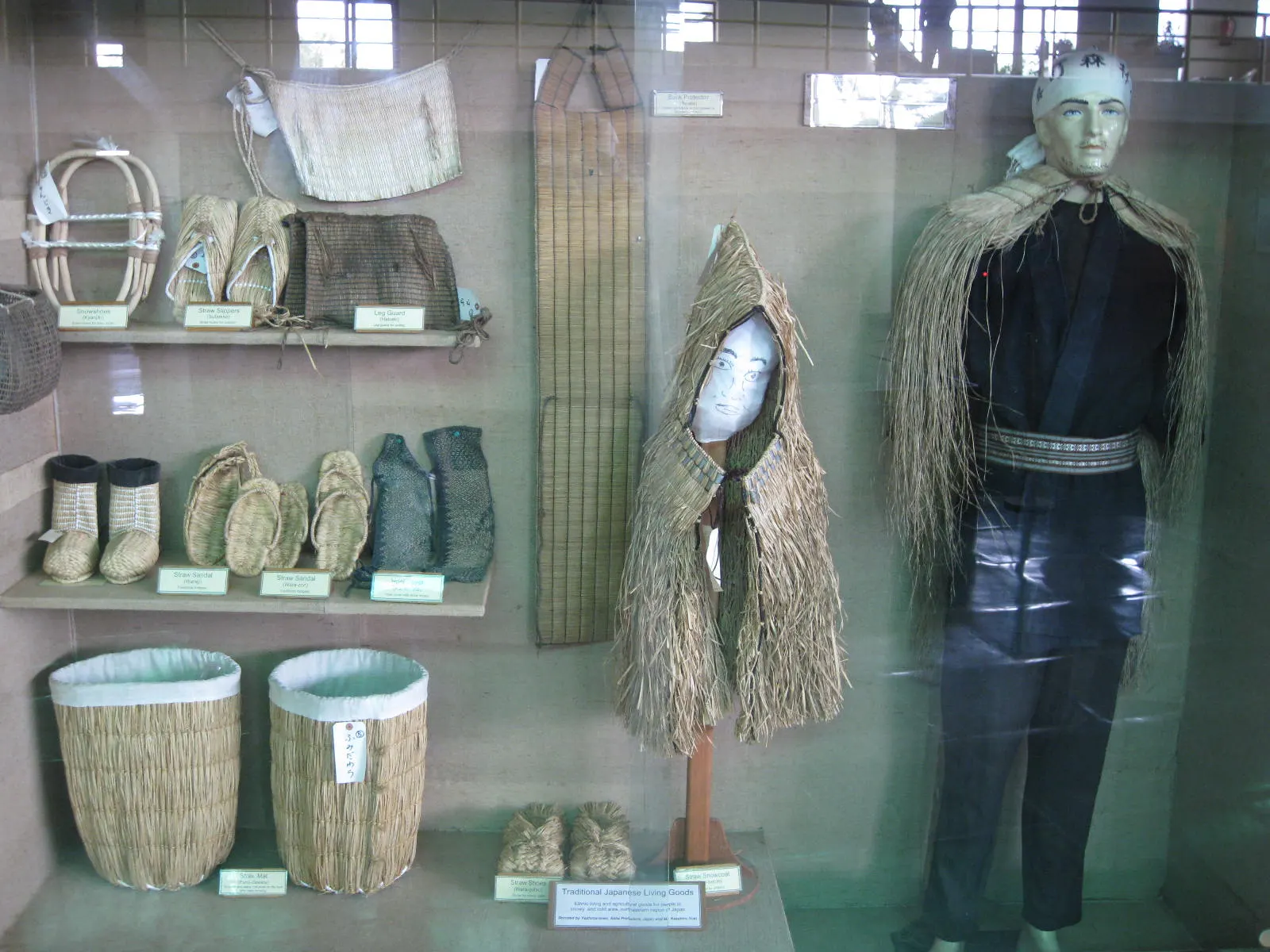
Inside, the main building is divided into three exhibition areas. The Hall of Great Himalayas covers the 14 peaks above 8,000 m, Himalayan geology, plants and animals, and the cultures of mountain peoples such as Sherpa, Thakali, Gurung and Manange communities, with clothing, tools and household objects. The Hall of Fame tells the stories of climbing expeditions and well-known mountaineers, with old equipment, oxygen sets and personal items. The Hall of World Mountains looks at ranges beyond Nepal. A section on the Yeti, models of peaks and displays on climate change and mountain waste round out the collection.
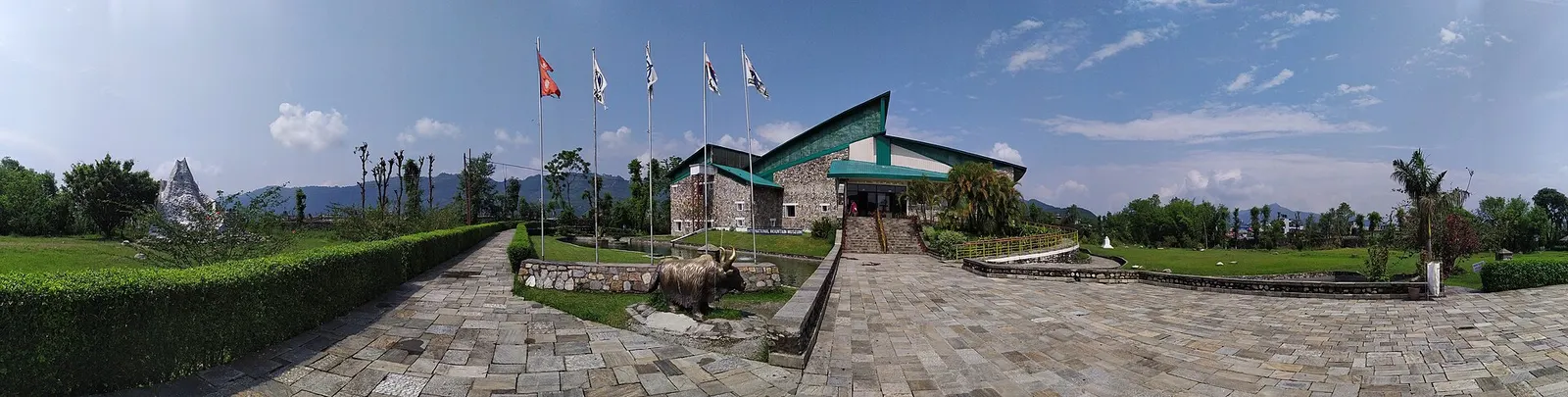
Outside, the grounds hold a large model mountain, an artificial climbing wall named after Maurice Herzog, a memorial to climbers who died in the Himalaya, and open lawns with views towards the Annapurna range on clear days. Within Pokhara, the museum pairs well with the Seti Gorge and the old bazaar on the east side of the city, or with the south-side sights around Davis Falls.
The museum was opened on 5 February 2004 and is run by the Nepal Mountaineering Association, the body that also oversees many of Nepal's trekking peaks. Its aim is to record and display the history of mountaineering and the lives of people living in the world's mountain regions. Visitor numbers have grown since opening, with a dip after the 2015 earthquakes and a closure from March to November 2020 during the pandemic; by 2019 the museum reported millions of visits in total.
The collection is a reminder that Nepal's mountain story goes far beyond summits. Displays on the Sherpa, Thakali, Gurung, Tamang and other highland groups show how herding, farming, trade and religion shaped life at altitude, while the expedition halls follow mountaineering from Maurice Herzog's ascent of Annapurna I in 1950 and Tenzing Norgay and Edmund Hillary on Everest in 1953 to the present.
Tour the three halls
Allow 1.5-2 hours for the Hall of Great Himalayas, Hall of Fame and Hall of World Mountains.
Plan a trek
Use the maps and peak exhibits to understand the Annapurna, Manaslu and Mustang routes before setting out.
Walk the grounds
See the climbing wall, model mountain and memorials, and look for the Annapurnas on a clear day.
Forecast for 797 m. Conditions change fast in the mountains.
Weather data: MET Norway, licensed CC BY 4.0. A forecast, not a guarantee.
All year
Stay in Lakeside or Damside and visit by taxi; there is no reason to stay near the museum itself.
No partner stays are listed here yet. List a property.
The museum is in south Pokhara, roughly 1-2 km south of the old domestic airport and about 3-5 km from Lakeside.
Nearest hub: Pokhara
Entry fee
An entry ticket is charged, with different rates for foreign, SAARC and Nepali visitors.
Verify before travel: permit rules and fees change. Checked 2026-10-06 against Pokhara (Wikivoyage).
It suits anyone interested in the Himalaya, mountaineering history or highland cultures, and is a good stop before or after a trek or on a cloudy day.
About 1.5-2 hours covers the three halls and the grounds.
In the Gharipatan area of south Pokhara, about 3-5 km from Lakeside, roughly 15-20 minutes by taxi.
Yes. Tickets are sold at the gate with separate rates for foreign, SAARC and Nepali visitors.
Lake · 650 m
A quieter freshwater lake in the east of the Pokhara valley, ringed by forested ridges, rice terraces and fish farms.
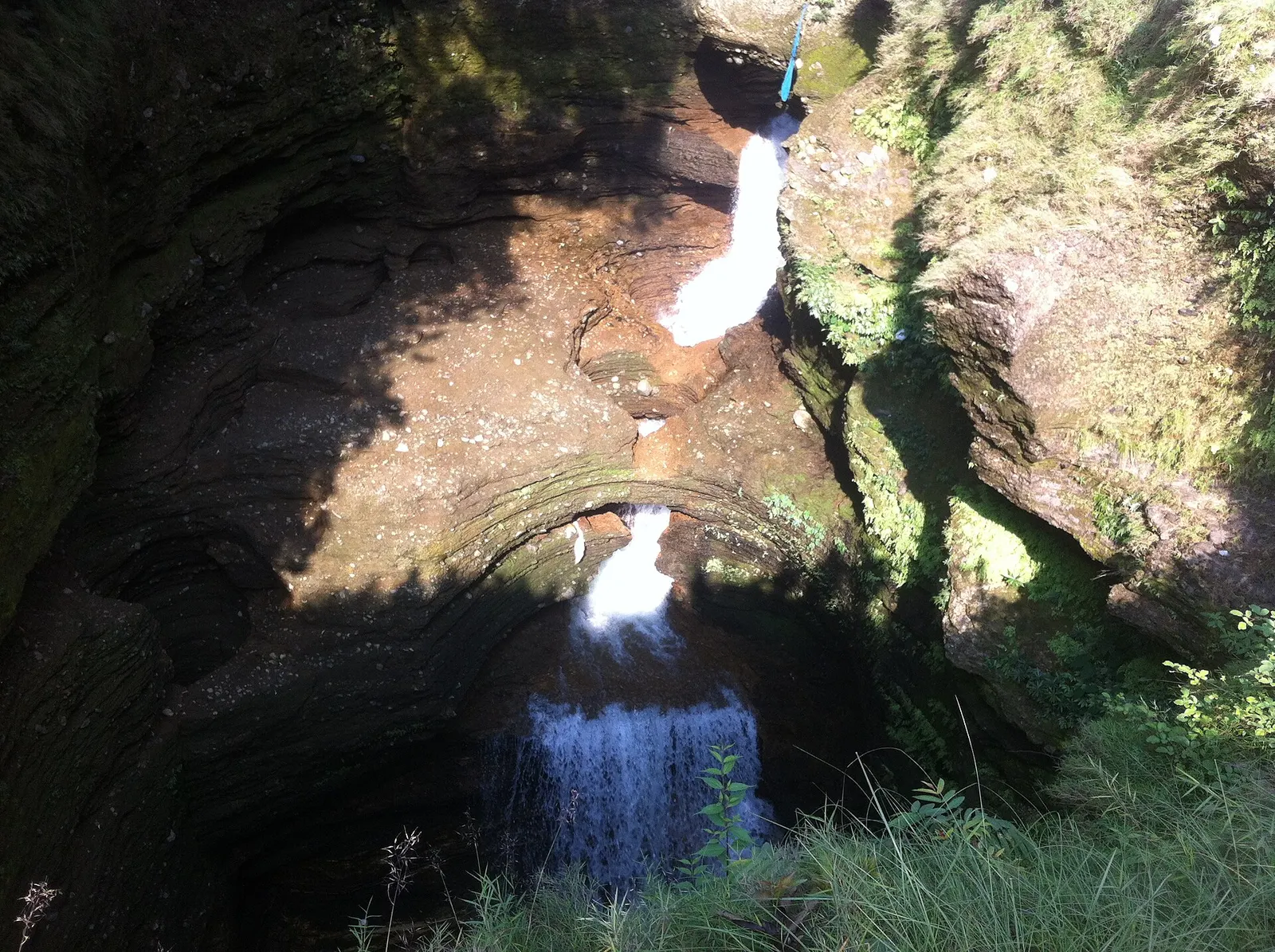
Viewpoint · 780 m
A waterfall in south Pokhara where the outflow of Phewa Tal drops into a narrow chasm and disappears underground.
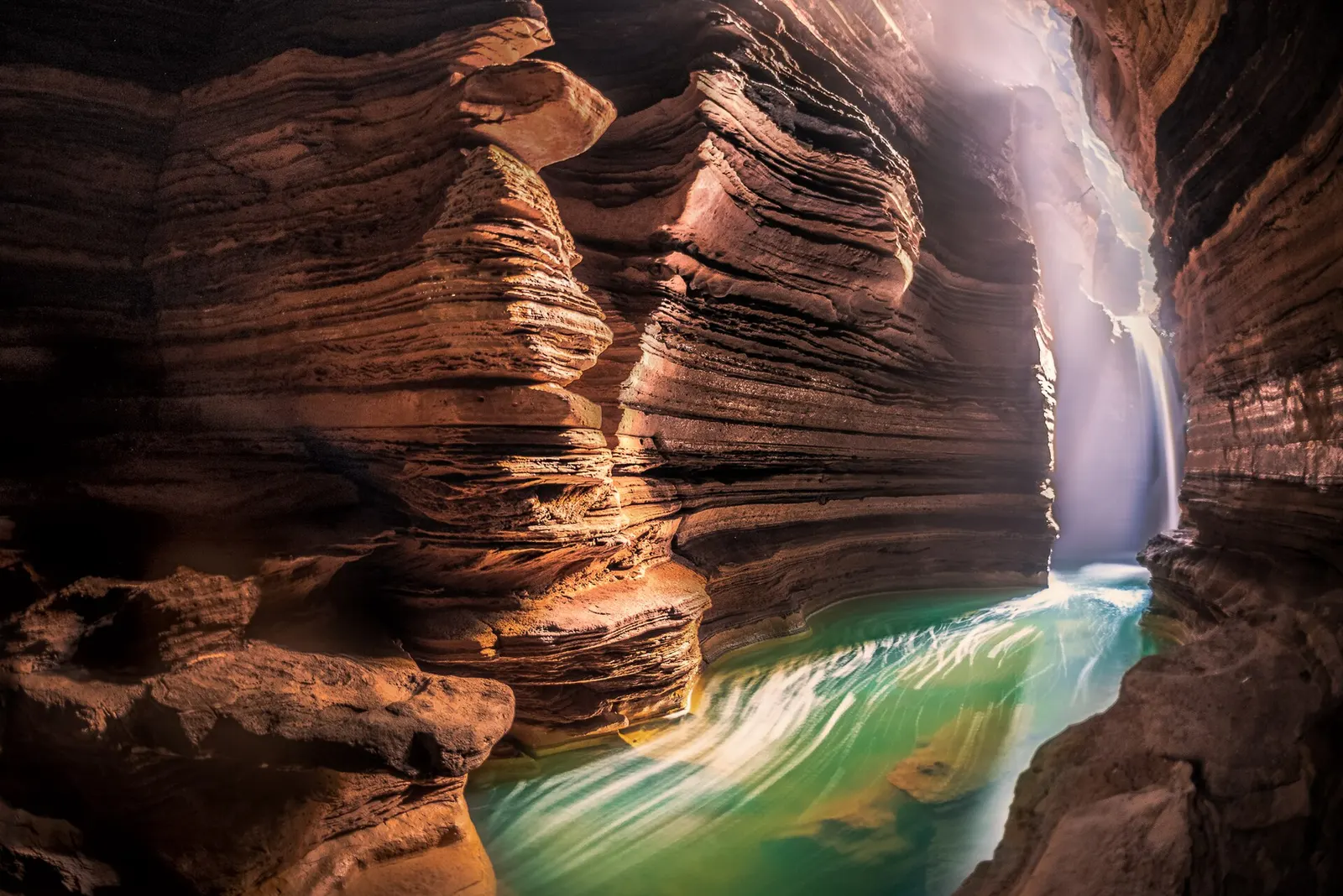
Temple, monastery or heritage site · 778 m
A Shiva cave shrine in south Pokhara, with a lower passage that ends behind the falling water of Davis Falls.
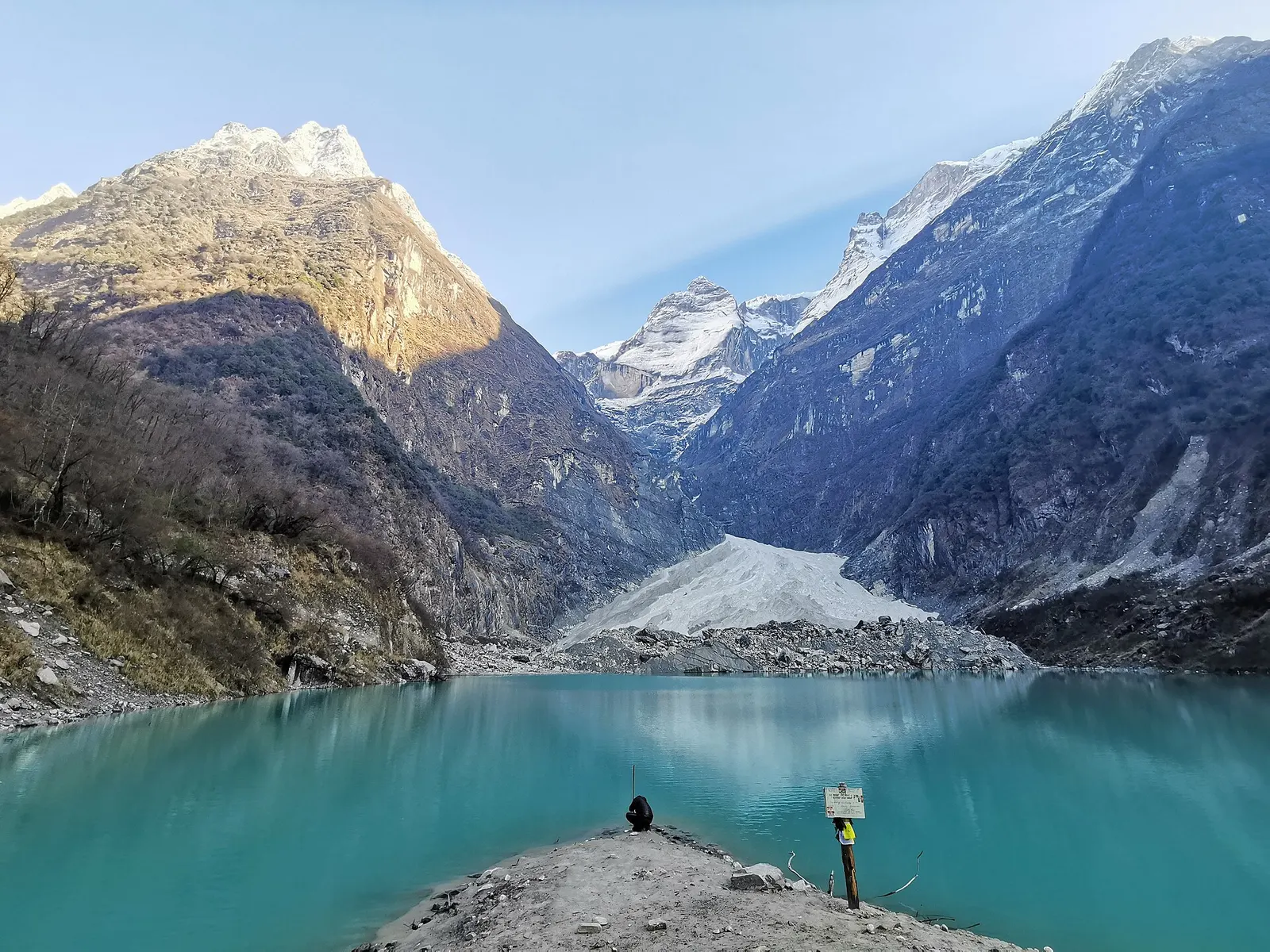
Lake · 2,546 m
A glacier lake at about 2,546 m beneath Annapurna II and Lamjung Himal, reached by a short trek from the Gurung village of Sikles.
Viewpoint · 2,517 m
A forested hill at about 2,500 m west of Phewa Tal, with a temple and pond on top and views of the Annapurna and Dhaulagiri ranges.
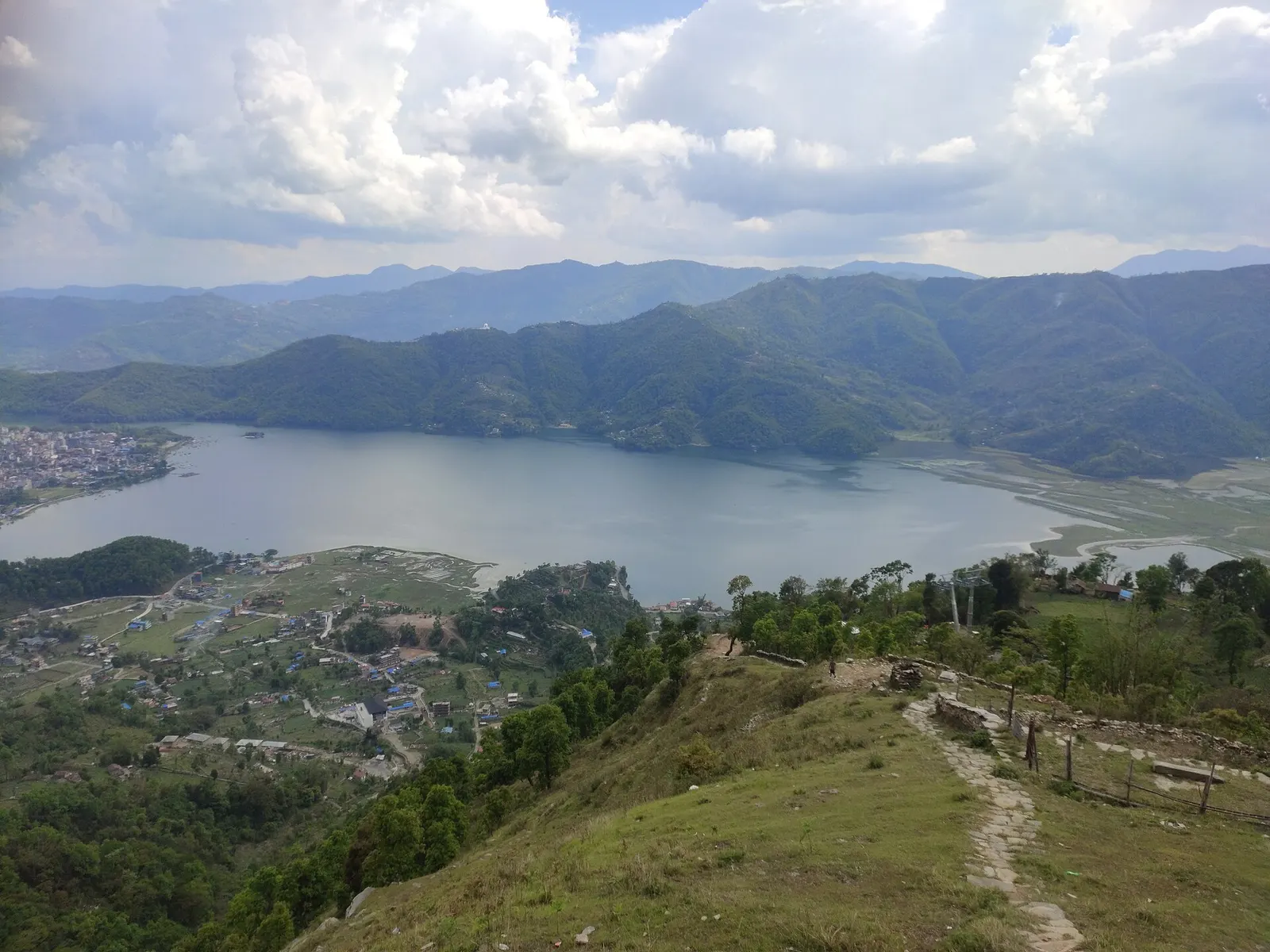
Lake · 742 m
Pokhara's main lake, with rowing boats, an island temple and Machhapuchhre reflected on still mornings.
Lake · 600 m
A small, shallow lake beside Begnas in the east of the Pokhara valley, managed by a local fisheries cooperative and rich in waterbirds.
Viewpoint · 1,600 m
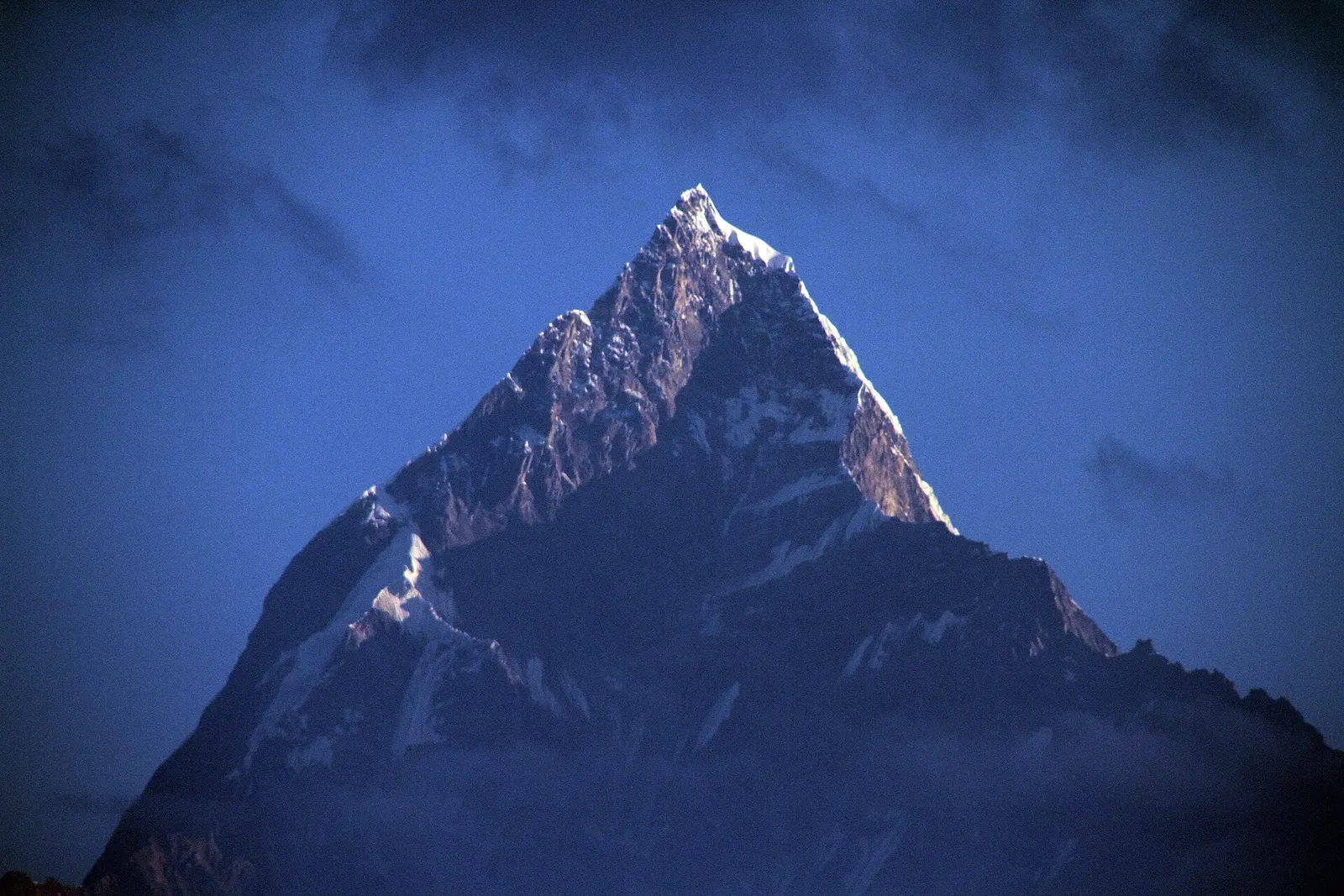
A ridge-top viewpoint on Pokhara's western edge, known for sunrise over the Annapurnas and as the city's paragliding launch.
National park or conservation area
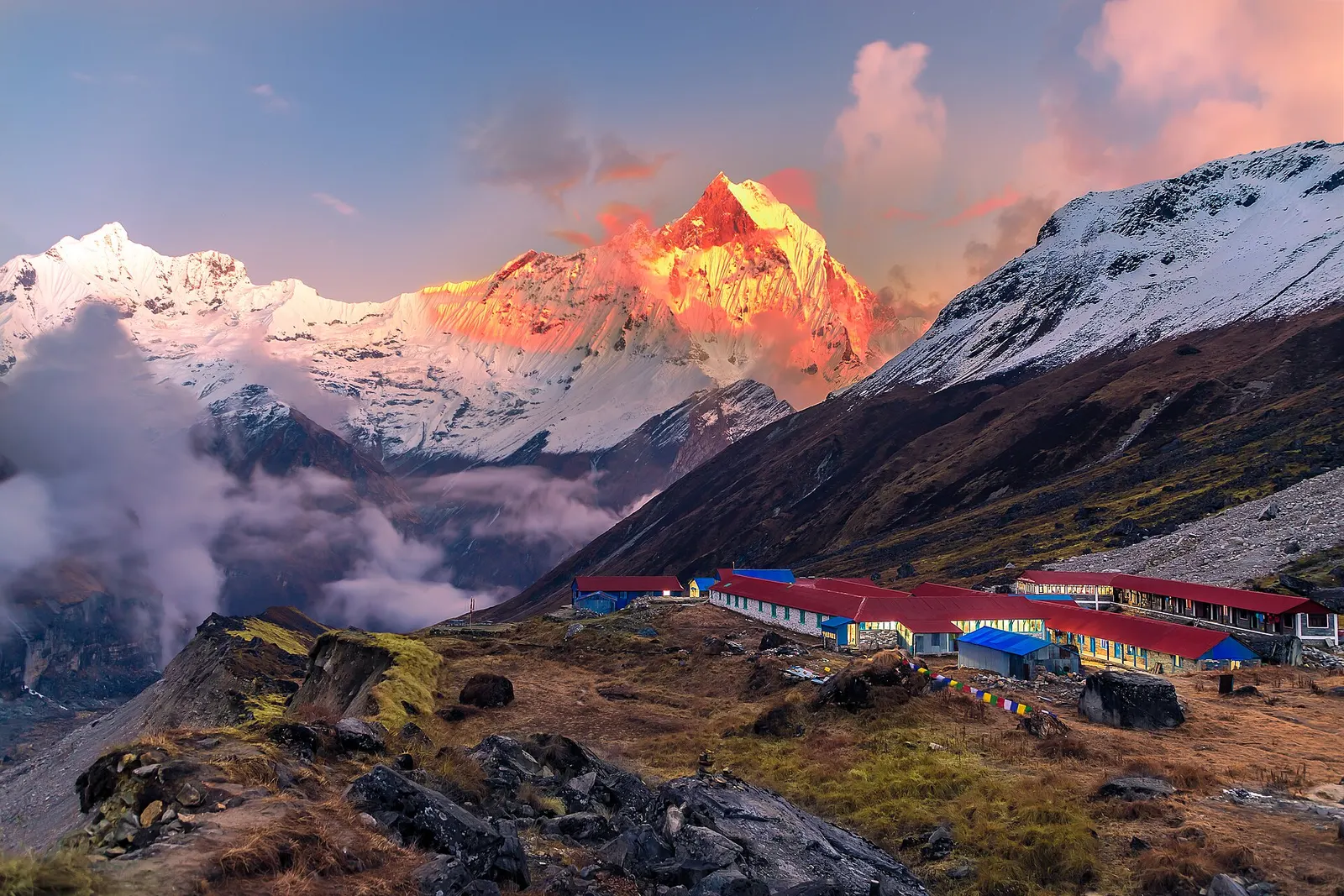
Nepal's largest protected area, from Gurung hill villages and rhododendron forest to the dry valleys behind the Annapurna range.
Valley or region
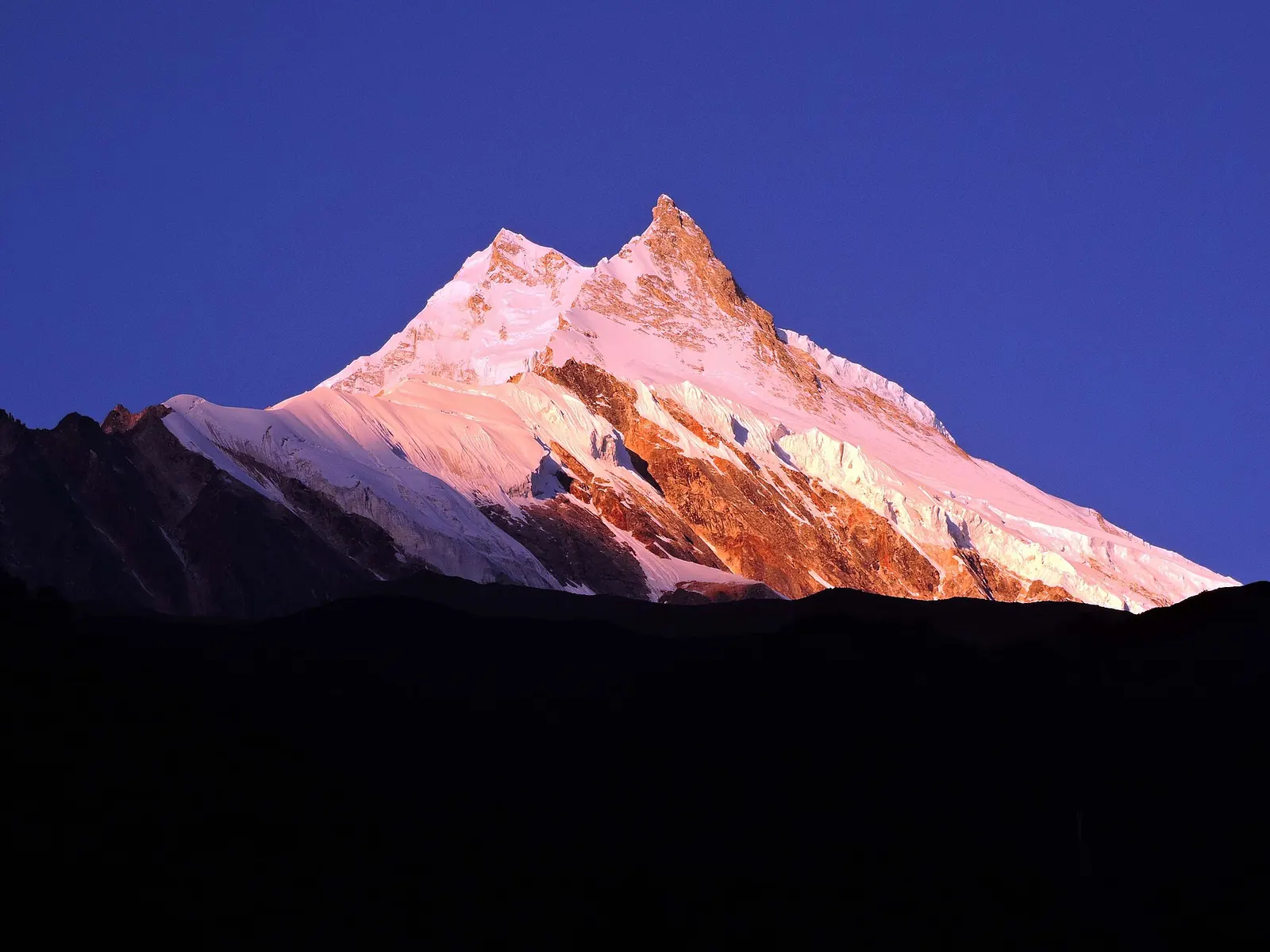
A restricted trekking region around the world's eighth-highest mountain, from the Budhi Gandaki gorge to Tibetan-Buddhist villages and the Larkya La.
Valley or region
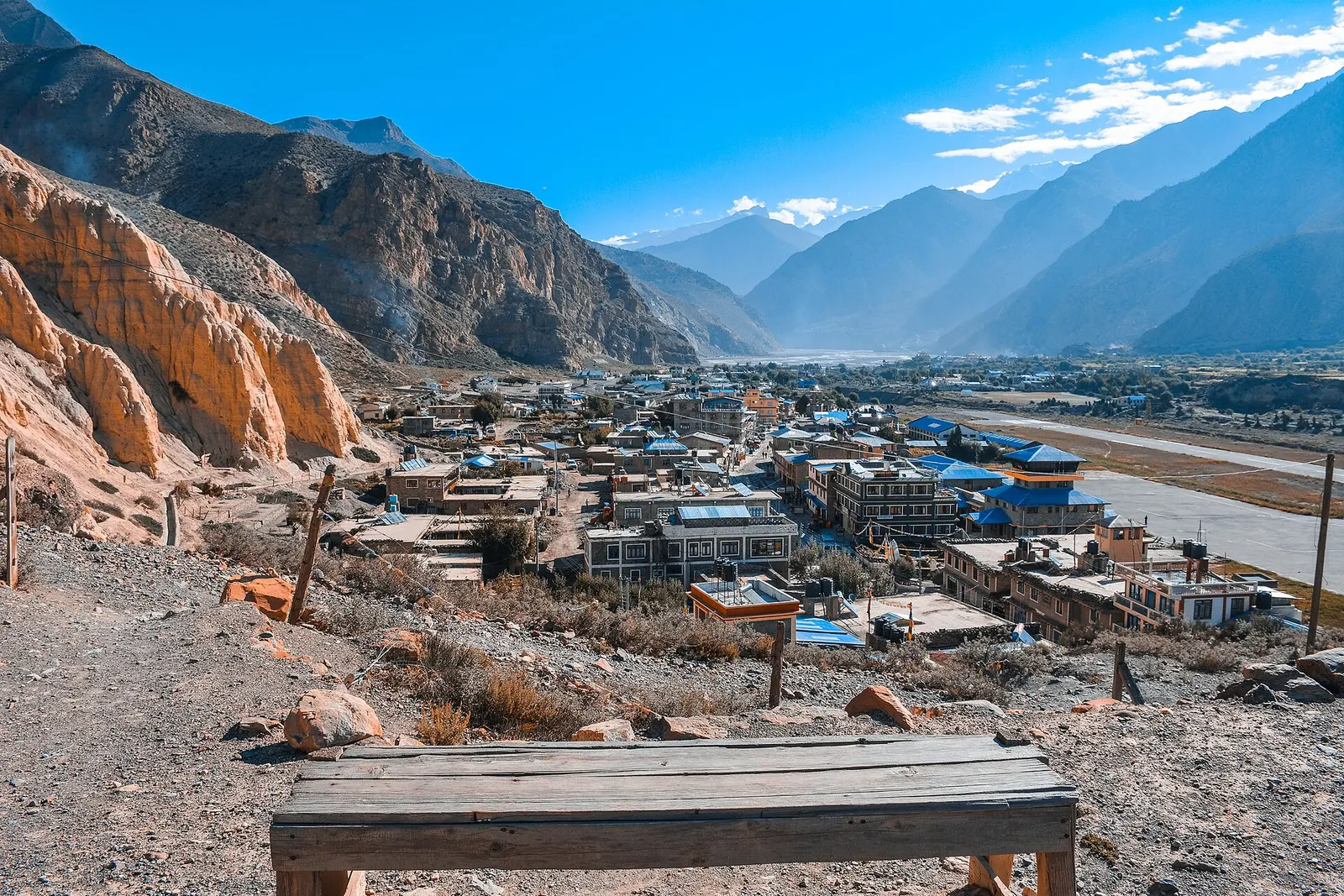
A trans-Himalayan district along the Kali Gandaki, from Thakali villages and apple orchards to the walled towns of the old Kingdom of Lo.
Valley or region
The Sherpa homeland below Everest, reached on foot from Lukla through stone villages, monasteries and glacial valleys.