Nepal's heritage: history, faith and World Heritage
The stories behind Nepal: the lake that became the Kathmandu Valley, the unification of the country, its peoples and faiths, and its four UNESCO World Heritage properties.
By Firfirey editorial. Editorial draft, facts being checked against official sources.
Nepal's four World Heritage properties
Nepal has four properties on the UNESCO World Heritage List. You will often see the number given as ten or more; that comes from counting the seven monument zones of the Kathmandu Valley separately. They form one property.
| Property | Type | Inscribed |
|---|---|---|
| Kathmandu Valley (seven monument zones) | Cultural | 1979 |
| Sagarmatha National Park | Natural | 1979 |
| Chitwan National Park | Natural | 1984 |
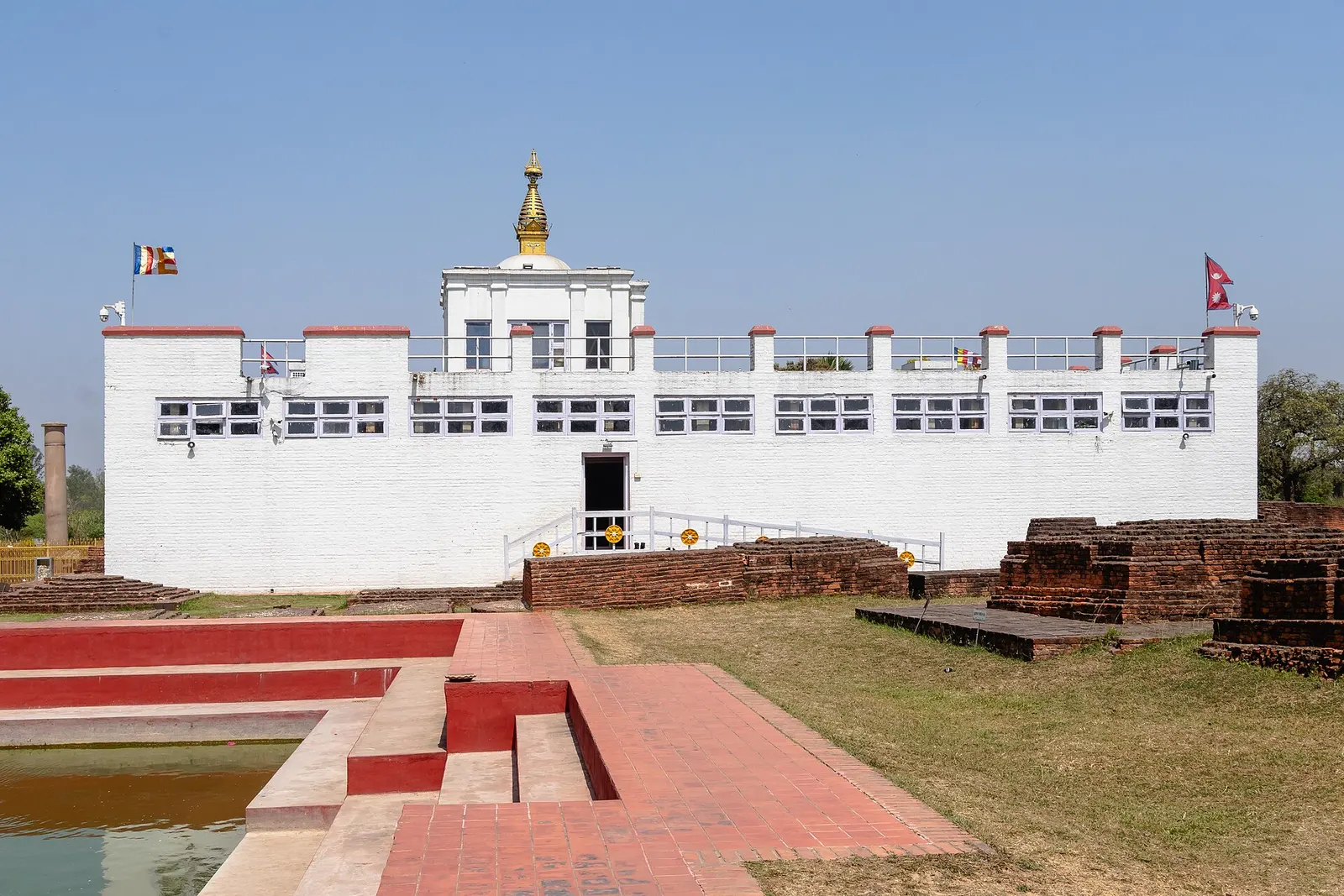
| Lumbini, the Birthplace of the Lord Buddha | Cultural | 1997 |
The seven monument zones of the Kathmandu Valley
The Kathmandu Valley property is made up of:
- Kathmandu Durbar Square (Hanuman Dhoka)
- Patan Durbar Square
- Bhaktapur Durbar Square
- Swayambhu
- Boudhanath
- Pashupati
- Changu Narayan
The lake that became a valley
Legend says the Kathmandu Valley was once a great lake. The bodhisattva Manjushri saw a lotus flame shining on the water and cut through the hills at Chobhar with his sword. The lake drained and the valley was born. Geologists agree that the valley was once a lake, and the Chobhar gorge is where the Bagmati River leaves it.
From kingdoms to one country
The valley's recorded history runs through the Licchavi period, from around the 5th century CE, and then the Malla kings, who built much of what you see in the durbar squares of Kathmandu, Patan and Bhaktapur.
In the 18th century, Prithvi Narayan Shah, king of Gorkha, brought the hill kingdoms together, taking the Kathmandu Valley in 1768-69. He described the new country as 'a garden of four castes and thirty-six sub-castes'. Nepal was never colonised.
The Gurkhas
During the Anglo-Nepalese War of 1814-16, the British East India Company was impressed enough by the hill soldiers it fought that, after the Treaty of Sugauli, it began recruiting them. Gurkha soldiers from Nepal still serve in the British and Indian armies. The curved khukuri knife they carry appears on Nepal's coat of arms.
Many peoples, many languages
Nepal's 2021 census recorded well over a hundred caste and ethnic groups and more than a hundred mother tongues. They include the Newars of the valley, the Gurungs and Magars of the middle hills, Tamangs, Rais, Limbus and Sherpas in the higher country, the Tharus of the Terai, and the Khas Arya communities of the hills.
Caste discrimination was removed from the legal code in 1963 and made a criminal offence in 2011, though its social effects have not disappeared.
Born in Lumbini
Siddhartha Gautama, who became the Buddha, was born in Lumbini in what is now southern Nepal. A stone pillar erected by the Indian emperor Ashoka in the 3rd century BCE marks the spot and records his visit. In the Kathmandu Valley, Hindu and Buddhist practice have blended for centuries, and many families visit both temples and stupas.
Jatras and the living goddess
A jatra is a festival procession in which a deity leaves its temple, often on a great wooden chariot pulled through the streets. Rato Machhindranath in Patan, the rain god, has one of the longest. In Kathmandu, the Kumari, a young girl chosen as a living goddess, lives in her house on Durbar Square and is carried through the city during Indra Jatra.
Visiting temples well
A few simple habits show respect:
- Remove shoes, and leather where asked, before entering.
- Some temples or inner areas are for Hindus only; follow the signs.
- Walk clockwise around shrines and stupas.
- Cover shoulders and knees, do not touch statues or offerings, and ask before photographing worshippers.
Questions
How many UNESCO World Heritage Sites does Nepal have?
Four properties: the Kathmandu Valley (with seven monument zones), Sagarmatha National Park, Chitwan National Park and Lumbini.
Was the Buddha born in Nepal?
Yes. He was born in Lumbini, in southern Nepal, as recorded on the Ashoka Pillar that still stands there.
Can I see the Kumari?
The Kumari of Kathmandu sometimes appears briefly at the window of her house on Durbar Square. Photographing her is not allowed.
Sources
Related treks
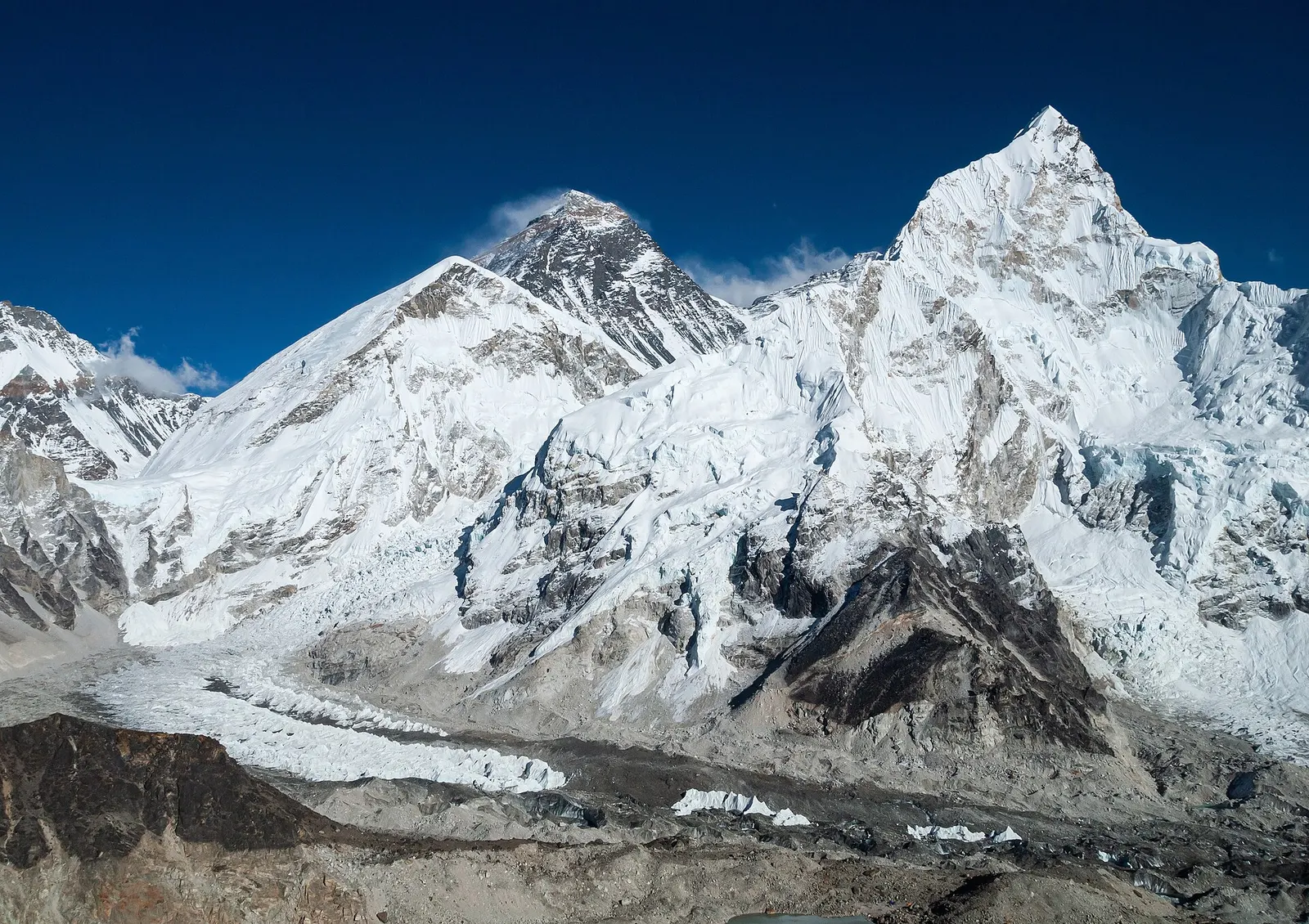
The classic teahouse trek from Lukla through Sherpa villages to Everest Base Camp (5,364 m) and the Kala Patthar viewpoint, with acclimatisation days in Namche and Dingboche.
- Days
- 12 days
- Maximum altitude
- 5,644 m
- Difficulty
- Strenuous
Related places
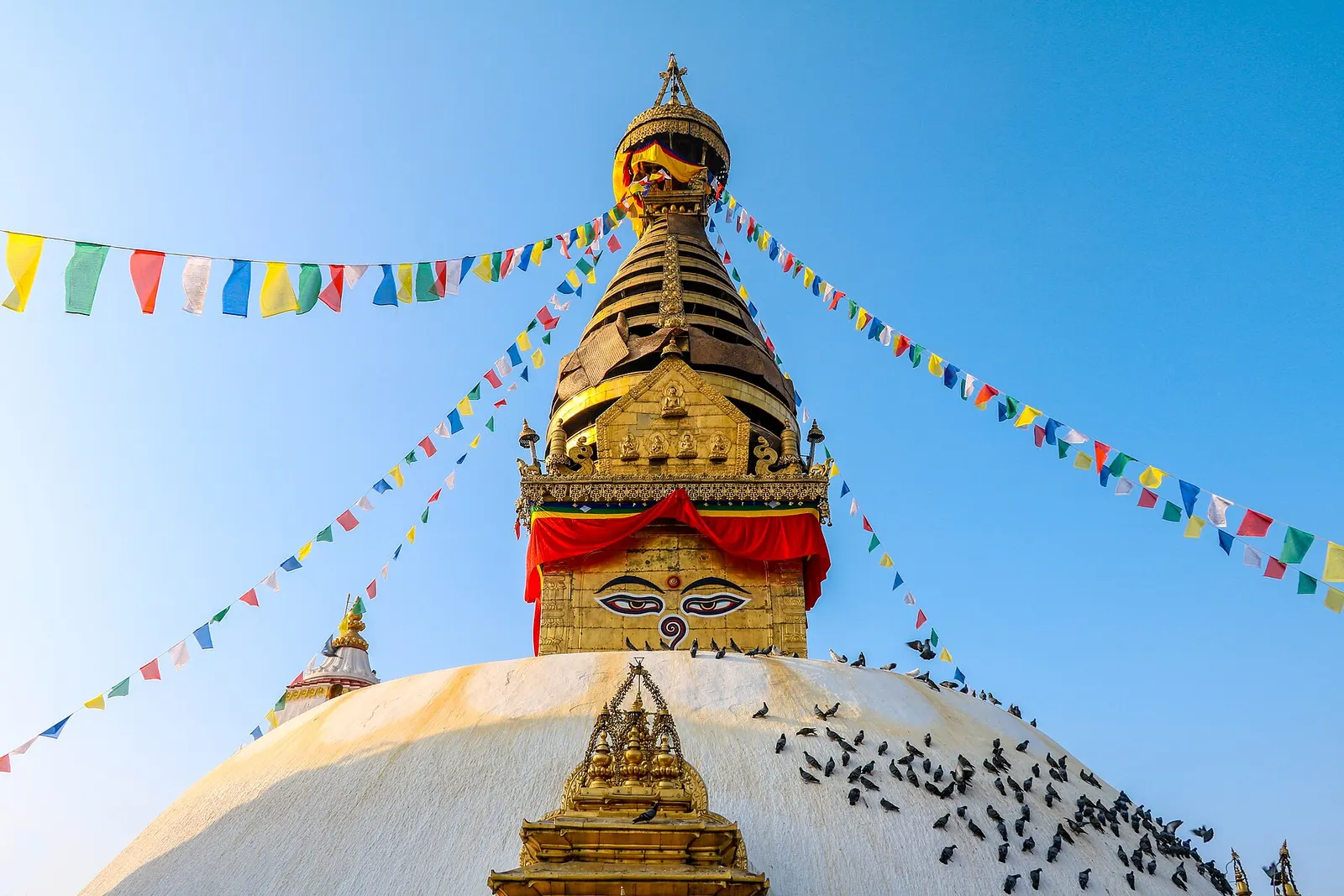
Kathmandu
1,400 m, best Feb-Apr, Oct-Dec
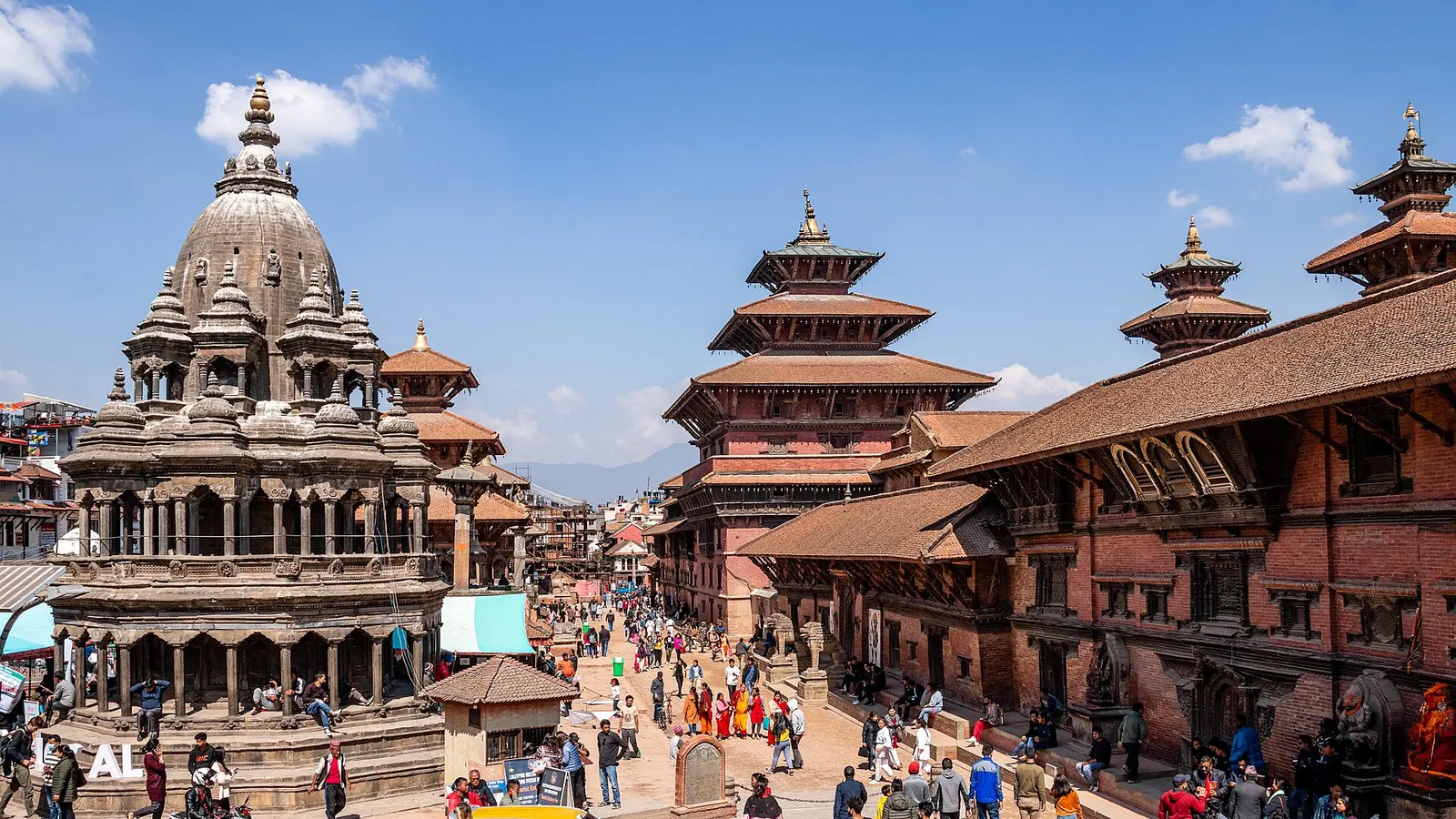
Patan (Lalitpur)
1,350 m, best Oct-May
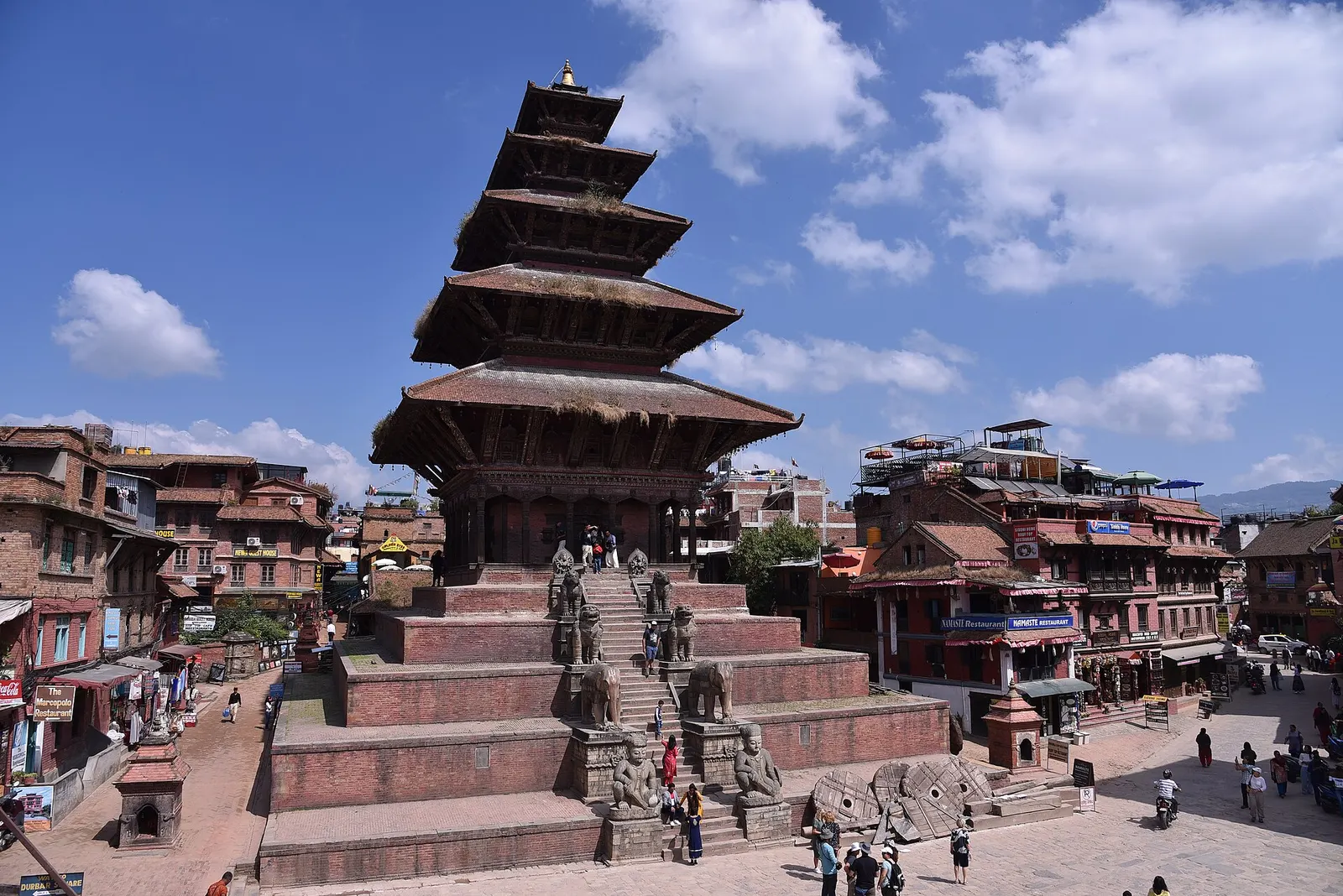
Bhaktapur
1,401 m, best Oct-May
Lumbini
150 m, best Oct-Mar