Money and SIM cards in Nepal
How to handle cash, ATMs and cards in Nepal, how much cash to carry on a trek, and how to get a local SIM card from Nepal Telecom or Ncell.
By Firfirey editorial. Editorial draft, facts being checked against official sources.
The currency
Nepal's currency is the Nepali rupee (NPR, often written Rs). The Nepali rupee is pegged to the Indian rupee by Nepal Rastra Bank, the central bank. Notes are used for almost everything; coins are rare.
Exchange money at banks or licensed money changers, which are common in Thamel and Pokhara's Lakeside, and keep the receipts. Avoid changing money with people on the street.
ATMs and cards
ATMs are easy to find in Kathmandu, Pokhara and other towns. Each withdrawal has a fairly low limit and a local fee, on top of anything your own bank charges, so fewer, larger withdrawals work out better.
Cards are accepted at many hotels, larger restaurants and shops in cities, sometimes with a surcharge. Smaller places, local buses and almost everything on a trek are cash only. Nepalis increasingly pay by QR code with local banking apps and wallets, but these usually need a Nepali bank account.
- Tell your bank you are travelling to Nepal before you leave.
- Carry two cards from different banks in case one is blocked or swallowed.
- Use ATMs attached to a bank branch, during opening hours where possible.
Cash for treks
Plan to carry all the cash you need for a trek from Kathmandu or Pokhara. A few trail towns, such as Namche Bazaar and Jomsom, have ATMs, but they can be empty or out of service. Teahouse prices rise with altitude because everything is carried up, and hot showers, charging and Wi-Fi are often paid extras.
Keep cash in more than one place, and keep small notes for tea, snacks and tips.
Tipping
Tipping is not traditional in Nepal but is now expected in tourism. In restaurants a service charge is often already added to the bill. On a trek, guides and porters usually receive a tip at the end, given personally to each person. Ask your agency what is customary for your trek length and group.
SIM cards and mobile data
Nepal has two main mobile operators: Nepal Telecom (the state-owned operator, also known as NTC) and Ncell. Both sell prepaid SIMs with data packs, including at counters in the arrivals area of Tribhuvan International Airport and at their service centres in towns.
You need your passport, and usually a photo (often taken on the spot) and a form with your address in Nepal. Registration is required by the Nepal Telecommunications Authority. Ask whether eSIM is available for your phone.
Coverage is good in cities and along main roads, and reaches many villages on the popular trekking routes, but there are gaps in deep valleys and remote areas. Some trekkers carry SIMs from both operators. Many teahouses sell Wi-Fi access, which can be slow at altitude.
Power and charging
Nepal uses 230 V electricity with type C, D and M sockets. A universal adapter covers them. On treks, many teahouses charge a small fee to charge devices, and power can be limited at high lodges, so bring a power bank.
Questions
Should I bring US dollars to Nepal?
Some dollars are useful for the visa fee on arrival. For everything else, rupees from an ATM or a licensed exchange are simpler.
Are there ATMs on trekking routes?
Only in a few larger trail towns, such as Namche Bazaar and Jomsom, and they are not reliable. Carry enough cash for the whole trek.
Which SIM card is better, Nepal Telecom or Ncell?
Both work well in cities. Coverage on trekking routes varies by area, so ask locally or carry both if you rely on your phone in the mountains.
Sources
Related treks
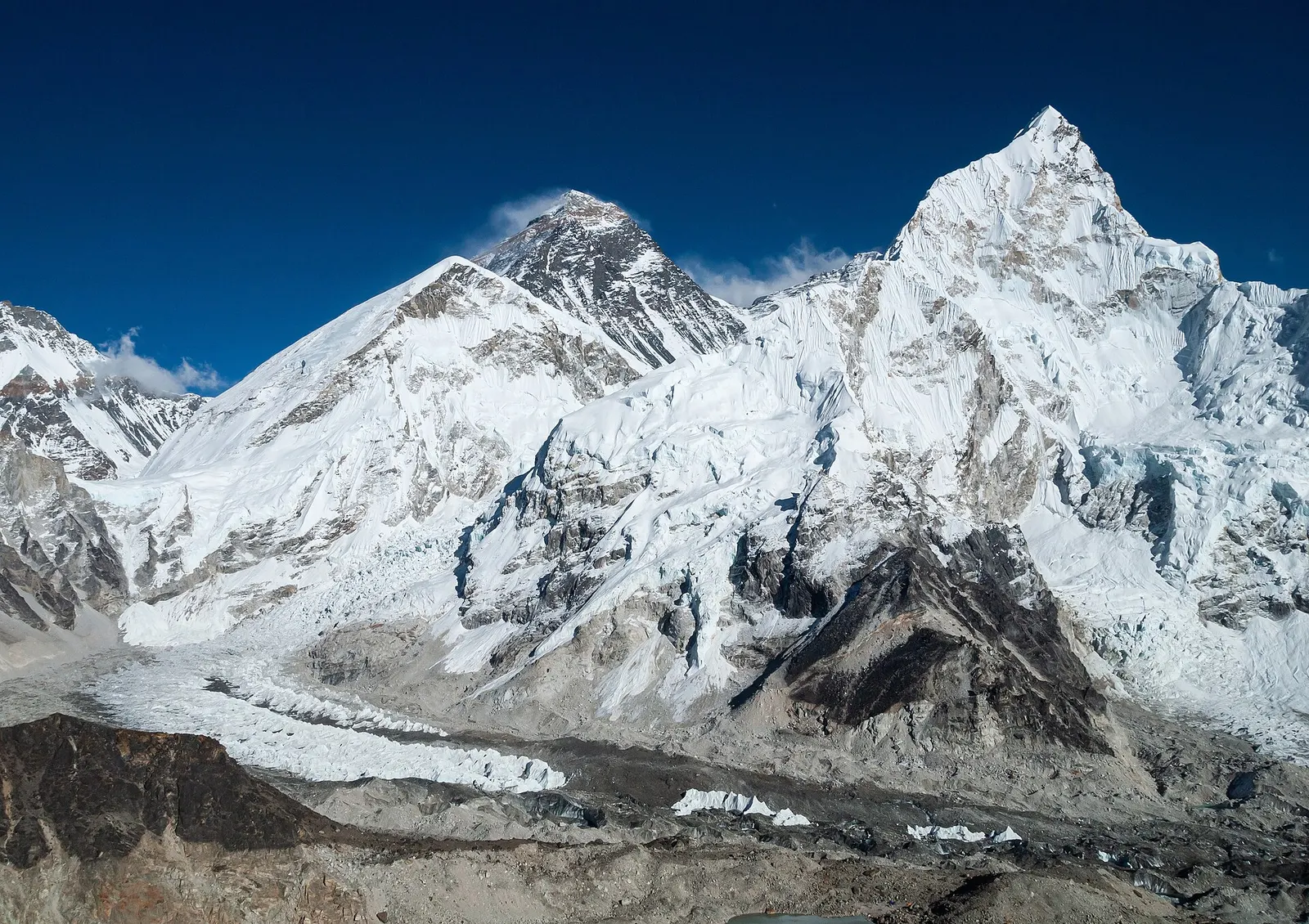
The classic teahouse trek from Lukla through Sherpa villages to Everest Base Camp (5,364 m) and the Kala Patthar viewpoint, with acclimatisation days in Namche and Dingboche.
- Days
- 12 days
- Maximum altitude
- 5,644 m
- Difficulty
- Strenuous
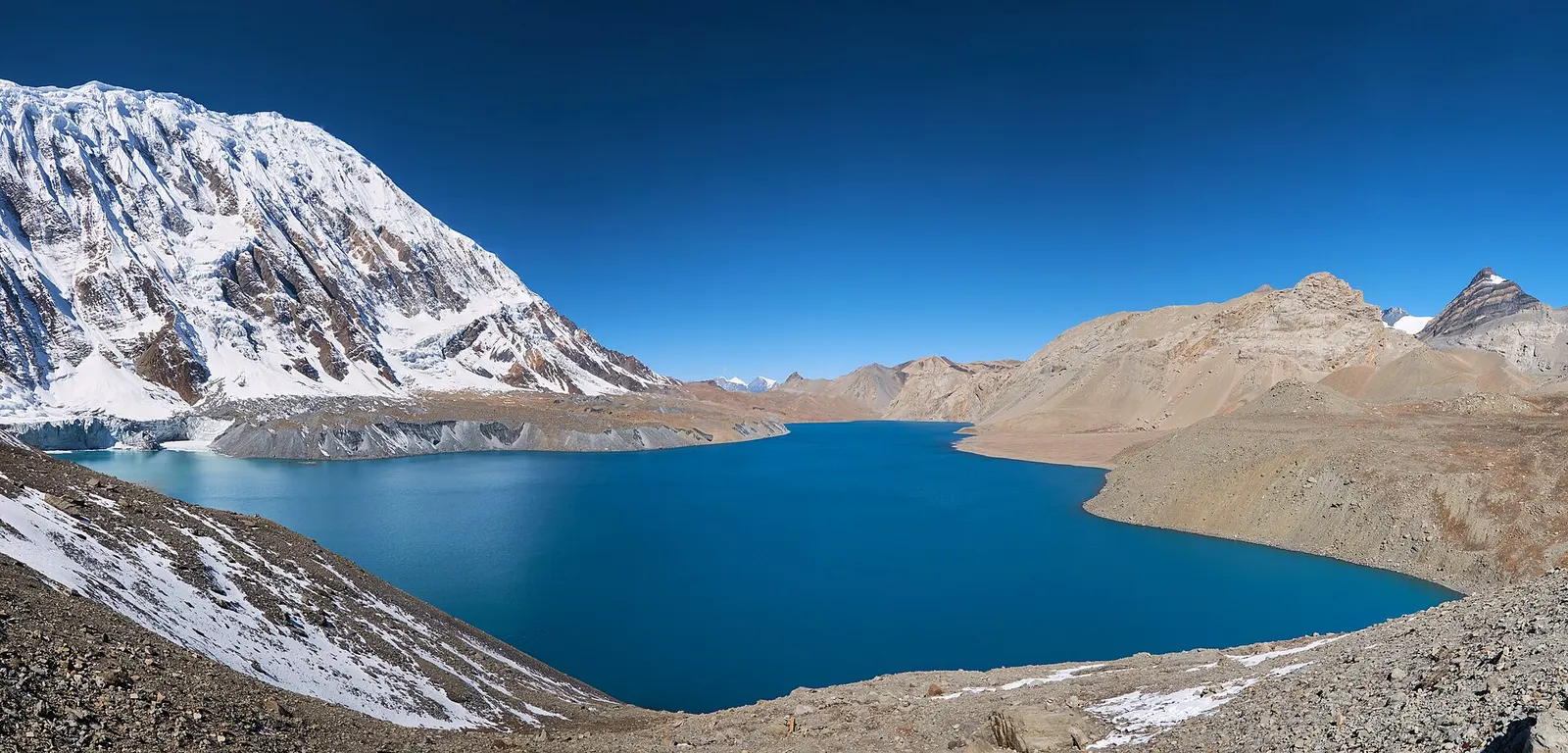
A teahouse journey around the Annapurna massif, from the green Marsyangdi valley through Manang and over the Thorong La (5,416 m) to Muktinath and the dry Kali Gandaki valley.
- Days
- 11 days
- Maximum altitude
- 5,416 m
- Difficulty
- Strenuous
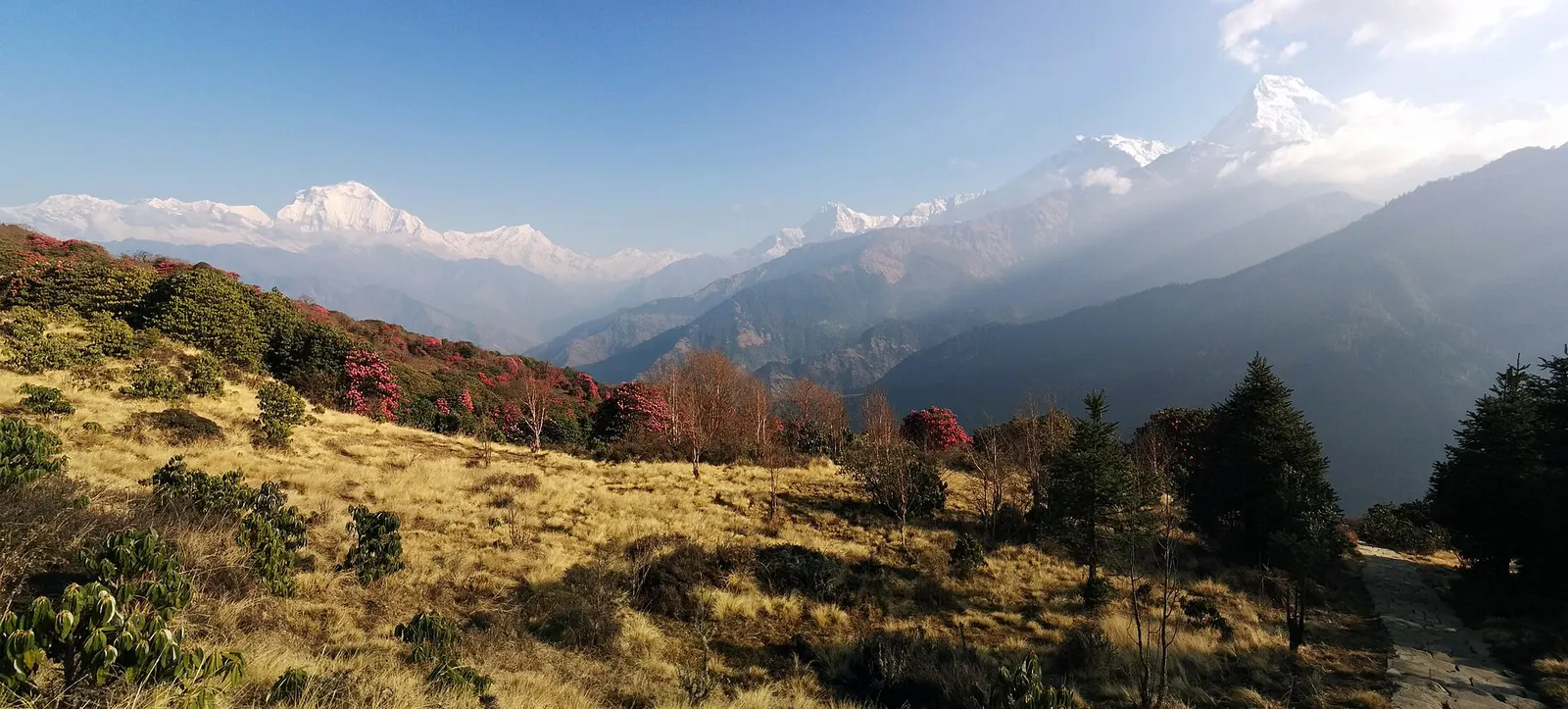
A short teahouse loop from Pokhara through Magar and Gurung villages and rhododendron forest to Ghorepani and the Poon Hill viewpoint (3,210 m), returning via Tadapani and Ghandruk.
- Days
- 4 days
- Maximum altitude
- 3,210 m
- Difficulty
- Easy
Related places
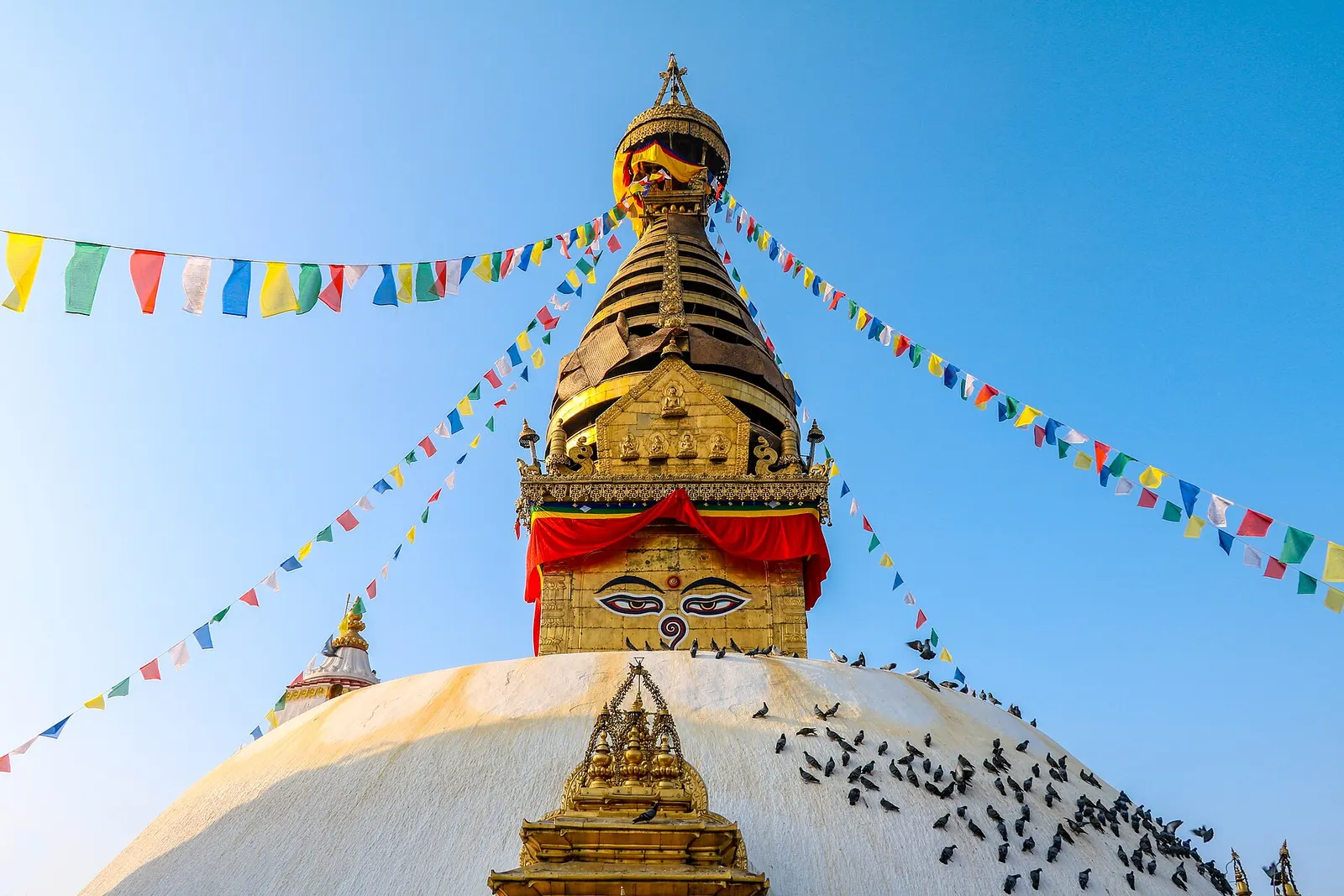
Kathmandu
1,400 m, best Feb-Apr, Oct-Dec
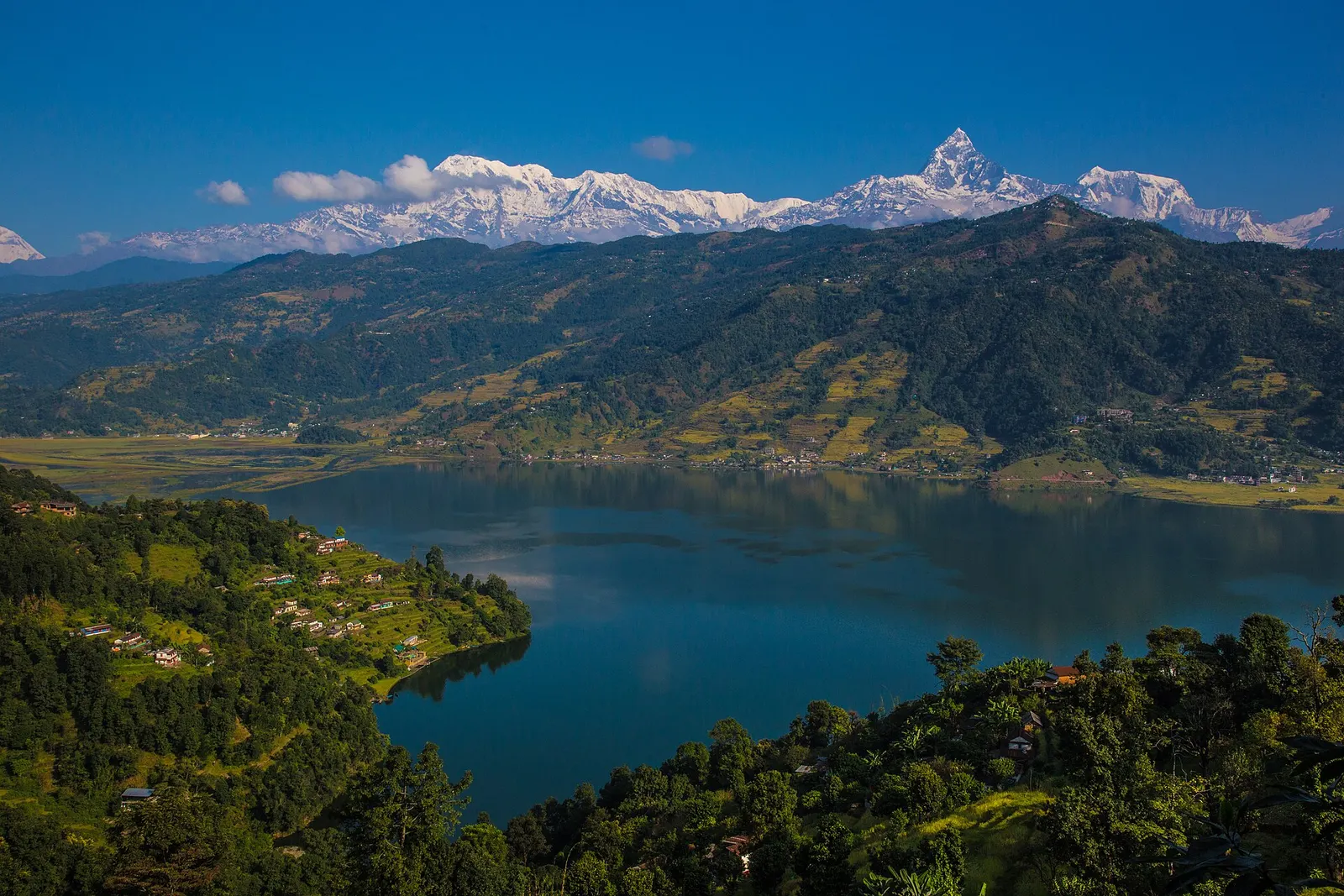
Pokhara
822 m, best Mar-May, Sep-Nov
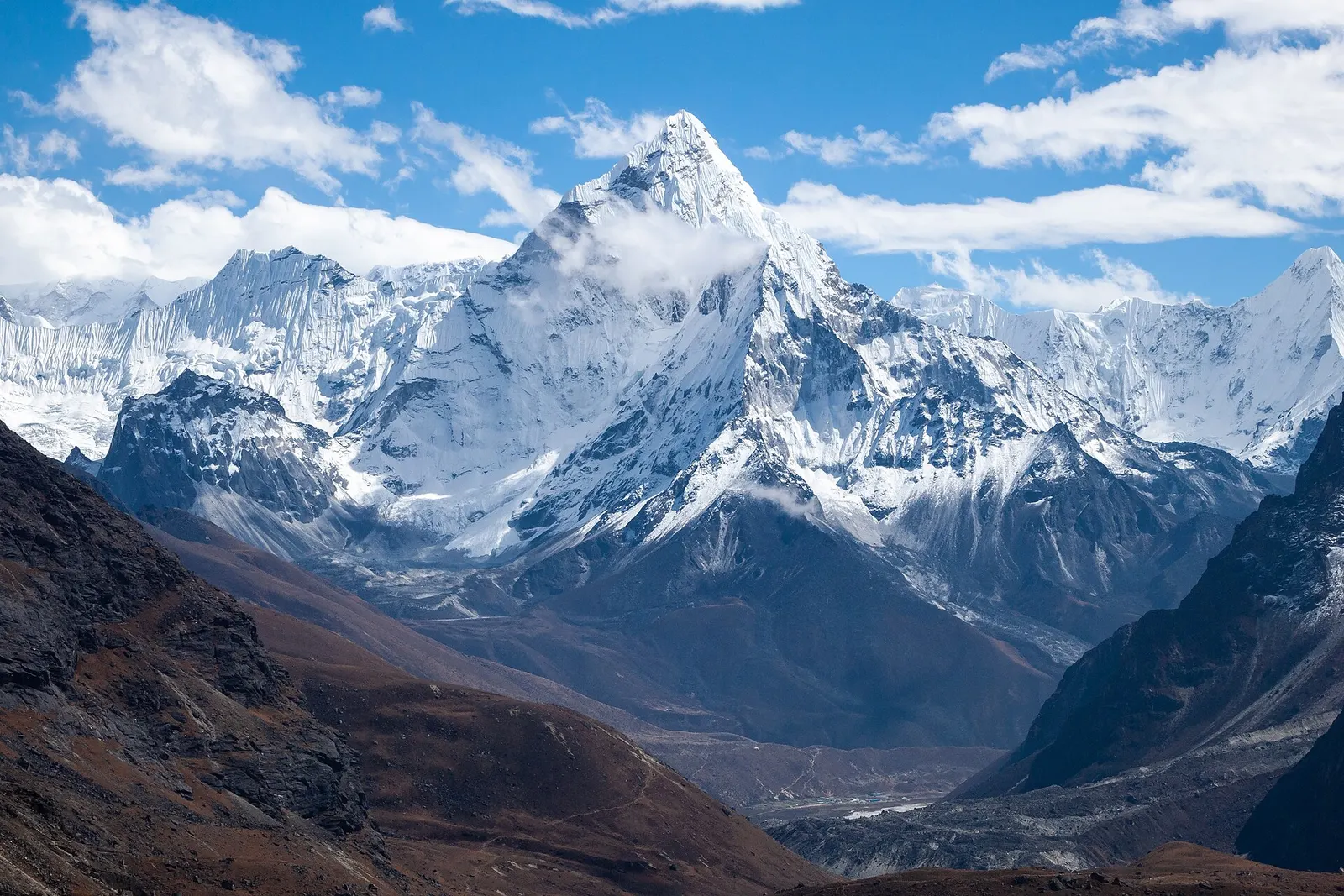
Everest Region
3,440 m, best Mar-May, Oct-Nov