

Valley or region
Palpa
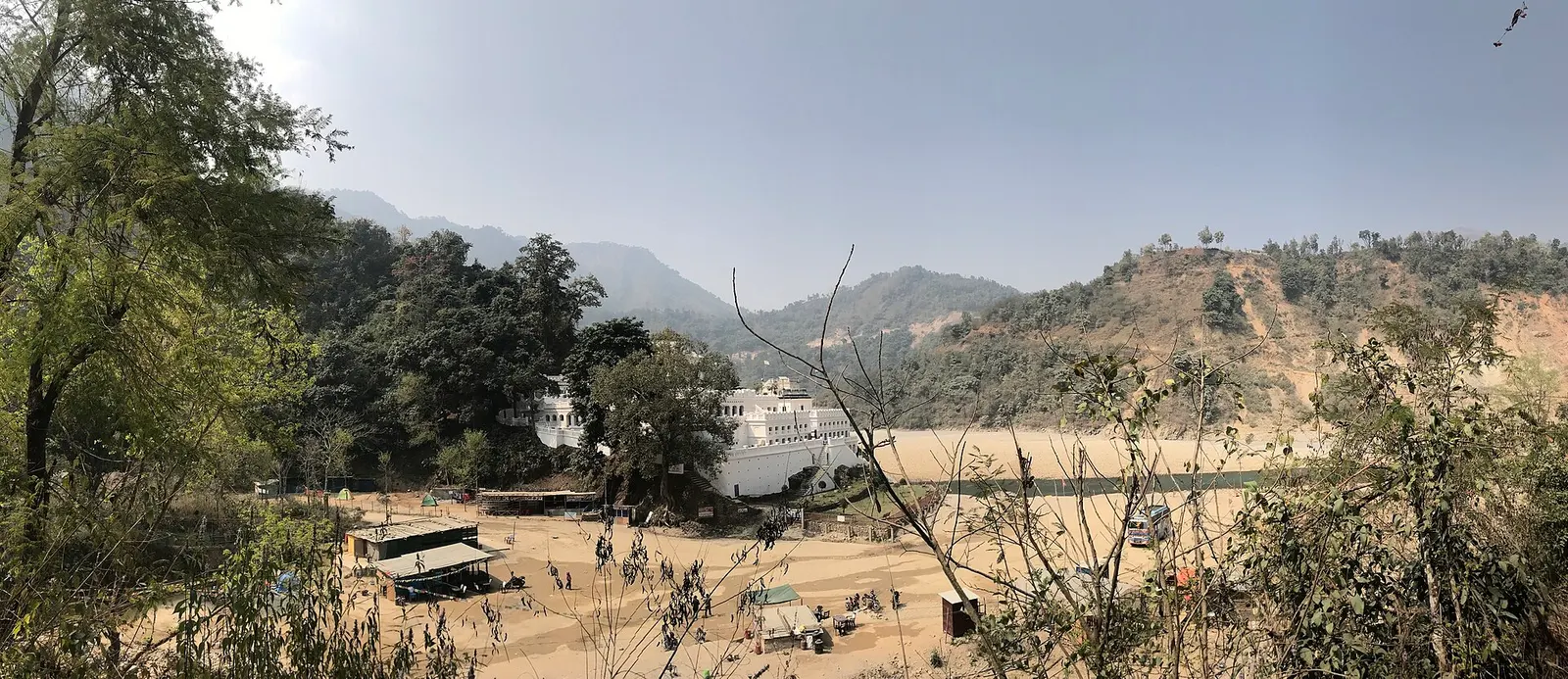
A hill district between Pokhara and the plains, home to the old bazaar town of Tansen, Magar villages and the Rani Mahal palace on the Kali Gandaki.
Chitwan & Teraiलुम्बिनी
The birthplace of the Buddha, set in a sacred garden ringed by monasteries.
This is Lumbini, the Buddha's birthplace in Rupandehi district, not Lumbini Province as a whole.
Lumbini, in Rupandehi district of the Terai plains, is where Buddhist tradition holds that Queen Maya Devi gave birth to Siddhartha Gautama, who became the Buddha. It is one of the four main pilgrimage sites linked to the Buddha's life and has been a UNESCO World Heritage property since 1997. The site lies about 20-25 km west of Siddharthanagar (Bhairahawa) and close to the Indian border.
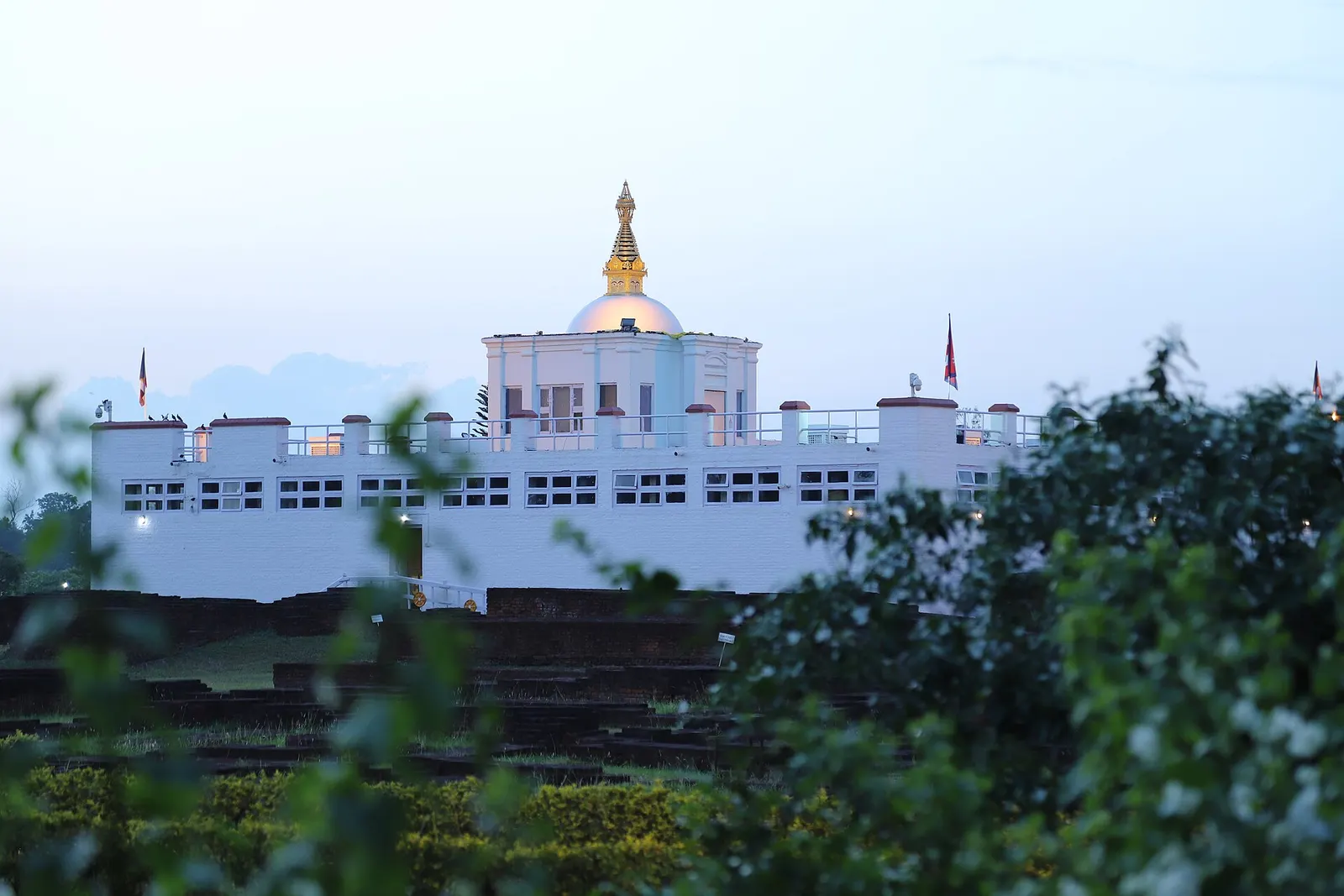
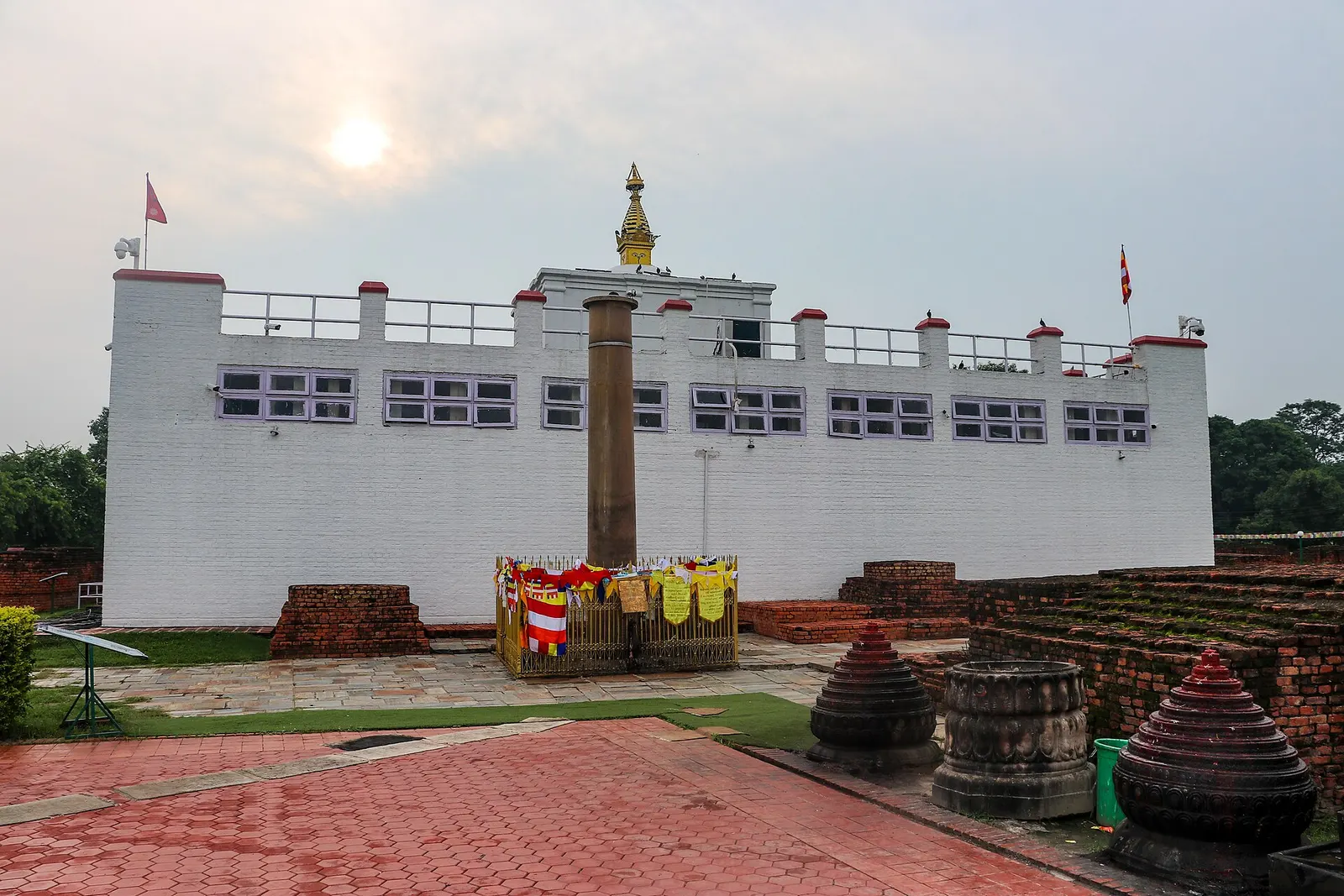
The heart of Lumbini is the Sacred Garden. Here the Maya Devi Temple, a white modern building, protects excavated brick foundations and a marker stone identified as the birth spot. Beside it stands the pillar erected by the Mauryan emperor Ashoka, whose Brahmi inscription records his visit and names the place as the Buddha's birthplace. The Puskarini pond, where Maya Devi is said to have bathed before the birth, a large bodhi tree hung with prayer flags, and the ruins of old stupas and monasteries surround it.
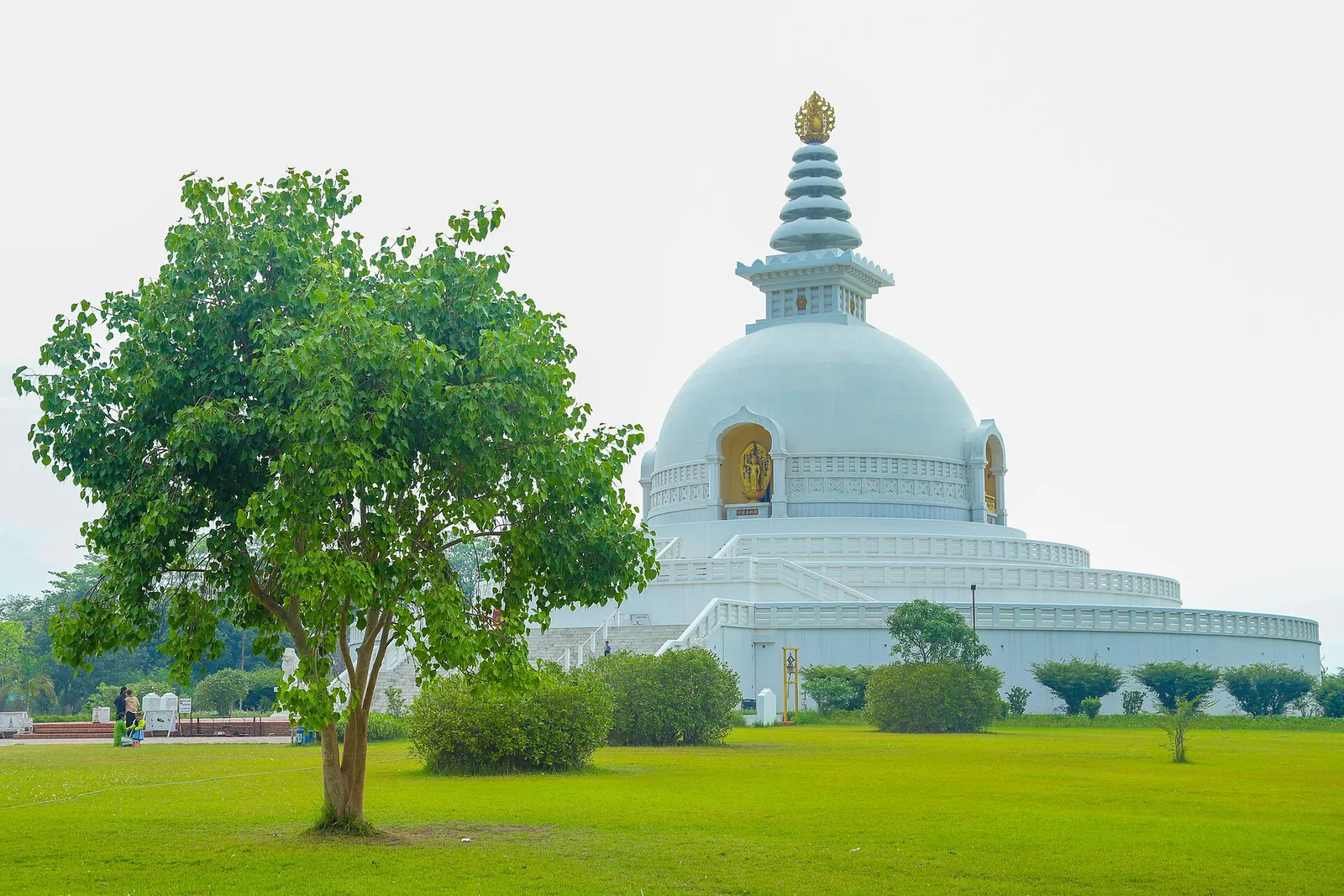
North of the garden stretches the master-planned monastic zone, about 4.8 km long and 1.6 km wide, divided by a long canal. Theravada monasteries stand in the eastern zone and Mahayana and Vajrayana monasteries in the western zone, built by Buddhist communities from countries such as Thailand, Myanmar, Sri Lanka, China, Japan, Korea, Germany and Vietnam. At the northern end are the white World Peace Pagoda, the Lumbini Museum and the Lumbini International Research Institute.
Distances are large and the plains are hot, so most visitors hire a bicycle, rickshaw or e-rickshaw and spend one or two days. Early morning and late afternoon are the best times, when pilgrims chant and meditate in the Sacred Garden.
The story
Queen Maya Devi, travelling to her family home, stopped to rest in a grove of sal trees at Lumbini. Holding a branch, she gave birth to a son. According to Buddhist texts, the child took seven steps, a lotus appearing under each, and declared this would be his last birth. The spot is marked inside the Maya Devi Temple, and the Ashoka Pillar beside it has recorded the event since the 3rd century BCE.
Buddhist texts place the birth in a grove called Lumbini, between the Shakya capital Kapilavastu and Devadaha, traditionally around the 6th or 5th century BCE. The emperor Ashoka visited in the 3rd century BCE and set up the inscribed pillar, which also records that he made the village of Lumbini free of tax. The Chinese pilgrims Faxian and Xuanzang described the site in the 5th and 7th centuries CE. Later the site fell into obscurity, and the pillar was rediscovered in 1896 by General Khadga Shamsher Rana and the archaeologist Alois Anton Führer, using the pilgrims' accounts. A later inscription near the top of the pillar is attributed to the medieval king Ripu Malla.
Modern Lumbini follows a master plan drawn up from the 1970s by the Japanese architect Kenzo Tange. Buddha Jayanti, the full moon of Baisakh (usually April or May), brings large numbers of pilgrims. Other sites linked to the Buddha's early life lie nearby, including Tilaurakot, identified by many with ancient Kapilavastu, about 25-30 km to the west, and the Ramagrama stupa to the east.
Cycle the monastic zonesBookable locally
Rent a bicycle near the main gate and ride between the monasteries built by different Buddhist countries. Allow half a day.
indicative, about NPR 500 a day for a bicycle
Meditation sessionFree
Several monasteries hold daily sitting sessions and some run longer courses. Ask at the monastery; most are donation-based. Respectful walk-ins are usually welcome.
Sacred Garden at dawnFree
Visit the Maya Devi Temple and the pond early in the morning, when pilgrims gather and the heat is lower.
Visit the Sacred Garden
See the Maya Devi Temple, the Ashoka pillar, the Puskarini pond and the excavated ruins, ideally early in the morning.
Cycle the monastic zone
Rent a bicycle or take a rickshaw along the canal to monasteries built in national styles, from Thai and Burmese to Tibetan and German.
See the World Peace Pagoda
Visit the large white stupa at the north end of the complex, especially at sunset.
Join a meditation session
Several monasteries and centres in Lumbini offer meditation courses or sessions; check arrangements in advance.
Day trip to Tilaurakot
Drive west to the ruins at Tilaurakot, linked with ancient Kapilavastu, roughly 1 hour each way.
Birdwatching
Look for sarus cranes in the wetlands and farmland around Lumbini, especially in winter.
Forecast for 150 m. Conditions change fast in the mountains.
Weather data: MET Norway, licensed CC BY 4.0. A forecast, not a guarantee.
Oct-Mar
Lumbini Bazaar, just south of the Sacred Garden, has guesthouses within walking or cycling distance. Some monasteries offer simple rooms to visitors; ask respectfully.
Hotels and guesthouses in Lumbini Bazaar and on the roads outside the complex; some monasteries offer simple pilgrim rooms; more hotels in Bhairahawa.
No partner stays are listed here yet. List a property.
Simple vegetarian kitchens near the monastic zones serve thali and dal bhat. Eating light suits the place and the heat. Try the milk-based sweets of the Terai in the bazaar.
Fly to Bhairahawa or take a bus to Bhairahawa or Butwal, then drive about 20-25 km to Lumbini.
Nearest hub: Siddharthanagar (Bhairahawa)
Entry fee
No permit is needed. Foreign visitors pay an entry fee for the Sacred Garden and Maya Devi Temple; check the current rate at the gate.
Verify before travel: permit rules and fees change. Checked 2026-10-06 against Lumbini, Wikivoyage.
Safety
From April to June daytime temperatures in the Terai often pass 40 C. Visit early and late in the day, carry water and cover your head. Dress modestly and remove shoes where asked.Fly to Bhairahawa in about 35-45 minutes and drive about 30-45 minutes, or take a bus of roughly 8-10 hours.
Foreign visitors pay an entry fee for the Sacred Garden and Maya Devi Temple. Check the current rate at the gate.
October to March, when it is dry and not too hot. April to June is very hot, though Buddha Jayanti in April or May is a major festival.
One full day covers the Sacred Garden and main monasteries; two days allows a slower visit and a trip to Tilaurakot.
Yes. 'Lumbini, the Birthplace of the Lord Buddha' was inscribed on the World Heritage List in 1997.
There is a fee for foreign visitors to enter the Maya Devi Temple area. Check the current amount at the gate.
Buddha Jayanti, the Buddha's birthday, falls on the full moon of the month of Baisakh, usually in April or May. Lumbini is busy with pilgrims then.
Valley or region
A hill district between Pokhara and the plains, home to the old bazaar town of Tansen, Magar villages and the Rani Mahal palace on the Kali Gandaki.
National park or conservation area
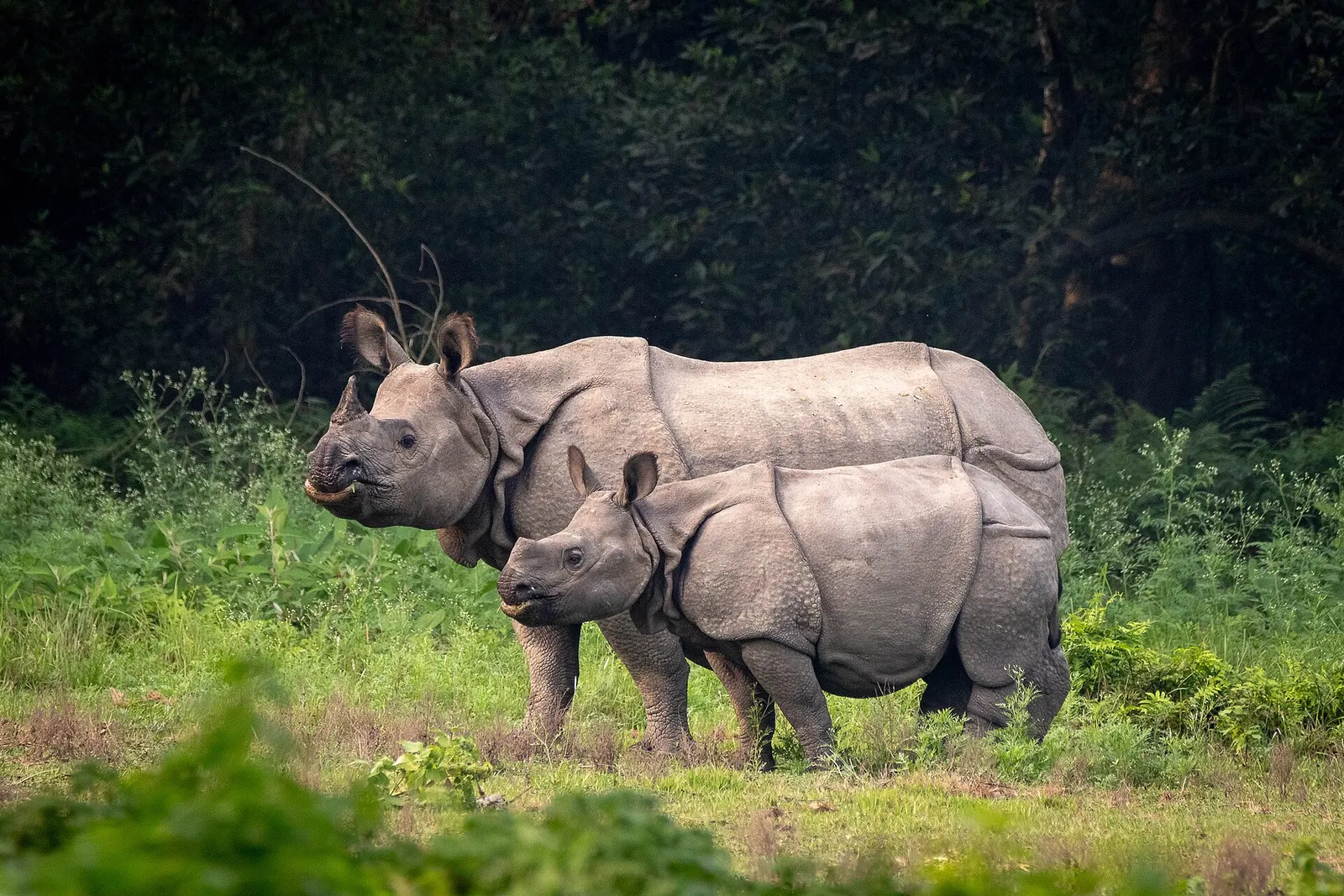
Nepal's first national park, in the inner Terai lowlands: sal forest, tall grassland and rivers home to one-horned rhinoceros, tigers and gharials.