Town or village
Beni
Myagdi's headquarters at the meeting of the Myagdi Khola and the Kali Gandaki, a junction for Mustang, Dhaulagiri and Tatopani.
Pokhara & Annapurnaगलेश्वर धाम
A riverside Shiva temple on the Kali Gandaki near Beni, linked in legend to the sage Galav.
Higher seasonal exposure: flooding (Jul-Aug).
Galeshwor Dham is a Hindu pilgrimage site on the bank of the Kali Gandaki a short way downstream from Beni, in Myagdi district. The main temple is dedicated to Shiva as Galeshwor, and the complex sits beside the river with ghats for bathing and cremation, smaller shrines and resting places for pilgrims. Steep forested hills close in on both sides, and the sound of the river fills the compound.
The site is especially busy on Shiva-related festivals and on auspicious days in the Hindu calendar, when pilgrims come from Myagdi, Baglung, Parbat and beyond to bathe in the Kali Gandaki and worship. At other times it is a peaceful stop for travellers on the road between Pokhara and Beni or on the way north to Tatopani and Mustang.
Because the Kali Gandaki carries saligram stones, ammonite fossils regarded as natural forms of Vishnu, the whole river valley holds religious meaning, and Galeshwor is one of a chain of holy places along it, with Muktinath far upstream. A visit takes an hour or two and combines easily with Beni.
According to local legend, the sage Galav, a figure from Hindu tradition, performed penance at this spot on the river, and the site and its Shiva lingam take their name from him. The temple has been rebuilt and extended over the years, and the present buildings are largely modern, set around older sacred points on the river bank.
Shivaratri and Maghe Sankranti are major days at Galeshwor, and many families travel here to perform rites for deceased relatives at the river. The site is managed by a local committee, and pilgrims often visit it together with the confluence at Beni.
Temple visit
Visit the main Galeshwor shrine and walk down to the ghats on the river.
Festival days
Come at Shivaratri or Maghe Sankranti to see the site at its busiest, accepting the crowds.
Combine with Beni
Pair the temple with a walk to the river confluence in Beni.
Conditions change fast in the mountains.
Weather data: MET Norway, licensed CC BY 4.0. A forecast, not a guarantee.
Feb-Apr, Oct-Dec
Most visitors stay in Beni or Baglung, which have simple hotels; pilgrim rest houses may be available at festival times.
No partner stays are listed here yet. List a property.
Galeshwor lies near the road between Baglung and Beni; reach it by road from Pokhara and continue a short way from Beni or Baglung.
Nearest hub: Pokhara
None needed
No permit is required to visit Galeshwor Dham.
Verify before travel: permit rules and fees change. Checked 2026-10-08 against Nepal Tourism Board.
What this place is typically exposed to, and when. These are seasonal patterns, not a report on conditions now.
Floodinghigh in a typical yearJul-Aug
The Kali Gandaki rises sharply in the monsoon; stay away from the ghats when the river is high.
Landslidesmoderate in a typical yearJun-Sep
Monsoon landslides affect the hill roads leading to Galeshwor from Pokhara and Baglung.
Check current conditions before you travel
Roads, trails, passes and flights change with the weather and with roadworks, and nothing on this page describes conditions today. Before you set off, check the Department of Hydrology and Meteorology for weather and flood warnings, the Nepal Disaster Risk Reduction Portal for incidents, and the local authority, police or your licensed operator for road, trail and flight status.
On the bank of the Kali Gandaki in Myagdi district, a short distance from Beni.
Shiva, in the form of Galeshwor, named after the sage Galav who is said to have meditated here.
October to April for comfortable weather; Shivaratri and Maghe Sankranti for the festivals.
Town or village
Myagdi's headquarters at the meeting of the Myagdi Khola and the Kali Gandaki, a junction for Mustang, Dhaulagiri and Tatopani.
Town or village
District headquarters on a broad terrace above the Kali Gandaki, known for its Kalika temple and pedestrian suspension bridges.
Temple, monastery or heritage site
A revered Kalika shrine in a grove of trees at the edge of Baglung bazaar, busiest during Dashain.
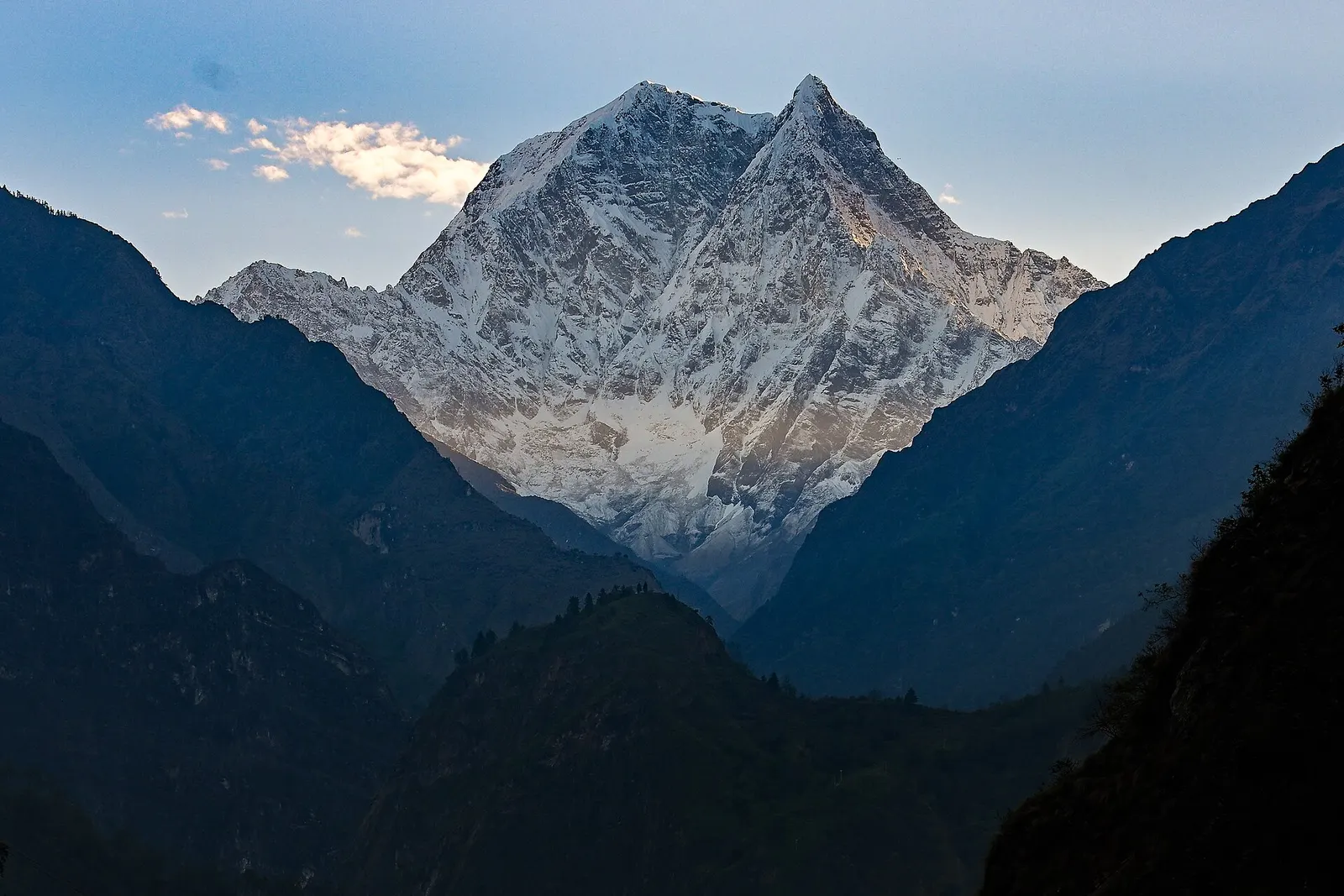
Trek stop · 1,200 m
A warm, low-lying village beside the Kali Gandaki, known for the hot springs by the river and as the junction for the climb to Ghorepani.