
Town or village · 1,400 m
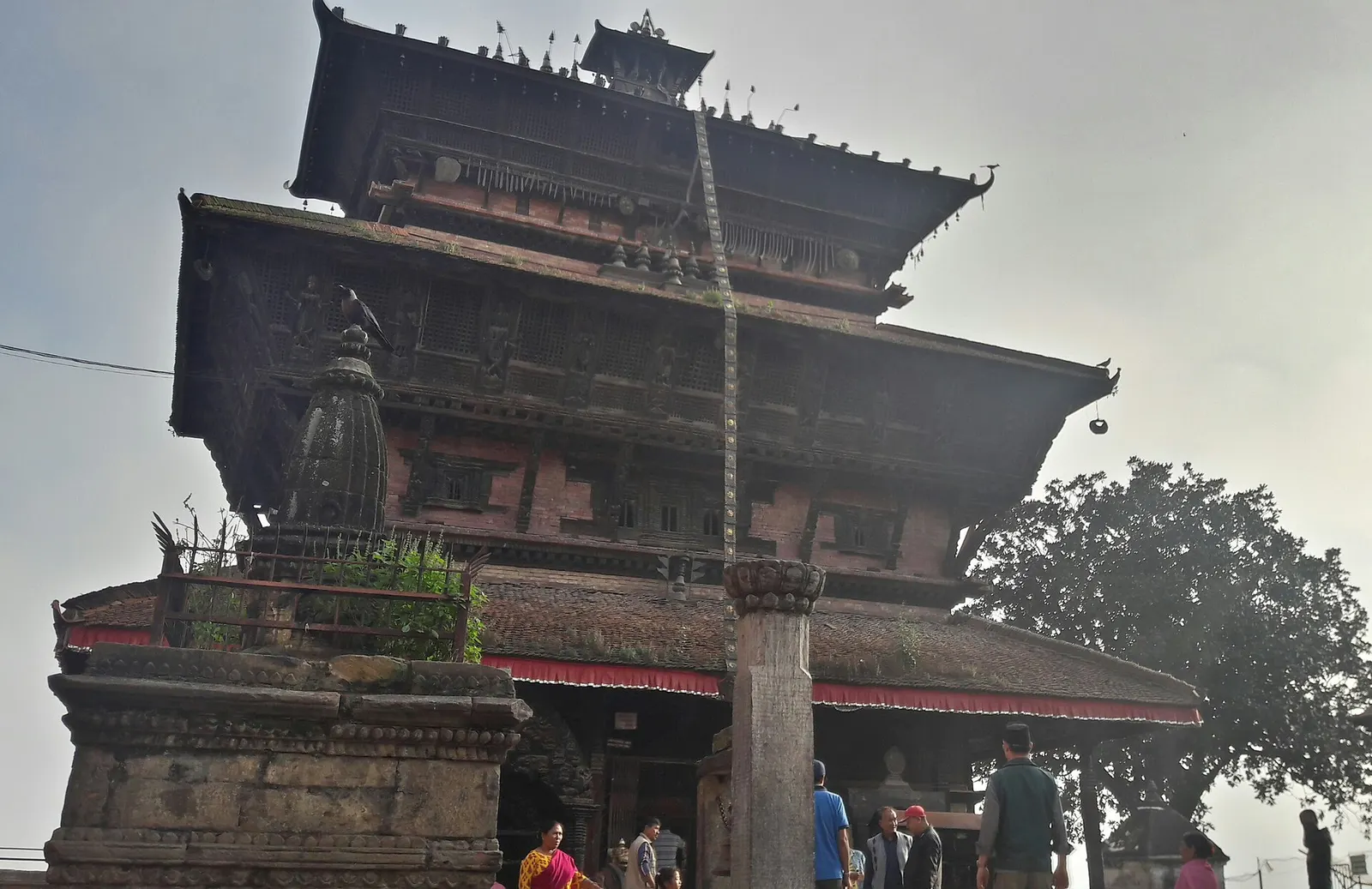
Kirtipur
An old Newar hill town on Kathmandu's south-western edge, with temples, valley views and a dramatic history of resistance.
Kathmanduपशुपतिनाथ मन्दिर
Nepal's most important Hindu temple, dedicated to Shiva as Pashupati, on the banks of the Bagmati river in eastern Kathmandu.
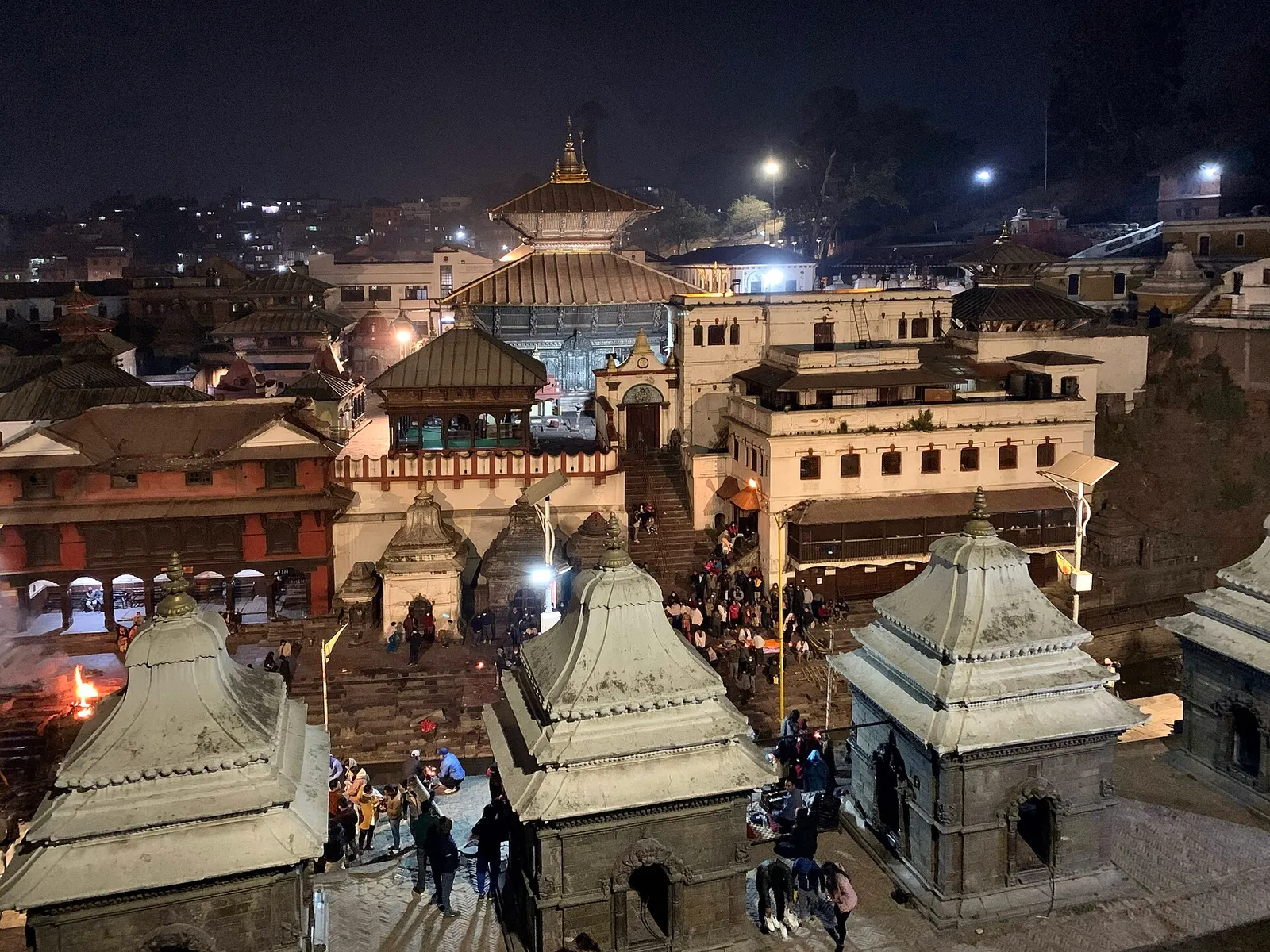
Pashupatinath is a large complex of temples, shrines, ghats and ashrams spread along both banks of the Bagmati river in eastern Kathmandu, a few kilometres from the airport. At its heart is a two-tiered pagoda temple with gilded roofs and silver-plated doors, housing the lingam of Shiva as Pashupati, lord of all living beings. Hindus from across Nepal and India come here to worship, and many hope to be cremated on its riverbanks.
Entry to the main temple courtyard is restricted to Hindus, and guards at the gates enforce this. Other visitors see the temple from the terraces of small stone shrines on the east bank, opposite the cremation ghats, and can walk freely through the wider complex: the lingam shrines on the hillside, the forest of Mrigasthali behind, the Guhyeshwari temple about 1 km upstream, and the many smaller temples, about 500 in all according to the site's own count.
The open-air cremations at Arya Ghat are the most striking and sensitive part of a visit. Families carry the dead to the river, wash the body and burn it on wood pyres, often with the eldest son leading the rites. Watch from the far bank, quietly and at a distance, and do not photograph mourners. Each evening a sung aarti with lamps and bells takes place on the riverbank, drawing crowds of devotees. Boudhanath is about 2-3 km to the north-east, and many visitors walk between the two.
The temple's origins are ancient and partly legendary: one story tells of a cow that showered milk on a spot where the lingam was later found. Written records place a temple here by the 5th century, and the present main temple was renovated in 1692 after earlier structures were damaged by termites and earthquakes. The complex covers about 246 hectares and includes a Vaishnava temple group, a 14th-century Rama temple and Guhyeshwari, a shrine to the goddess mentioned in an 11th-century manuscript. The temple's chief priests have traditionally been Bhatta Brahmins from South India, a custom attributed to the medieval Malla kings.
Pashupatinath is the focus of Maha Shivaratri in February or March, when tens of thousands of pilgrims and sadhus from Nepal and India gather for the night of Shiva. Women gather here in large numbers during Teej in late summer, dressed in red, to fast and pray. For Vajrayana Buddhists the cremation ground is also sacred, counted among the eight great charnel grounds where Padmasambhava is said to have meditated.
Watch the evening aarti
Arrive before dusk to find a place on the eastern terraces for the sung lamp ceremony beside the river.
Walk up to Guhyeshwari
Follow the river path about 1 km upstream to the goddess temple, passing through quieter parts of the complex.
Explore Mrigasthali forest
Climb the stairs behind the shrines into the wooded hill, home to monkeys and small temples.
Walk on to Boudhanath
Continue about 2-3 km north-east through residential lanes to the great stupa, roughly 30-45 minutes.
Forecast for 1,310 m. Conditions change fast in the mountains.
Weather data: MET Norway, licensed CC BY 4.0. A forecast, not a guarantee.
Feb-Mar, Oct-Nov
Most visitors stay in Thamel or Boudha; Boudha is the nearest area with a good range of guesthouses.
No partner stays are listed here yet. List a property.
Pashupatinath is in eastern Kathmandu, about 4-5 km from Thamel and close to Tribhuvan International Airport.
Nearest hub: Kathmandu
Nearest hub: Kathmandu. Times are typical ranges, not schedules, and vary with roadworks, weather and the season.
By busfrom Kathmanduabout 0.4-0.8 hLocal buses
Local buses and microbuses towards Gaushala or Chabahil stop within a few minutes' walk of the eastern gate.
When to set off: arrive soon after dawn for the morning rituals, before the mid-morning crowds
By car or jeepfrom Kathmanduabout 0.25-0.5 h
About 4 to 5 km east of Thamel and close to the airport; taxis use either the Gaushala side or the main western gate.
Road: Sealed city roads throughout; allow generous extra time at peak commuting hours.
By motorbikefrom Kathmanduabout 0.2-0.5 hEasy riding
Short sealed run east; paid parking sits outside both gates.
Road: Sealed city roads throughout; allow generous extra time at peak commuting hours.
On footfrom Boudhanathabout 0.5-0.8 h30-45 minutes from Boudhanath, about 2 to 3 km, mostly downhill
South-west through residential lanes from the stupa.
Entry fee
Foreign visitors pay an entry fee to enter the Pashupati monument zone. Non-Hindus may not enter the main temple courtyard.
Verify before travel: permit rules and fees change. Checked 2026-10-06 against Pashupatinath Temple, Wikipedia.
What this place is typically exposed to, and when. These are seasonal patterns, not a report on conditions now.
Floodingmoderate in a typical yearJun-Sep
The temple complex lines the Bagmati, and the river runs high and dirty between June and September; the record late-September 2024 rain pushed the Bagmati about two metres above its safe level through the city.
Othermoderate in a typical yearDec-Apr
Dry-season dust and haze are a normal feature of the Kathmandu valley, where measured PM2.5 has run several times the WHO guideline level. Visitors prone to asthma usually do better on early mornings and after rain.
Road blockageslow in a typical yearJun-Sep
About two thirds of the valley's rain falls between June and September, and sustained downpours typically waterlog junctions and slow valley roads, so short cross-city journeys can take much longer than planned.
Coldlow in a typical yearDec-Feb
Valley nights from December to February typically fall to around freezing, with morning fog burning off by mid-morning, and few buildings have heating.
Check current conditions before you travel
Roads, trails, passes and flights change with the weather and with roadworks, and nothing on this page describes conditions today. Before you set off, check the Department of Hydrology and Meteorology for weather and flood warnings, the Nepal Disaster Risk Reduction Portal for incidents, and the local authority, police or your licensed operator for road, trail and flight status.
Non-Hindus cannot enter the main temple courtyard, but they can visit the rest of the complex and view the temple from across the Bagmati river.
Watching quietly from the east bank is accepted, but do not photograph mourners or approach the ghats.
The aarti is held every evening around dusk on the riverbank. Timing shifts with the seasons, so arrive a little before sunset.
Walk about 2-3 km north-east through residential lanes in 30-45 minutes, or take a short taxi ride.
Town or village · 1,400 m
An old Newar hill town on Kathmandu's south-western edge, with temples, valley views and a dramatic history of resistance.
Town or village · 1,570 m
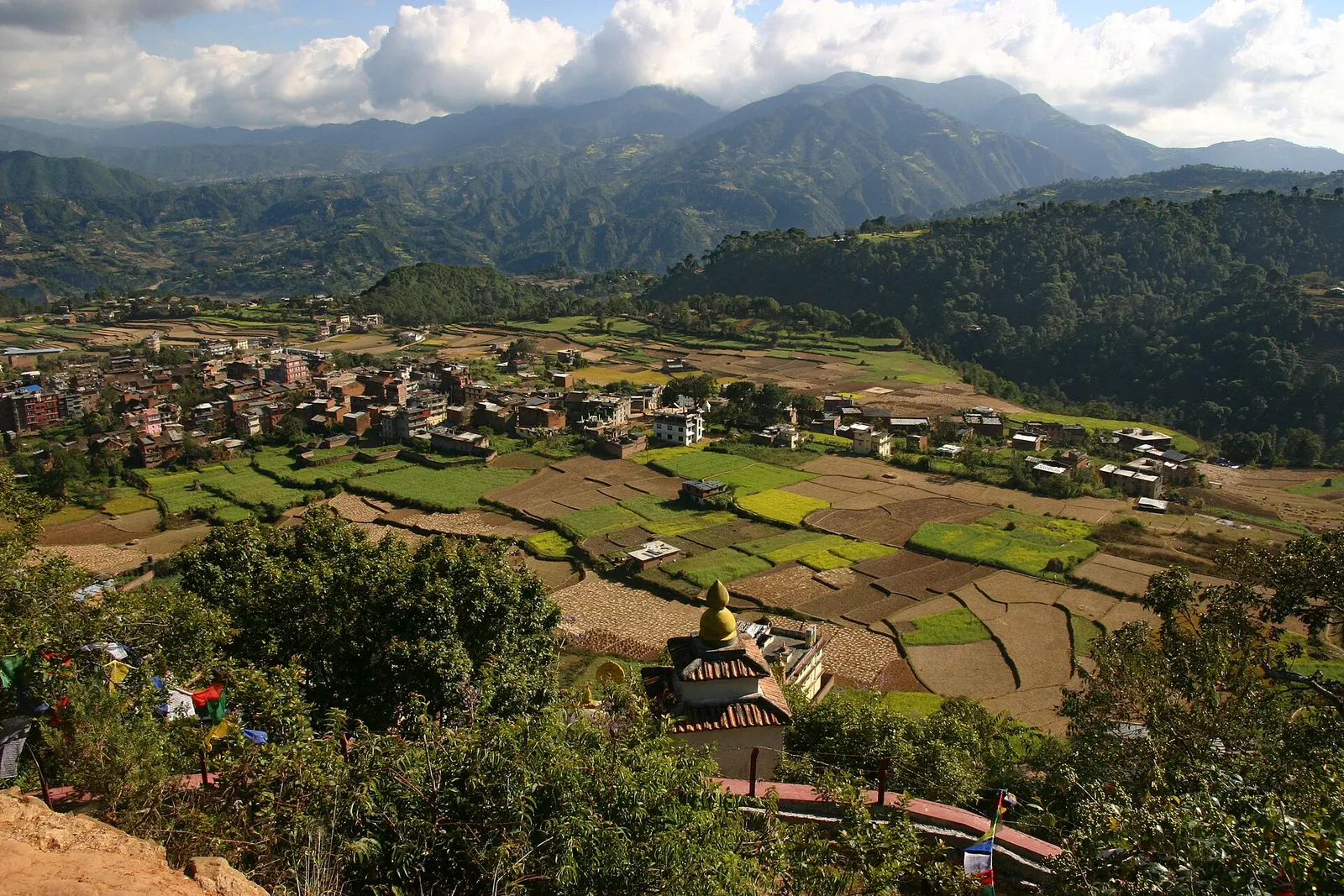
A small Newar town on the southern rim of the Kathmandu Valley, sacred to Vajrayana Buddhists for Guru Rinpoche's meditation caves.
Town or village · 1,320 m
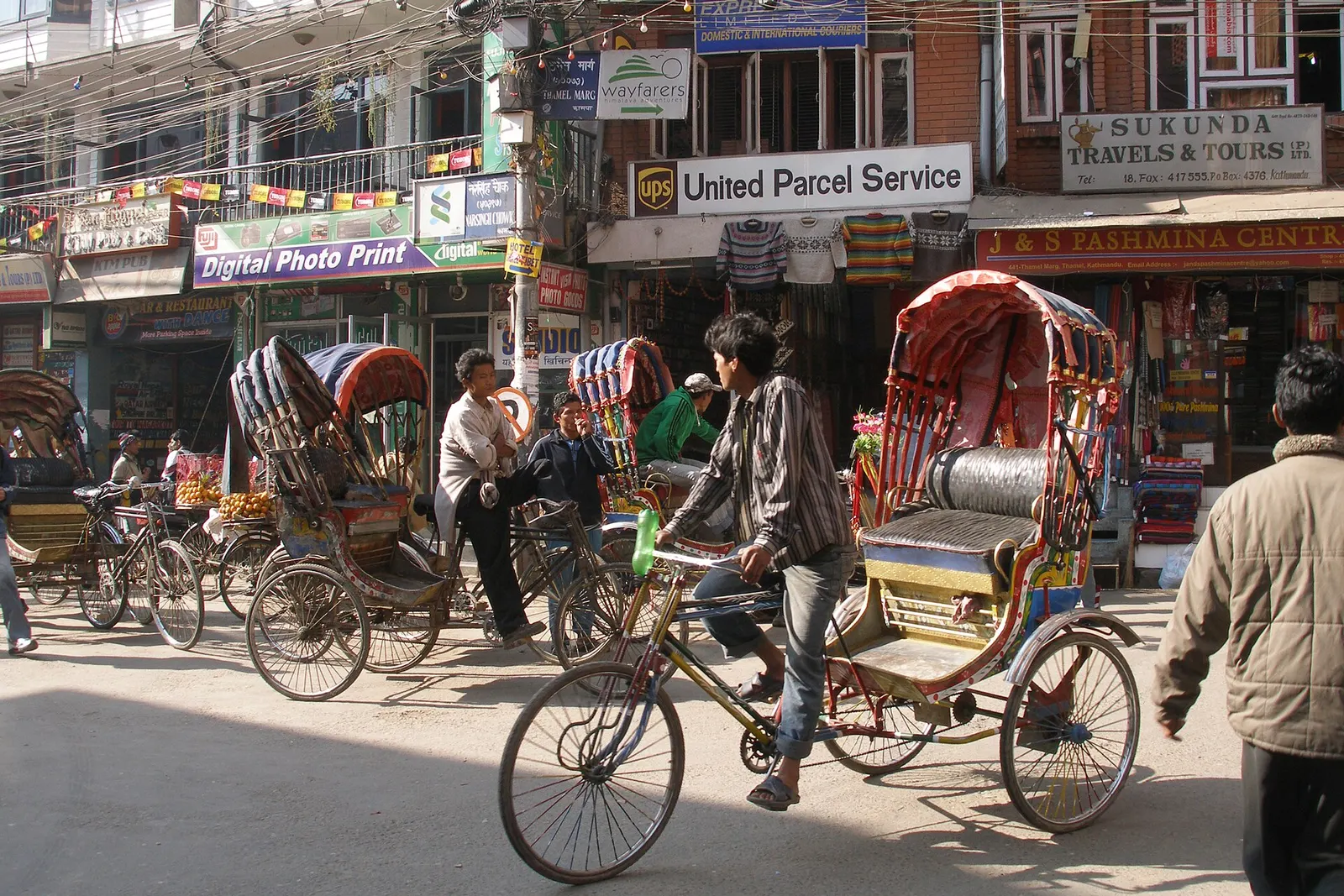
Kathmandu's traveller quarter of narrow lanes, guesthouses, trekking shops and cafes, a short walk north of the old city.
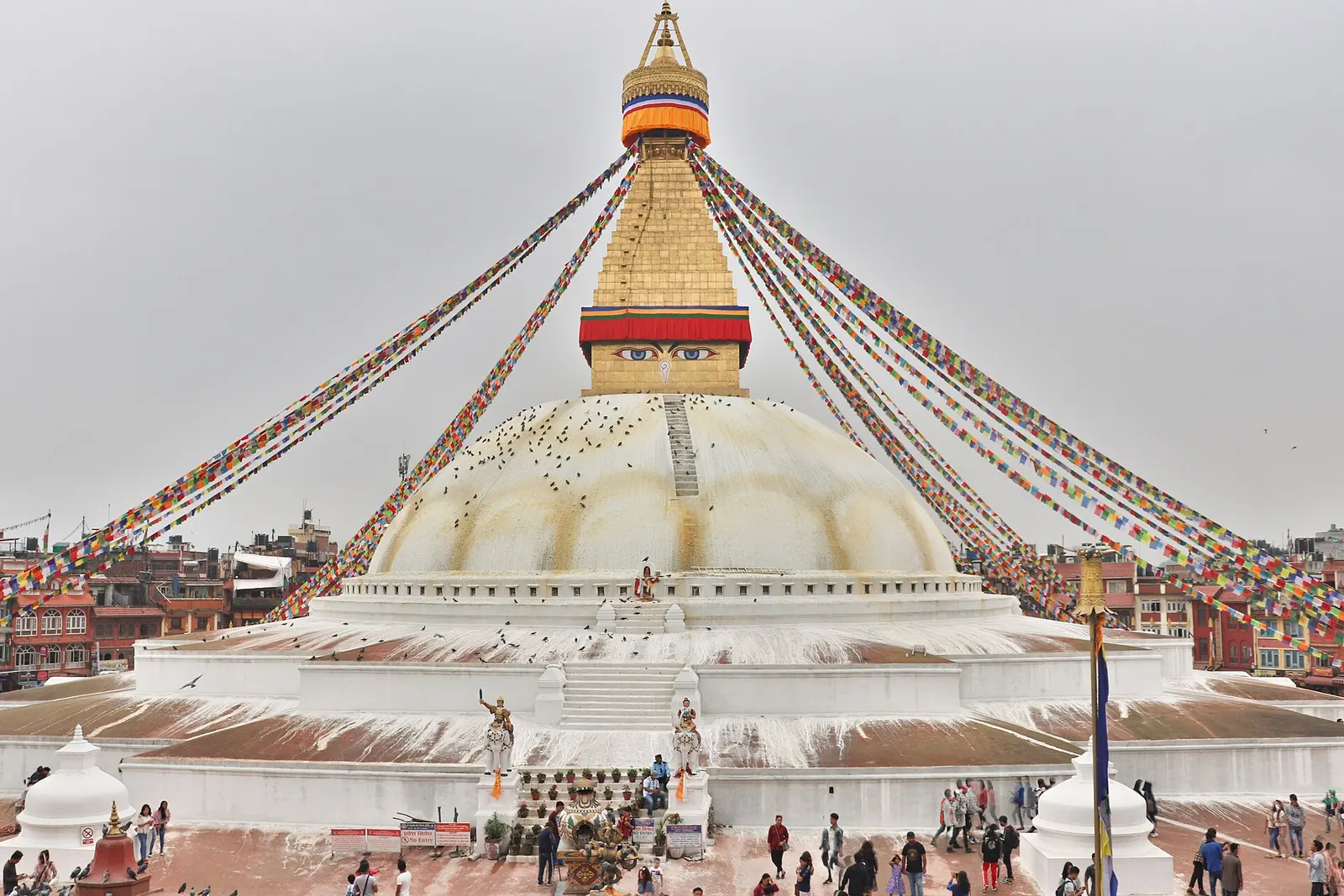
Temple, monastery or heritage site · 1,340 m
The great white stupa of north-east Kathmandu, centre of the valley's Tibetan Buddhist community and its many monasteries.
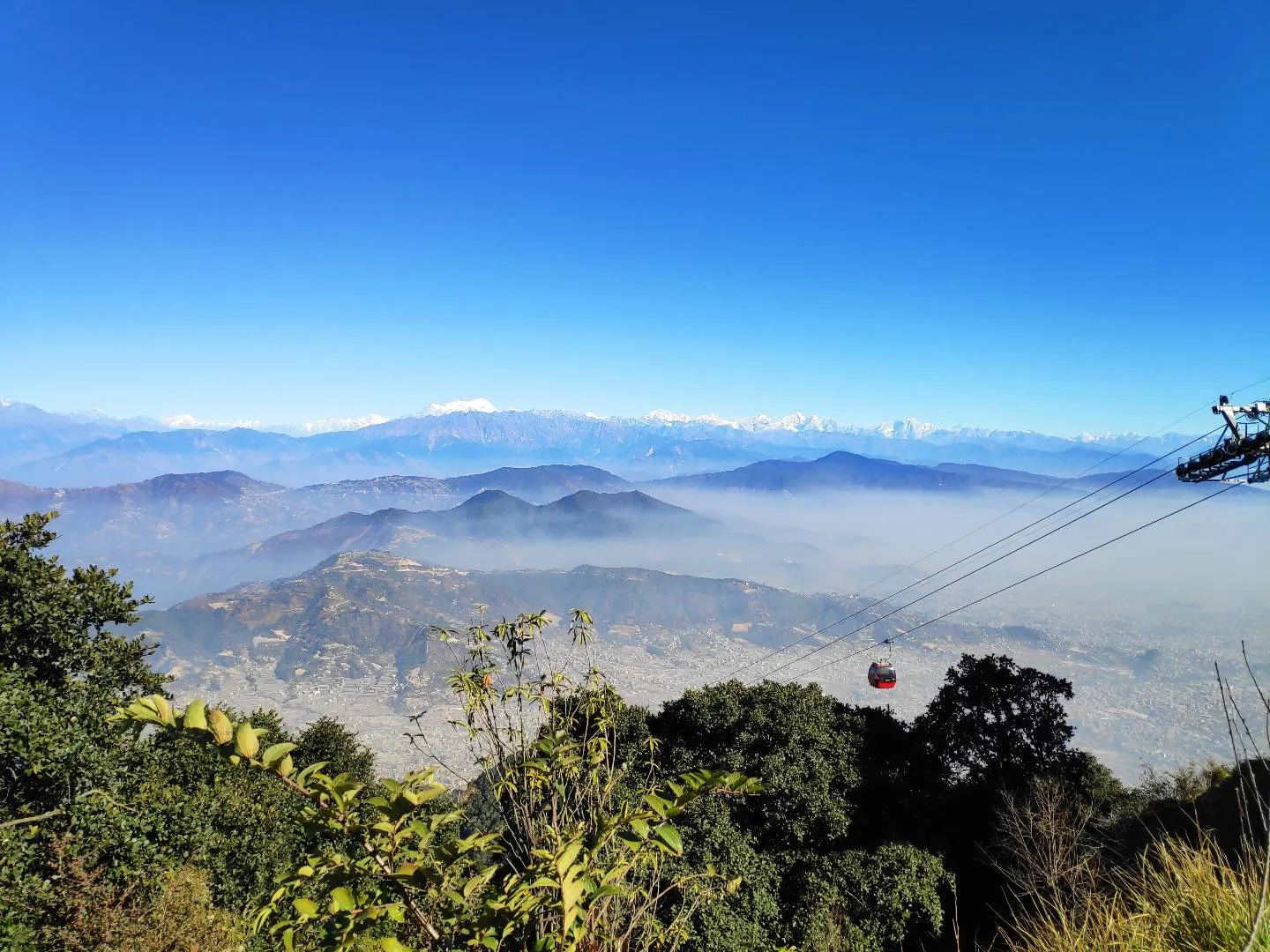
Viewpoint · 2,551 m
A hill on the Kathmandu Valley's south-western rim, reached by cable car, with a Shiva temple and wide Himalayan views.
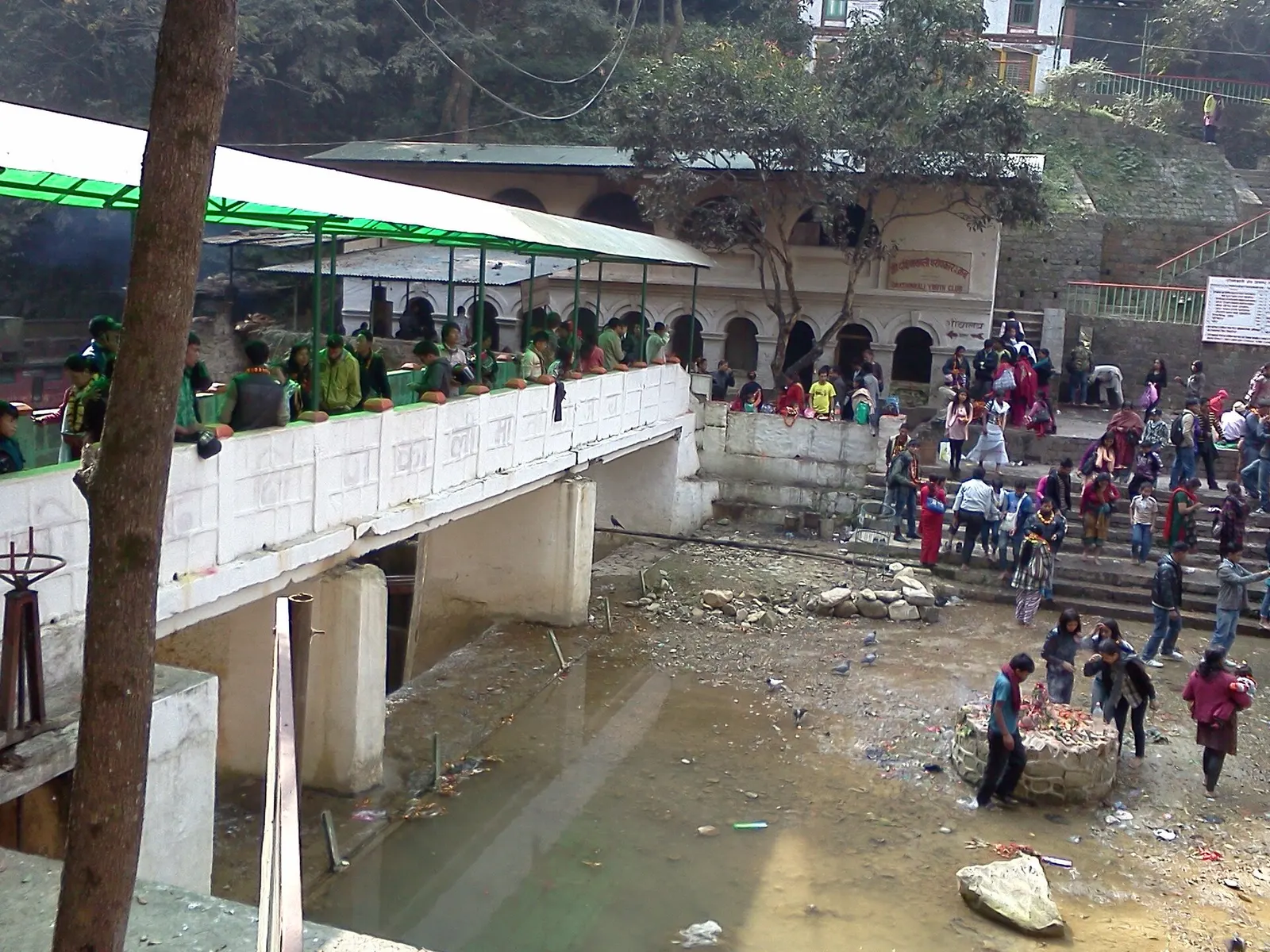
Temple, monastery or heritage site · 1,480 m
A Hindu temple to the goddess Kali in a forested gorge south of Pharping, known for its Tuesday and Saturday animal sacrifices.
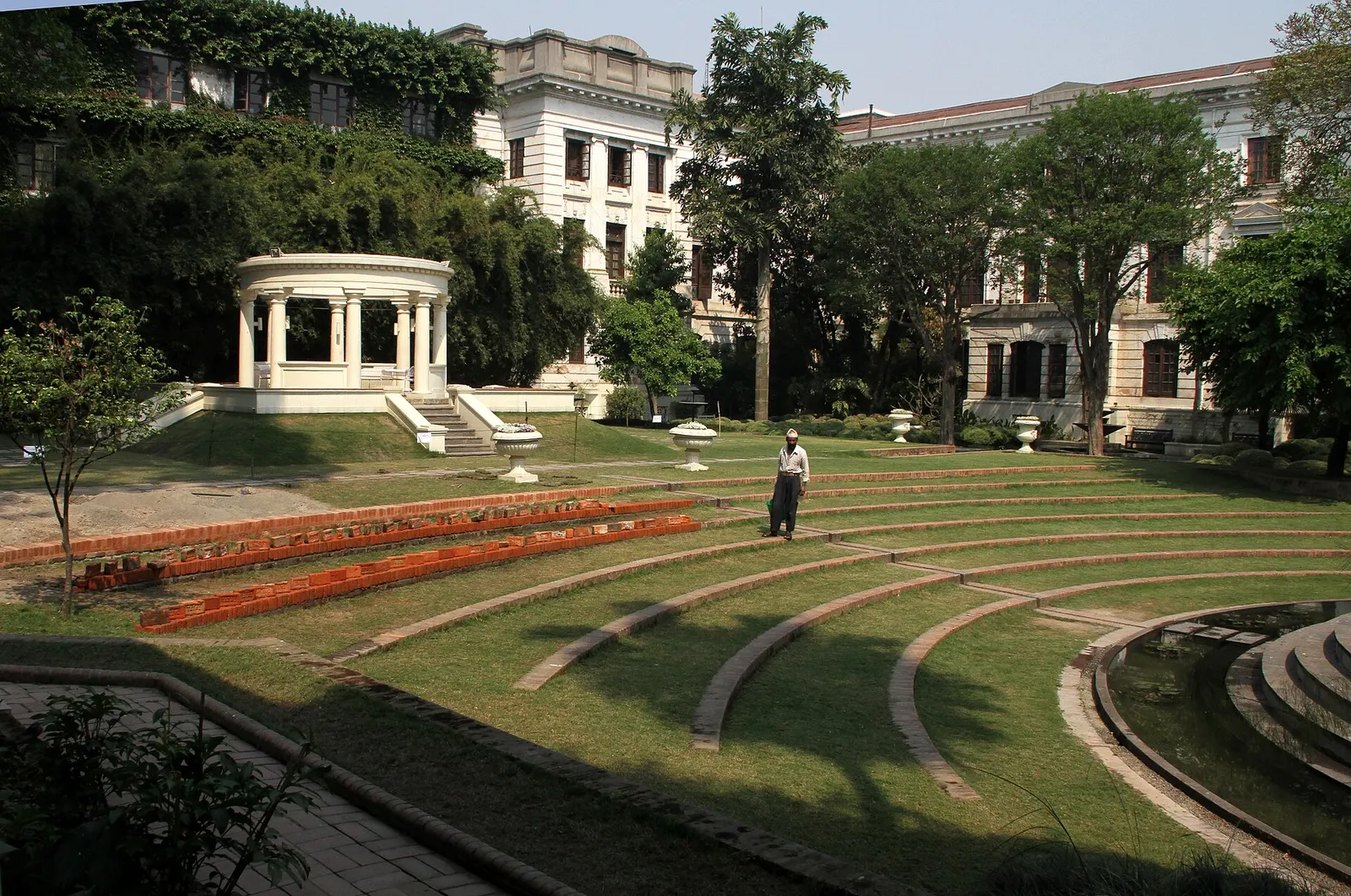
Temple, monastery or heritage site · 1,320 m
A restored 1920s Rana-era garden of pavilions, ponds and lawns at the edge of Thamel.
Viewpoint · 2,030 m
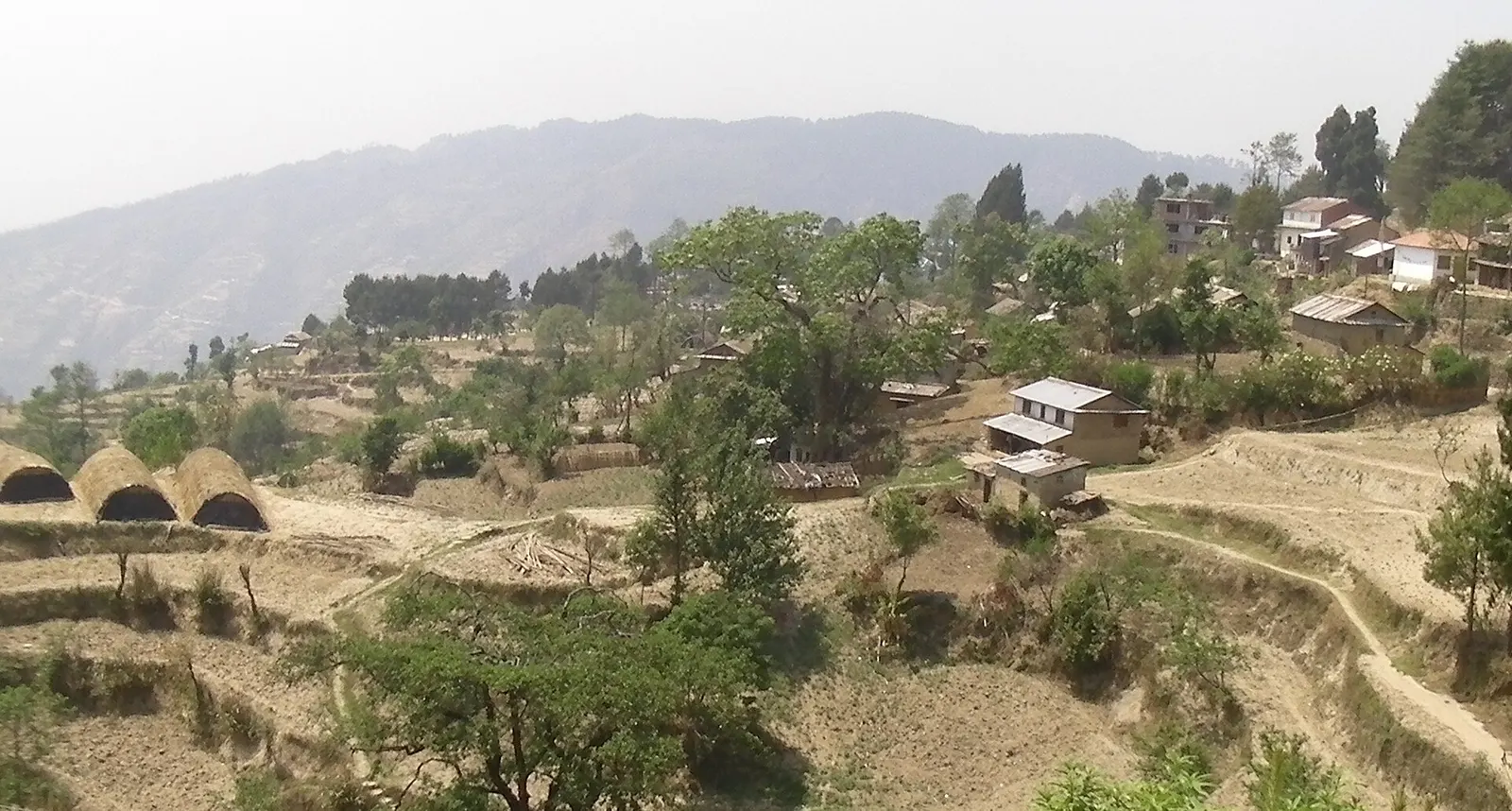
A quiet hill station just outside the Kathmandu Valley in Nuwakot, with Himalayan views, strawberry farms and memorial parks.
Town or village · 1,400 m
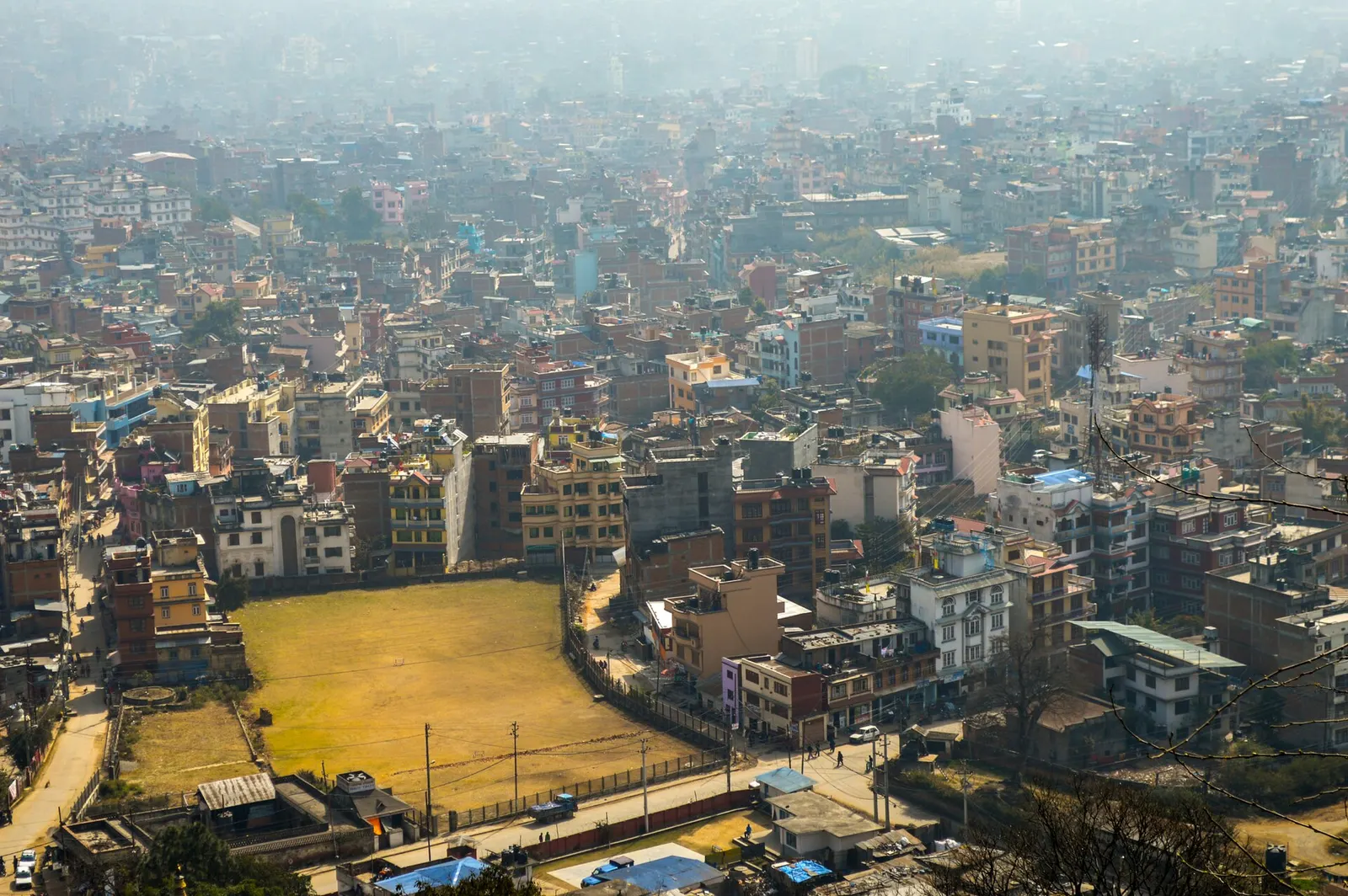
Nepal's capital, a sprawling valley city wrapped around a medieval Newar core, with major Hindu and Buddhist sites and the country's main airport.