Town or village · 1,350 m
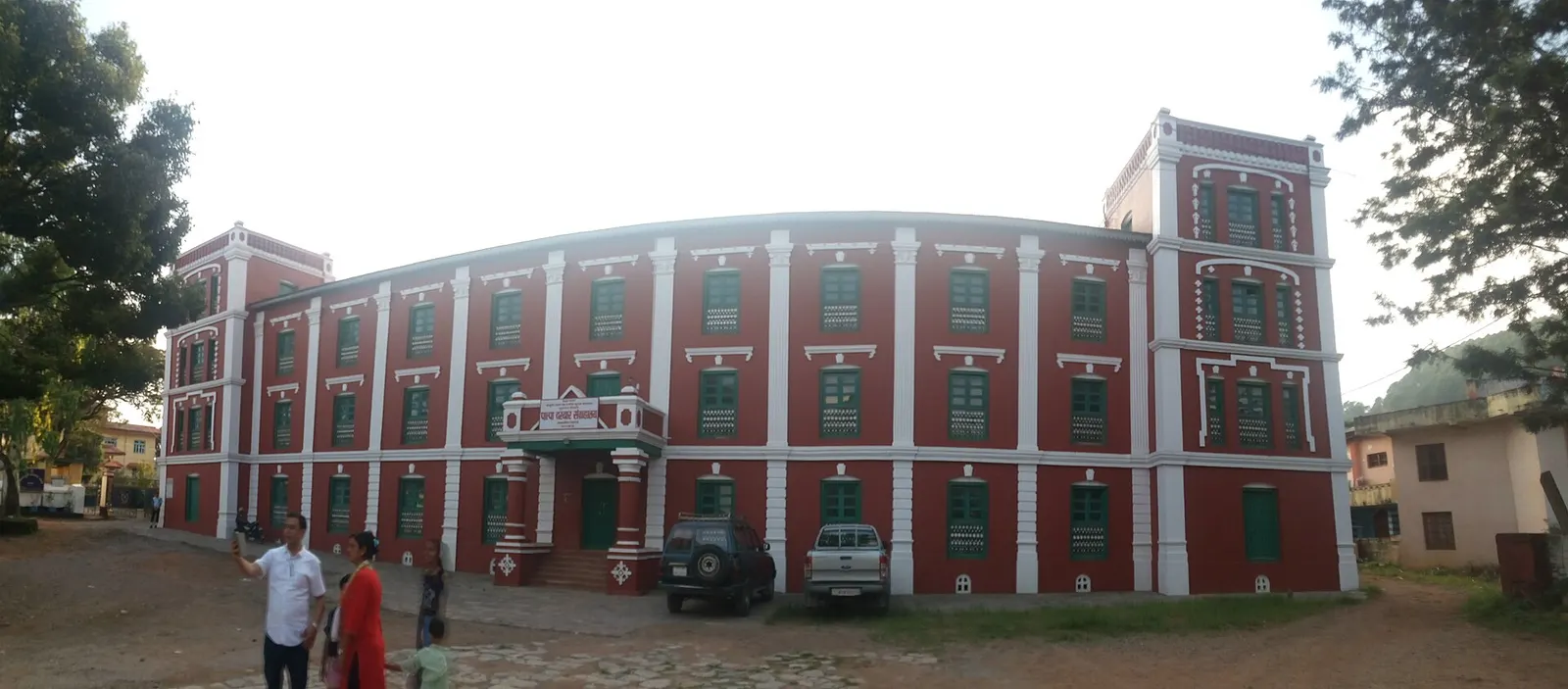
Tansen
The old hill bazaar of Palpa district, with steep Newar lanes, Rana-era buildings and a Himalayan viewpoint above the town.
Chitwan & Teraiरिडी बजार
An old riverside pilgrimage town on the Kali Gandaki, famous for its Rishikesh temple and winter fair.
Higher seasonal exposure: flooding (Jun-Sep).
Ridi Bazaar is a small historic town on the banks of the Kali Gandaki river where Gulmi meets Palpa and Syangja districts. It is one of the holiest places on the Kali Gandaki, a river revered across Nepal, and the area is known in religious texts and local tradition as Ruru Kshetra.
The heart of the town is the Rishikesh temple, dedicated to a form of Vishnu, beside the river at the confluence of the Ridi Khola with the Kali Gandaki. Pilgrims bathe at the ghats, perform rites for their ancestors and look for shaligram, the black fossil stones that are sacred to Vishnu and found along the Kali Gandaki.
The old bazaar has narrow lanes and traditional houses built by traders, and it keeps a quiet, faded charm outside the festival season. It makes an interesting stop on the road between Tansen and Gulmi.
Tradition credits a ruler of the Palpa kingdom with building the Rishikesh temple, and Ridi grew as a pilgrimage and trading centre on the routes between the hills and the plains. Newar merchants settled here and built the bazaar, whose architecture recalls the trading towns of the Kathmandu Valley.
Ridi's biggest event is the fair held around Makar Sankranti, known in Nepal as Maghe Sankranti, in mid-January, when large numbers of pilgrims come to bathe in the river. Funeral and memorial rites on the riverbank are also important, and many families travel to Ridi to perform shraddha for their ancestors. The river itself is treated as sacred along its whole length.
Visit the Rishikesh temple
See the main temple and the smaller shrines along the riverbank.
Walk the ghats
Watch pilgrims bathing and performing rites at the confluence, especially in the morning.
Explore the old bazaar
Wander through the narrow lanes of traditional trading houses.
Attend Maghe Sankranti
Visit in mid-January for the largest fair of the year; expect crowds.
Conditions change fast in the mountains.
Weather data: MET Norway, licensed CC BY 4.0. A forecast, not a guarantee.
Oct-Mar
Simple guesthouses in the bazaar; Tansen has a wider choice.
No partner stays are listed here yet. List a property.
Ridi is reached by road from Tansen in Palpa, or from Tamghas in Gulmi.
Nearest hub: Tansen
None needed
No permit is needed. Offerings are voluntary.
Verify before travel: permit rules and fees change. Checked 2026-10-08 against Gulmi District, Wikipedia.
What this place is typically exposed to, and when. These are seasonal patterns, not a report on conditions now.
Floodinghigh in a typical yearJun-Sep
The Kali Gandaki rises sharply in the monsoon; keep away from the riverbanks and ghats when water is high.
Landslidesmoderate in a typical yearJun-Sep
Hill roads down to Ridi are exposed to landslides in the monsoon.
Heatmoderate in a typical yearApr-Jun
The low river valley can be hot and humid in late spring.
Check current conditions before you travel
Roads, trails, passes and flights change with the weather and with roadworks, and nothing on this page describes conditions today. Before you set off, check the Department of Hydrology and Meteorology for weather and flood warnings, the Nepal Disaster Risk Reduction Portal for incidents, and the local authority, police or your licensed operator for road, trail and flight status.
On the Kali Gandaki river in Gulmi district, where it meets Palpa and Syangja.
It is a holy confluence on the Kali Gandaki, home to the Rishikesh temple and known as Ruru Kshetra.
Around Maghe Sankranti in mid-January, when pilgrims gather to bathe.
Town or village · 1,350 m
The old hill bazaar of Palpa district, with steep Newar lanes, Rana-era buildings and a Himalayan viewpoint above the town.
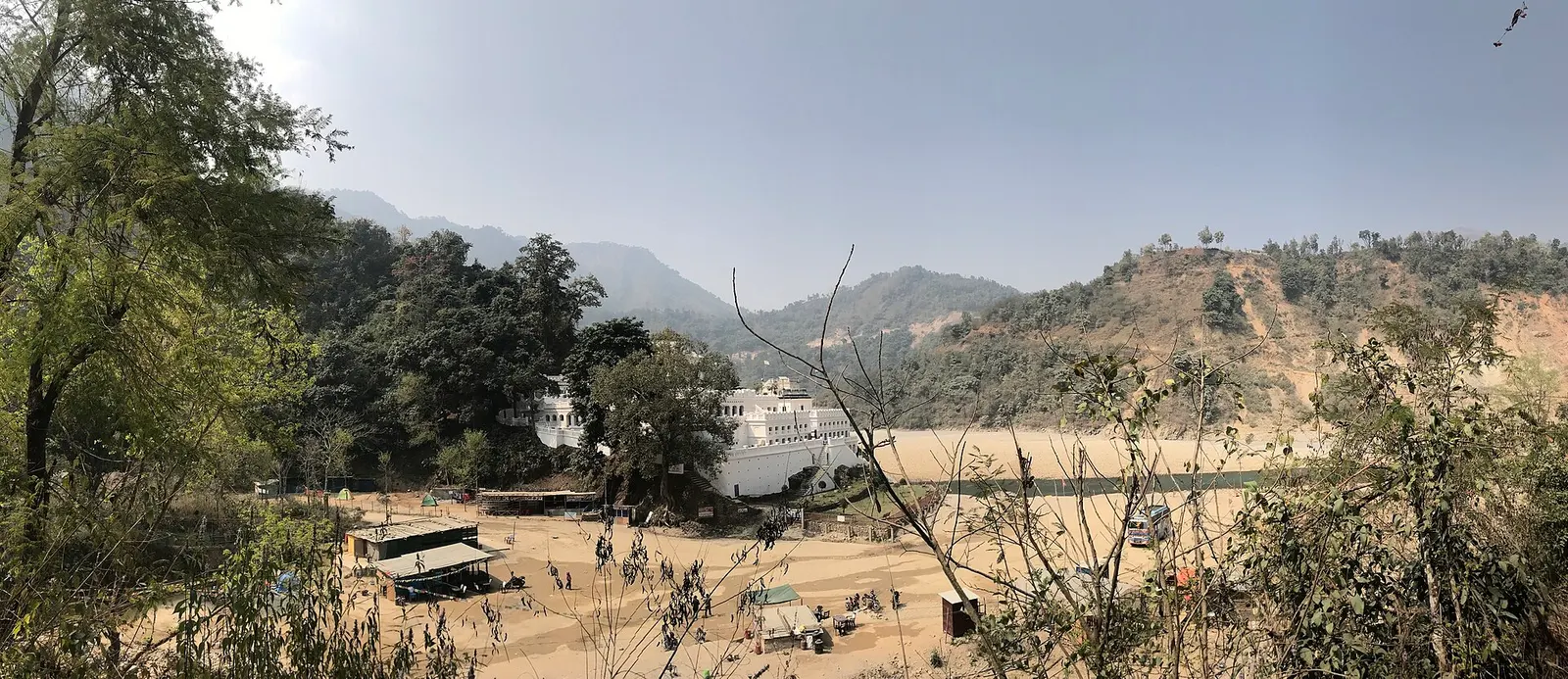
Valley or region
A hill district between Pokhara and the plains, home to the old bazaar town of Tansen, Magar villages and the Rani Mahal palace on the Kali Gandaki.
Viewpoint
A forested hill above Tamghas, sacred to Hindus and Buddhists, with views across Gulmi to the Himalaya.
Town or village
The hill headquarters of Gulmi, set below sacred Resunga and surrounded by coffee and terrace farming.