Skip to content

Dhulikhelनमोबुद्ध

Namo Buddha

A hilltop stupa and Tibetan Buddhist monastery south-east of Dhulikhel, tied to the story of a prince who gave his body to a starving tigress.

This is the Buddhist pilgrimage hill with the stupa and the Thrangu Tashi Yangtse Monastery in Kavrepalanchok, not the wider Namobuddha Municipality around it.

Plan a trip here
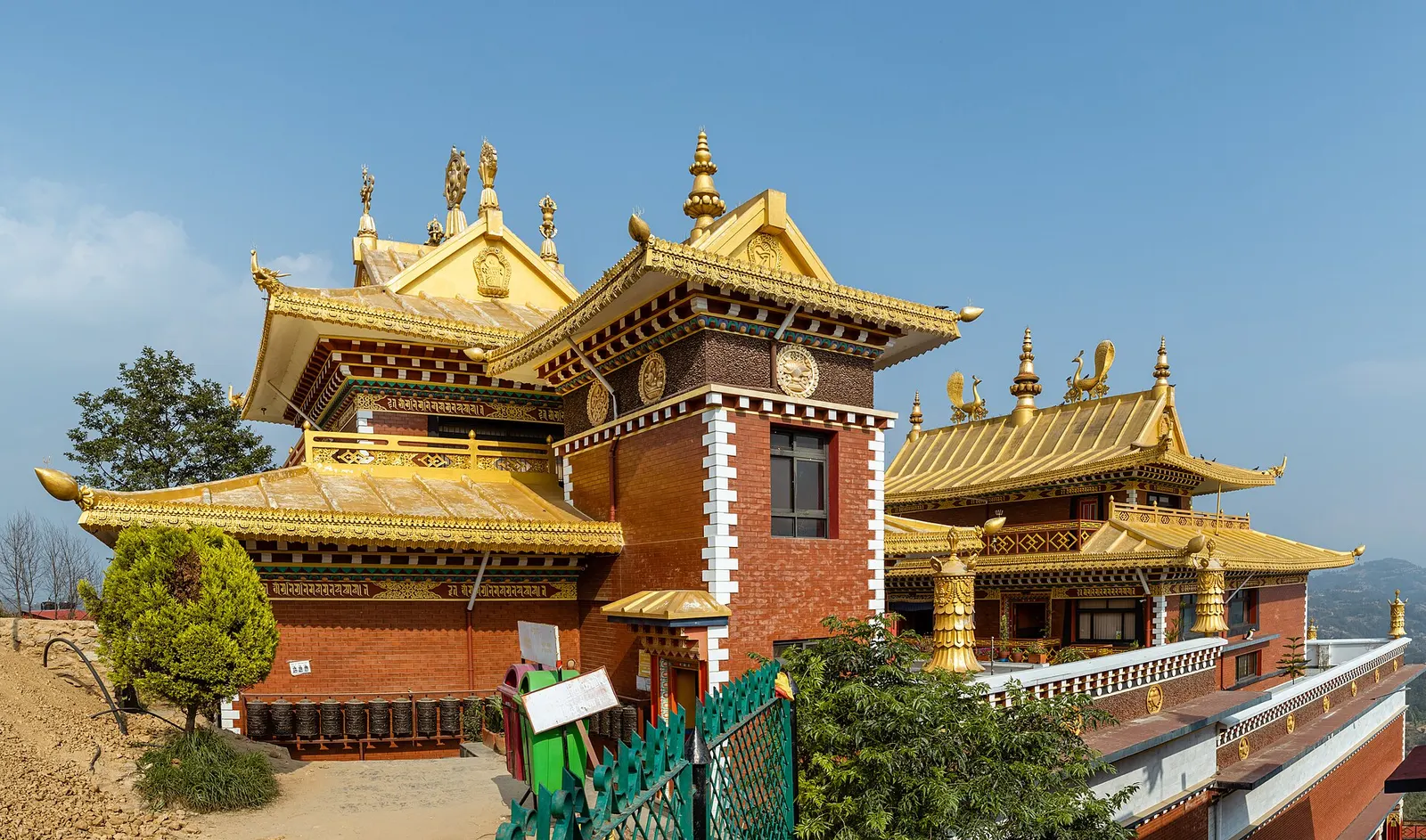
Panorama of the Thrangu Tashi Yangtse Monastery buildings on the Namo Buddha hilltop.
Photo: Bijay Chaurasia (CC BY-SA 4.0)
Altitude
1,750 m*
Best months
Feb-Apr, Oct-Dec
Type
Temple, monastery or heritage site
District
Kavrepalanchok, Bagmati
Permit
None needed

Why go

Namo Buddha is one of the main Buddhist pilgrimage sites near Kathmandu, on a forested ridge in Kavrepalanchok District roughly 40-50 km by road south-east of the capital. It is part of the Dhulikhel area: most visitors either walk here from Dhulikhel in 3-5 hours or drive in and walk down afterwards to Panauti or Balthali.

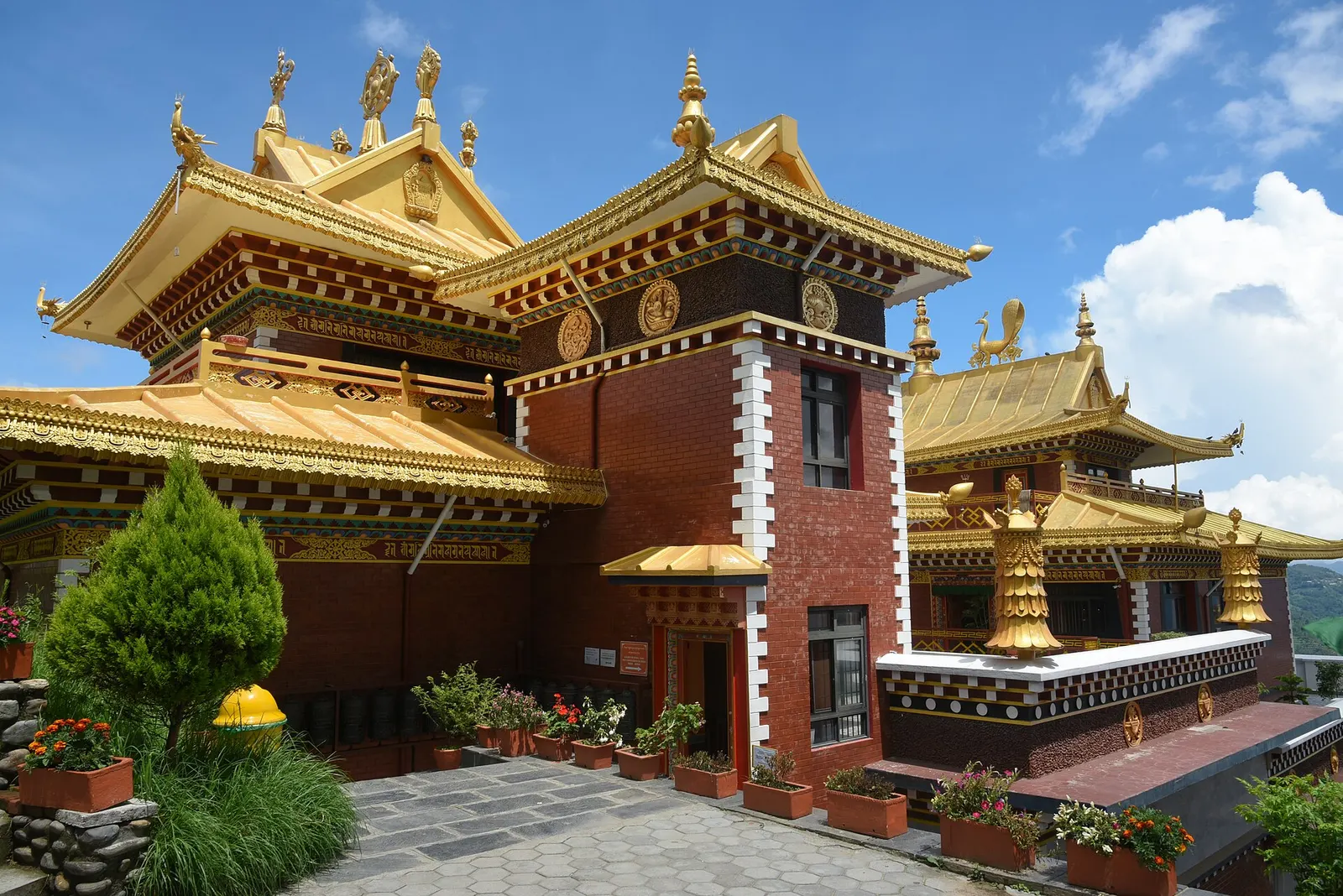
The site has two parts. A white stupa stands in the small settlement below, said to hold relics of the prince in the story. Stairs then climb through prayer flags to the hilltop, where a stone carving marks the place of the sacrifice beside the large Thrangu Tashi Yangtse Monastery of the Karma Kagyu tradition, with its gold roofs, assembly hall, monks' quarters and views towards the Himalaya on clear days.

Visitors can watch the monks' daily prayers in the main hall, walk the circuits around the stupa and hilltop, and stay overnight in simple accommodation nearby, which makes it a quiet stop on a two or three day village walk through Kavre.

History and culture

The name means 'homage to the Buddha'. Tibetans know the place as Takmo Lüjin, 'tigress body offering'. According to the Jataka tradition, a prince called Mahasattva (in Tibetan sources Nyingthob Chenpo), an earlier incarnation of the Buddha, found a tigress too weak from hunger to feed her cubs and offered his own body to save them. This is a religious legend; local tradition places the prince's family palace at Panauti, about 8 km downhill.

The stupa is counted among the three most important stupas of the Kathmandu region, alongside Boudhanath and Swayambhunath, and masters from all the main Tibetan Buddhist schools have made pilgrimages here. The Thrangu Tashi Yangtse Monastery was founded by Thrangu Rinpoche and completed in the 2000s. Many local residents are Tamang Buddhists, and a Namo Buddha fair is held in the area in late autumn.

Things to do in Namo Buddha

  • Walk the kora

    Circle the stupa and the hilltop shrines clockwise, as pilgrims do, spinning prayer wheels on the way.

  • Visit the monastery

    Enter the main assembly hall quietly; monks gather for prayers at set times in the day, and visitors may sit at the back.

  • Hike in from Dhulikhel

    Follow the signed village trail from Dhulikhel, about 3-5 hours, and arrange transport back or walk on to Panauti in about 2.5-3 hours.

Weather and the best time to visit Namo Buddha

Weather in Namo Buddha

Forecast for 1,750 m. Conditions change fast in the mountains.

Weather data: MET Norway, licensed CC BY 4.0. A forecast, not a guarantee.

Best time to visit

Feb-Apr, Oct-Dec

  1. Jan
  2. Good month: Feb
  3. Good month: Mar
  4. Good month: Apr
  5. May
  6. Jun
  7. Jul
  8. Aug
  9. Sep
  10. Good month: Oct
  11. Good month: Nov
  12. Good month: Dec
Autumn (Sep-Nov)
Clear skies and comfortable walking temperatures make October and November the most pleasant months; the autumn fair adds pilgrims.
Winter (Dec-Feb)
Dry and often sunny by day, with cold mornings and evenings on the exposed ridge.
Spring (Mar-May)
Warm and good for walking; forests are green but haze often hides the mountains.
Monsoon (Jun-Aug)
Frequent rain, mist on the ridge and muddy trails with leeches in forested sections; the monastery is still open.

Where to stay

Monastery guesthousesGuesthousesResorts

The monastery offers simple guest rooms, and a few small guesthouses and a resort are in the area; most visitors stay in Dhulikhel.

No partner stays are listed here yet. List a property.

Getting there

Namo Buddha is reached by road from Dhulikhel or Panauti, or on foot from Dhulikhel along village trails.

Nearest hub: Dhulikhel

  • walkFrom Dhulikhel, about 3-5 hours on a signed trail through villages and pine forest, roughly 10-14 km.
  • roadFrom Kathmandu, about 1.5-2.5 hours by car or jeep via Dhulikhel; local buses also run from Banepa or Panauti side, with changes.
  • walkFrom Namo Buddha, walk down to Panauti in about 2.5-3 hours, or on to Balthali.

Getting to Namo Buddha, by mode

Nearest hub: Dhulikhel. Times are typical ranges, not schedules, and vary with roadworks, weather and the season.

  • By busfrom PanautiLocal buses

    Local buses run from the Banepa and Panauti side with a change, but services are infrequent and no reliable timetable was found, so the duration is left open.

    Dhulikhel, Wikivoyage

  • By car or jeepfrom Dhulikhelabout 0.5-1 h

    From Kathmandu allow 1.5 to 2.5 hours by car or jeep via Dhulikhel; the last stretch climbs a narrow rural road to the monastery.

    Road: Sealed to Dhulikhel, then a narrow and partly rough rural road; a jeep is the safer choice in the monsoon.

    Namo Buddha, Wikipedia

  • By motorbikefrom Dhulikhelabout 0.5-1 hModerate riding

    Short steep climb on rough rural road, slippery when wet.

    Road: Narrow rural road, part sealed and part rough stone and earth.

    Nepal, Wikivoyage

  • On footfrom Dhulikhelabout 3-5 h3-5 h from Dhulikhel, about 10 to 14 km, with a steady climb to the ridge

    The signed trail leaves Dhulikhel past the Kali temple and crosses farmland and pine forest to the ridge.

    When to set off: leave Dhulikhel by 08:00 to reach the stupa before midday

    Dhulikhel, Wikivoyage

Where people go next

  • Dhulikhelon foot, about 3-5 hBack along the signed trail.
  • Panaution foot, about 2.5-3.5 hDownhill to the confluence town.
  • Balthalion foot, about 3-4 hVillage trails south to the farm ridge.
Mount Everest 8,848.86Kangchenjunga 8,586Dhaulagiri I 8,167Manaslu 8,163Annapurna I 8,091Namo BuddhaKathmandu
Boundary: Government of Nepal, Survey Department (2020). Peak data: Wikidata.

Permits and fees

None needed

No permit or fixed entry fee is needed for the stupa or monastery; donations are welcome.

Verify before travel: permit rules and fees change. Checked 2026-10-06 against Dhulikhel and Namo Buddha (Wikivoyage).

Risks and conditions

Seasonal risks around Namo Buddha

What this place is typically exposed to, and when. These are seasonal patterns, not a report on conditions now.

  • Landslidesmoderate in a typical yearJun-Sep

    The rural roads up to the ridge from Dhulikhel and Panauti are earth and rough stone, and monsoon rain typically triggers slips and washouts between June and September.

    Nepal, Wikivoyage

  • Road blockagesmoderate in a typical yearJun-Sep

    After heavy monsoon rain the approach roads can be impassable to cars, and the Araniko Highway feeder route is slow.

    Araniko Highway, Wikipedia

  • Othermoderate in a typical yearJun-Sep

    The walking route from Dhulikhel is muddy and leech-ridden in the monsoon, with mist on the ridge for days at a time.

    Dhulikhel, Wikivoyage

  • Coldlow in a typical yearDec-Feb

    At about 1,750 m the exposed ridge is cold on December to February mornings and evenings, and monastery guest rooms are unheated.

    Namo Buddha, Wikipedia

Check current conditions before you travel

Roads, trails, passes and flights change with the weather and with roadworks, and nothing on this page describes conditions today. Before you set off, check the Department of Hydrology and Meteorology for weather and flood warnings, the Nepal Disaster Risk Reduction Portal for incidents, and the local authority, police or your licensed operator for road, trail and flight status.

Practical tips

  • Walk clockwise around the stupa and shrines and keep voices low in the monastery halls.
  • Dress modestly and remove shoes before entering prayer halls; ask before photographing monks.
  • Bring cash for food and donations; there is no ATM at the site.
  • Mobile signal is usually available, but trails between villages can have weak coverage.

Treks through Namo Buddha

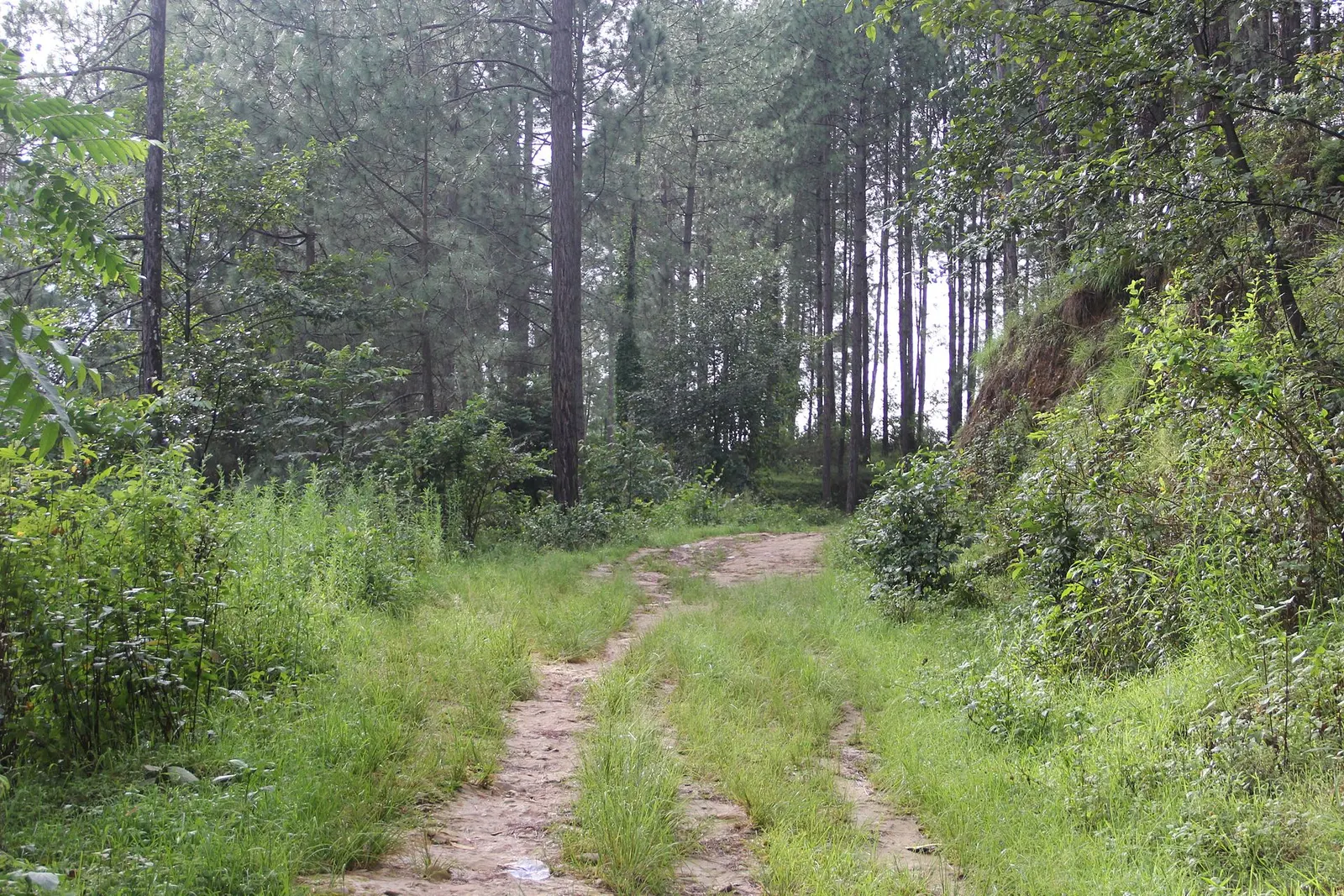
A grassy dirt track leads through tall pine forest on the way to Balthali village.

A short, low walk south-east of Kathmandu from Dhulikhel to the Buddhist pilgrimage site of Namo Buddha, on to the farming village of Balthali, and down to the old Newar town of Panauti. No permit needed.

Days
3 days
Maximum altitude
1,750 m
Difficulty
Easy

Questions about Namo Buddha

How do I get to Namo Buddha from Kathmandu?

Drive or take a bus to Dhulikhel, then continue by road (about 30-45 minutes) or walk about 3-5 hours. The full drive from Kathmandu takes about 1.5-2.5 hours.

Is there an entry fee at Namo Buddha?

There is no fixed entry fee for the stupa or monastery at the time of writing; donations are welcome.

Can I stay overnight at Namo Buddha?

Yes. The monastery has simple guest rooms and there are a few guesthouses nearby, which lets you see the morning prayers and views.

What is the story of Namo Buddha?

Buddhist legend tells of a prince, an earlier life of the Buddha, who gave his body to feed a starving tigress and her cubs on this hill.

More in Dhulikhel

All of Dhulikhel
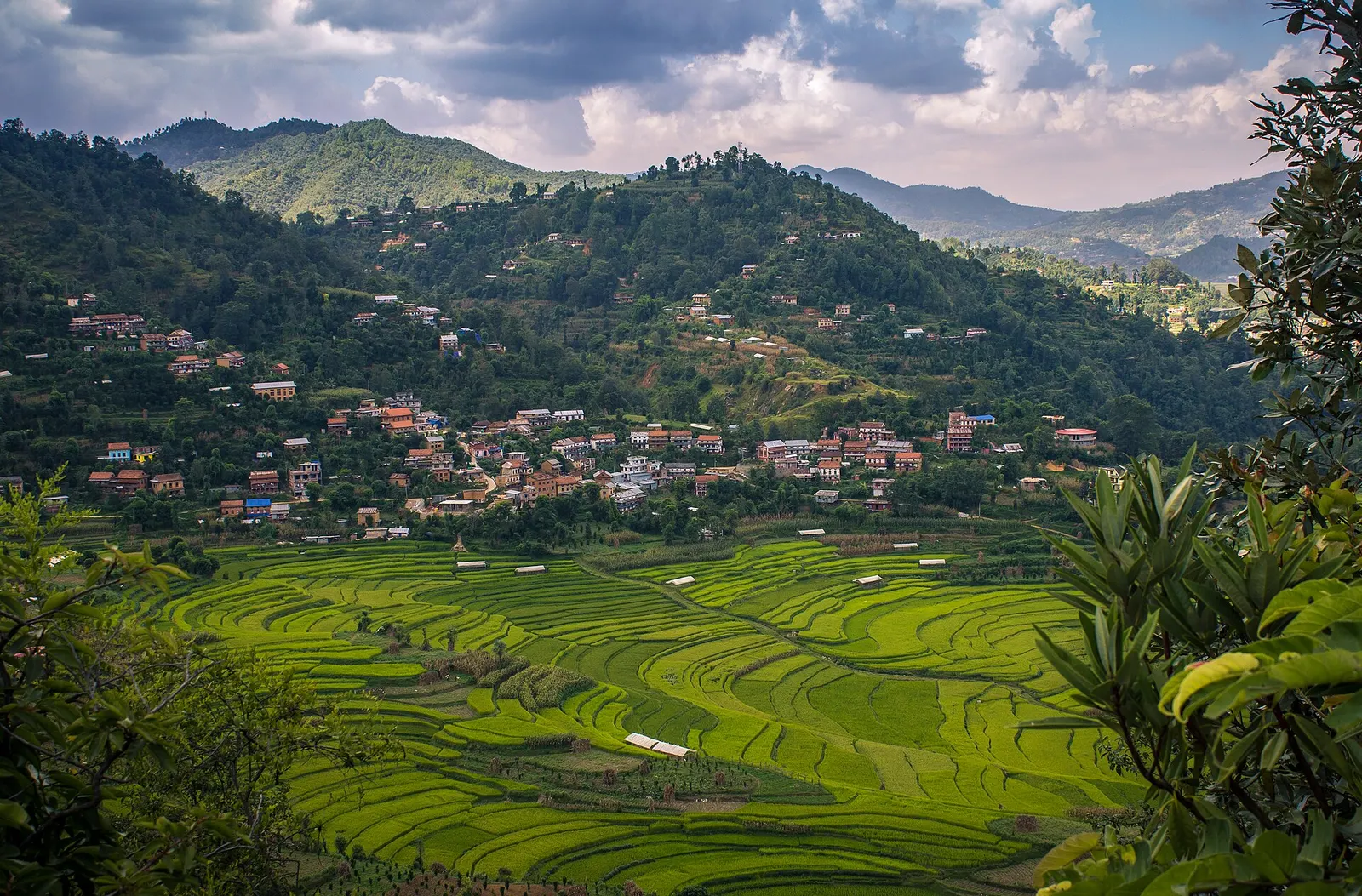
Houses and terraced fields of Balthali village on a hillside.

Town or village · 1,730 m

Balthali

A farming village on a ridge above Panauti and Khopasi, reached on foot or by rough road, with terraced fields and homestays.

Nearby

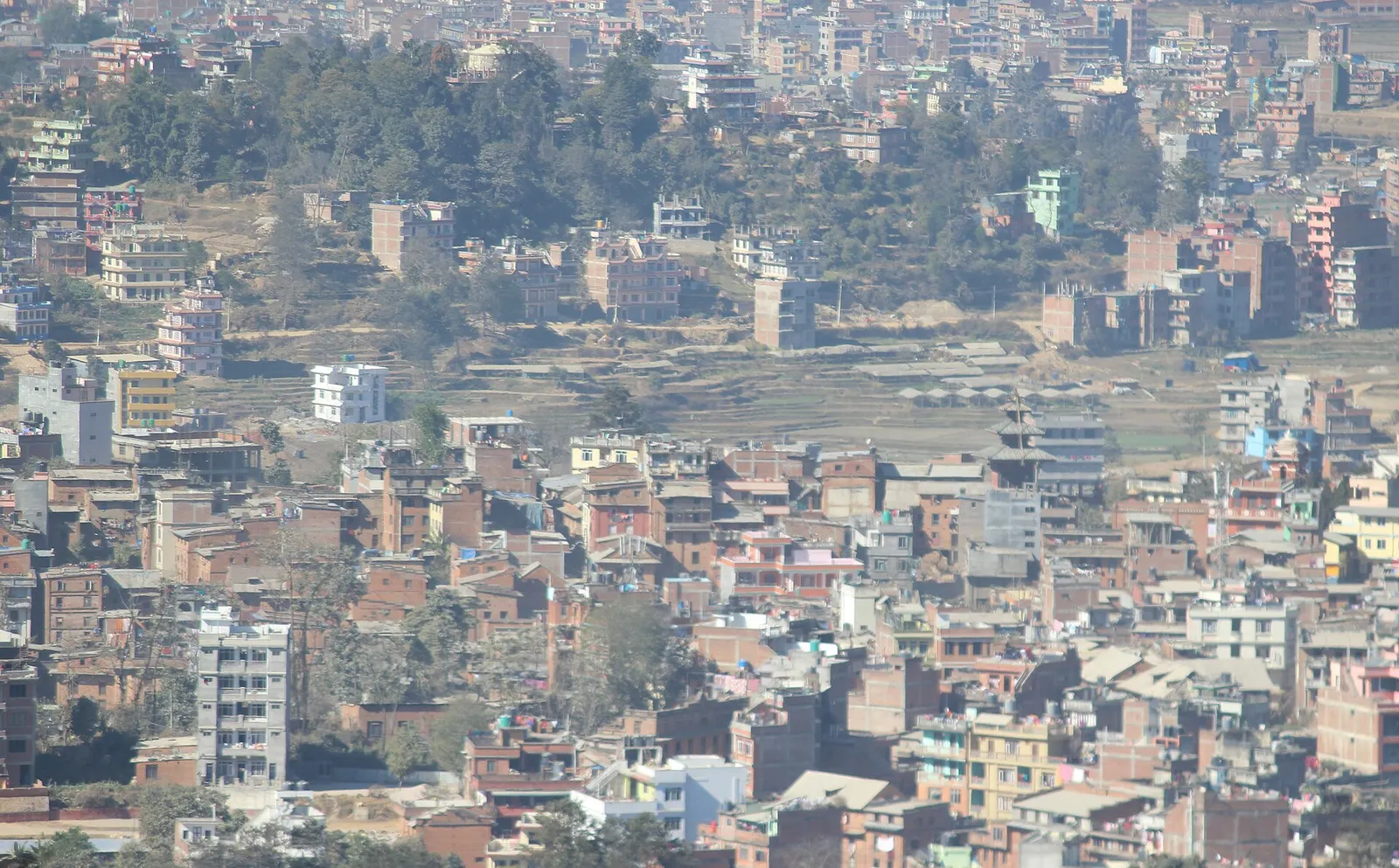
Houses of Dhulikhel spread across a ridge, seen from the hilltop Kali temple, with a temple roof in view.

Town or village · 1,550 m

Dhulikhel

A Newar hill town on the eastern rim of the Kathmandu Valley, with a wide Himalayan skyline and walking trails to Namo Buddha and Panauti.

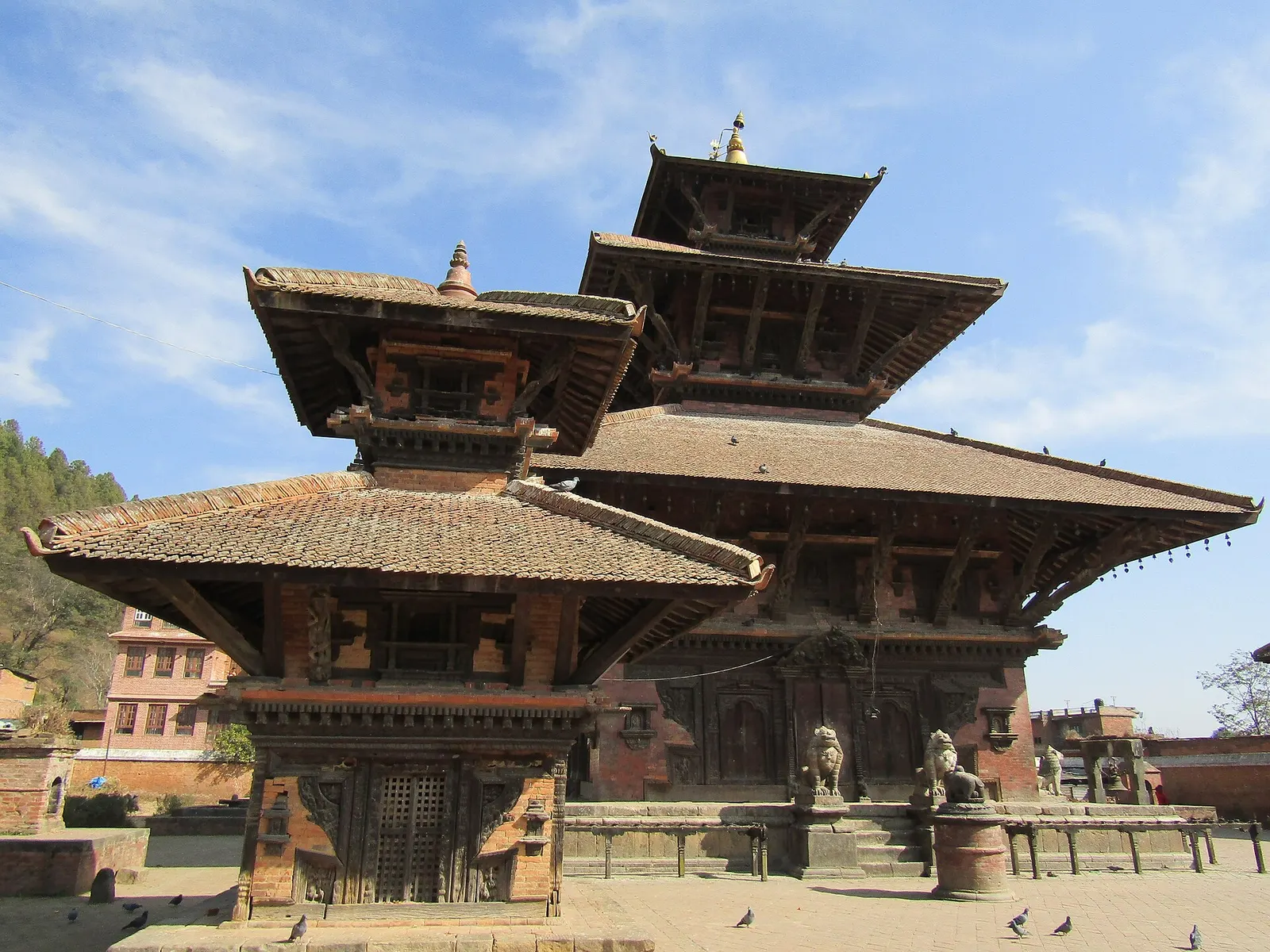
The tiered Indreshwar Mahadev temple in Panauti, Kavrepalanchok.

Town or village · 1,442 m

Panauti

A small medieval Newar town at a river confluence south-east of the Kathmandu Valley, with old temples, quiet lanes and community homestays.

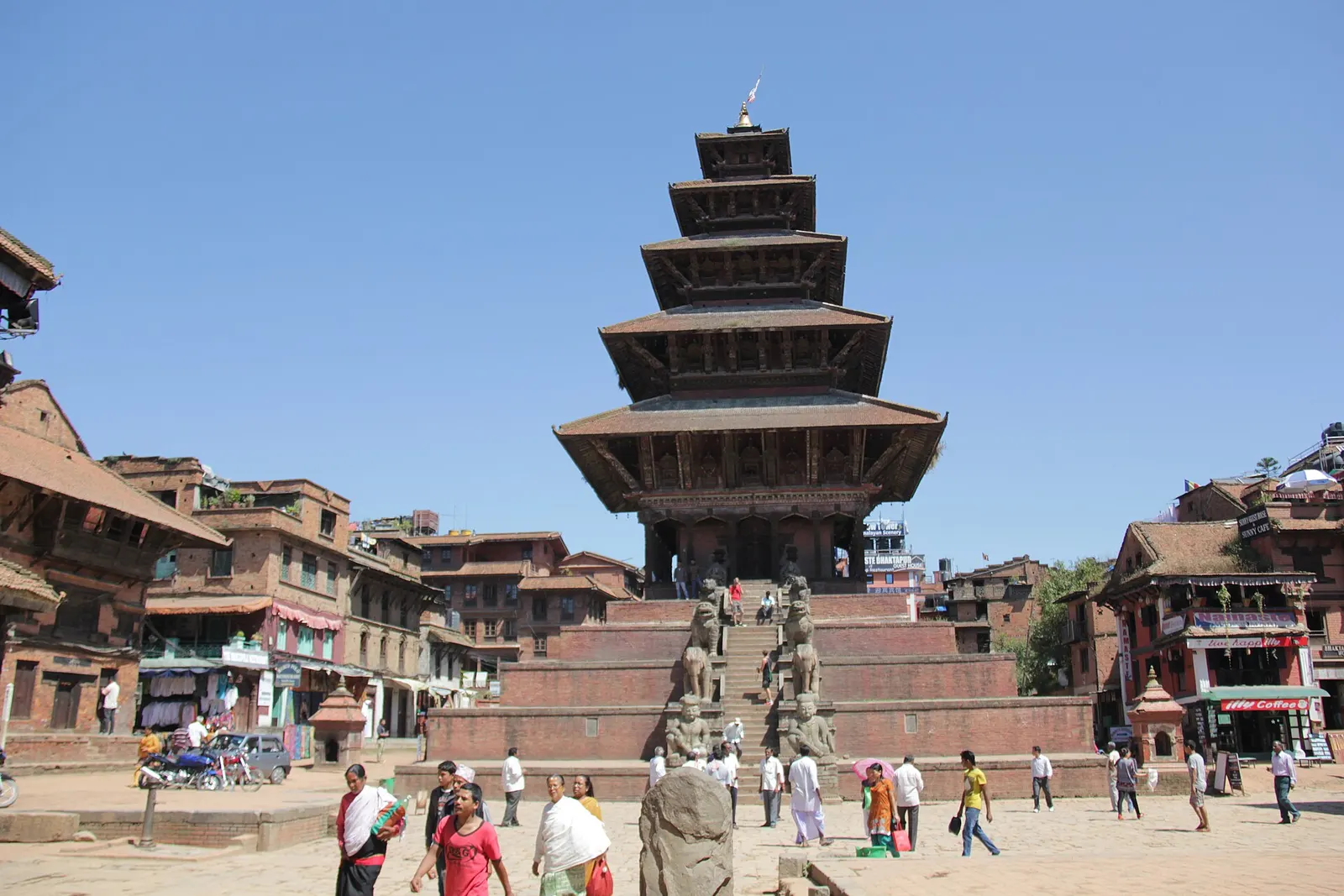
The five-tiered Nyatapola temple rising above Taumadhi Square in Bhaktapur.

Town or village · 1,401 m

Bhaktapur

A medieval Newar city in the east of the Kathmandu Valley, known for its temple squares, pottery, woodcarving and festivals.

Editorial draft: facts are being checked against the sources below. Last checked 2026-10-06. Sources: Namo Buddha (Wikipedia), Dhulikhel and Namo Buddha (Wikivoyage), Dhulikhel (Wikipedia)