

Town or village · 1,360 m
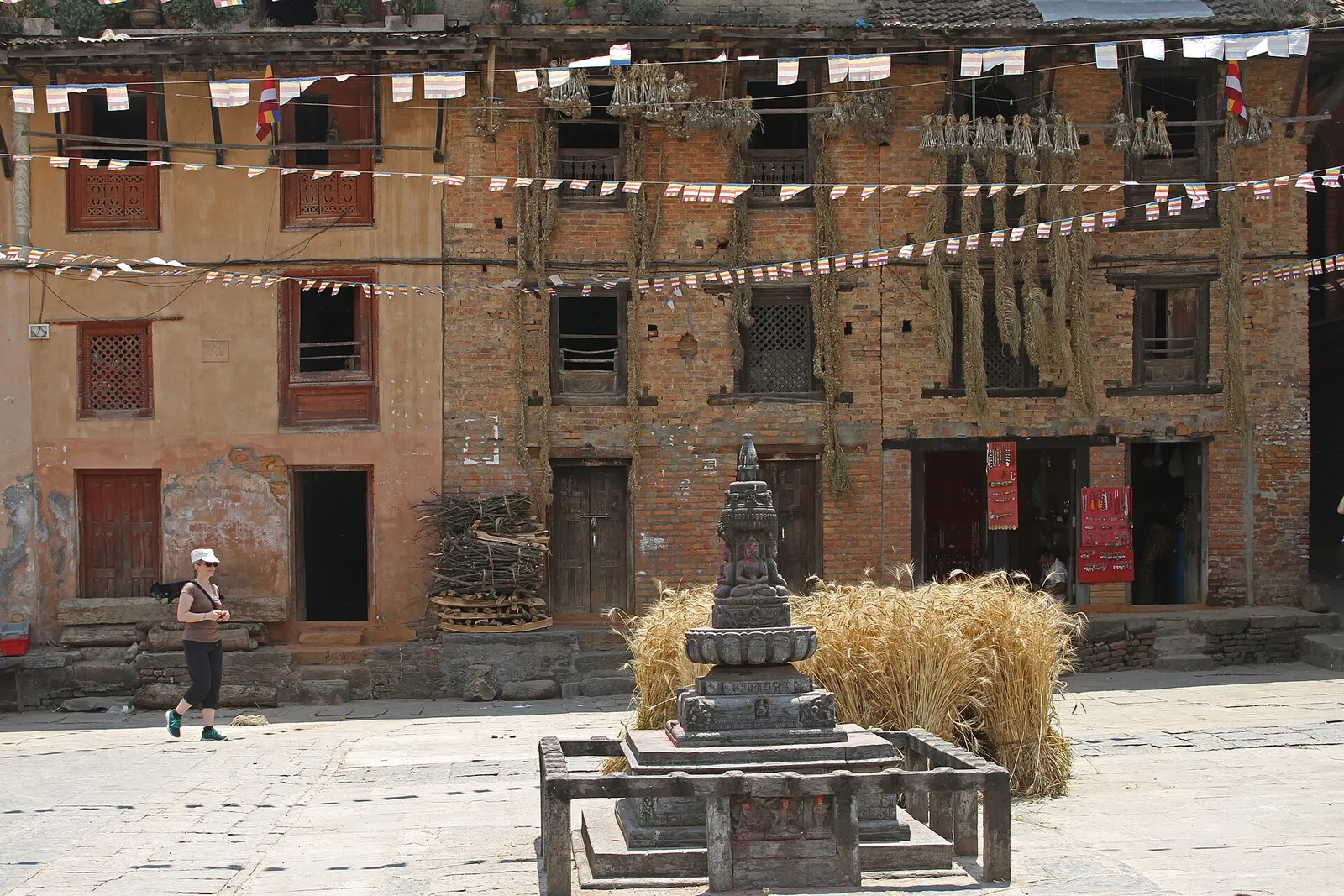
Bungamati
A Newar village on a spur above the Bagmati, home of the rain god Rato Machhindranath and known for its woodcarvers.
Patan (Lalitpur)पाटन दरबार क्षेत्र
The former royal square of Patan, a row of Malla-era temples facing a palace that now houses one of Nepal's finest museums.
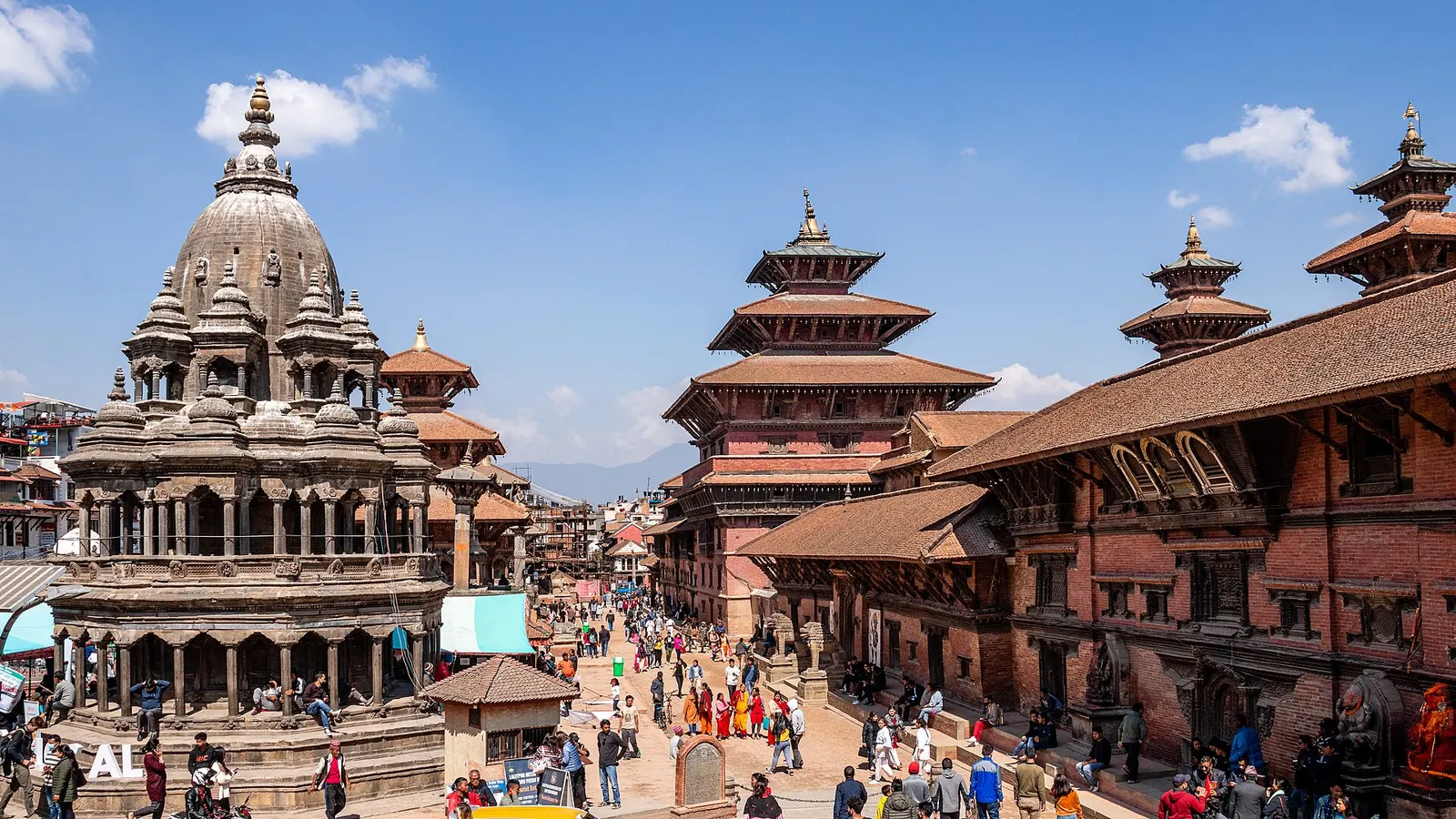
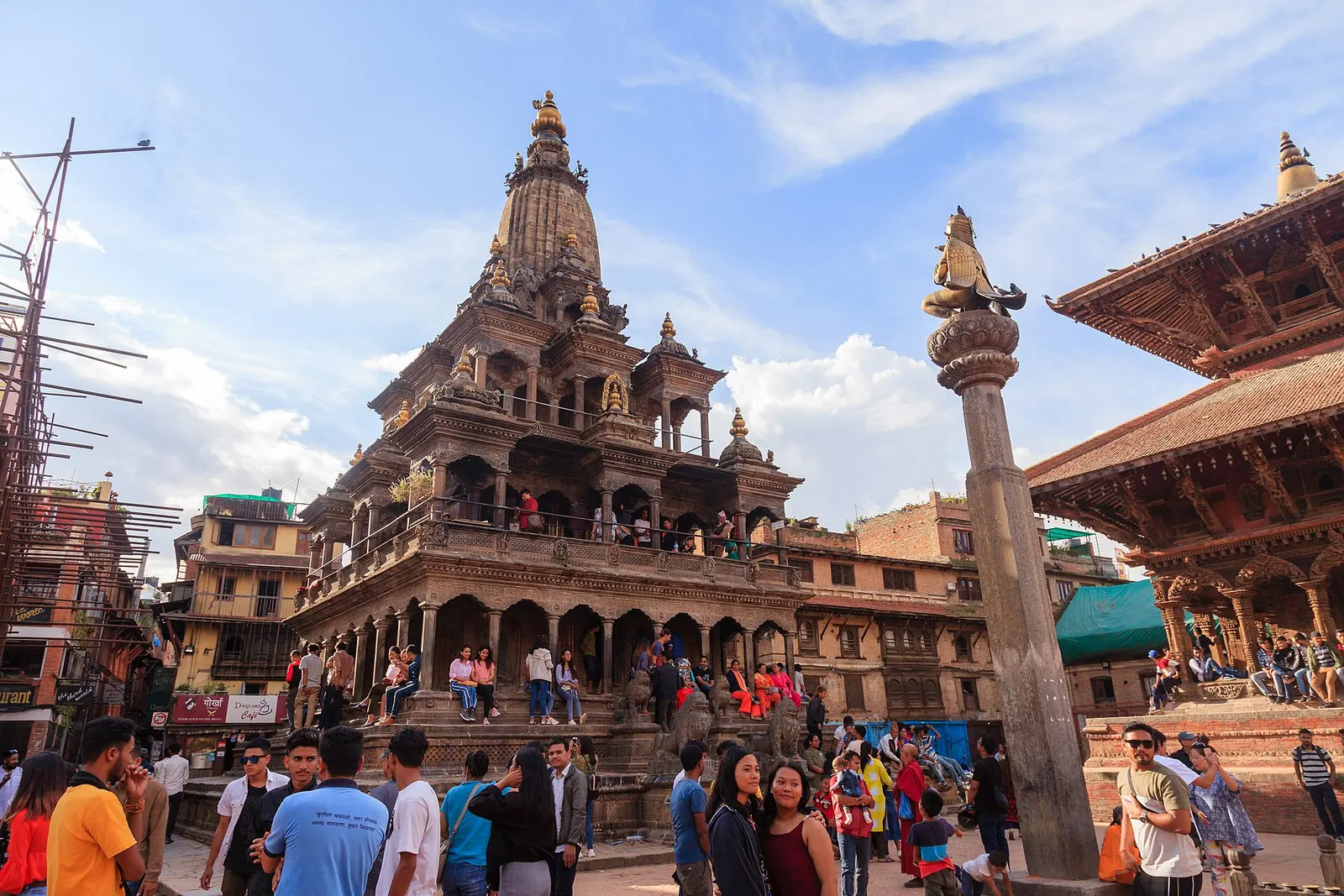
Patan Durbar Square is the centre of old Patan (Lalitpur) and the most compact and complete of the valley's three royal squares. On its eastern side stands the palace of the Malla kings of Patan, a long brick building with three main courtyards; facing it, a line of temples stands on stepped plinths in the open brick-paved square. The square is busy from early morning, with residents, vendors and students sitting on the temple steps.
The standout buildings are the Krishna Mandir, a 17th-century stone temple in the shikhara style whose friezes tell stories from the Mahabharata and Ramayana, and the Bhimsen temple, Vishwanath temple, Hari Shankar temple and tall Taleju temple, with a large bronze bell hung between two pillars. In the northern wing of the palace, Keshav Narayan Chowk houses the Patan Museum, whose collection of bronze and stone sculpture, displayed in restored rooms, is a good introduction to Hindu and Buddhist art of the valley. Mul Chowk and the Sundari Chowk, with its carved royal bath, Tusha Hiti, complete the palace.
Allow at least half a day: a couple of hours for the museum, plus time on the square. It is the natural starting point for walks to the Golden Temple and Kumbheshwar to the north and Mahabouddha to the south-east.
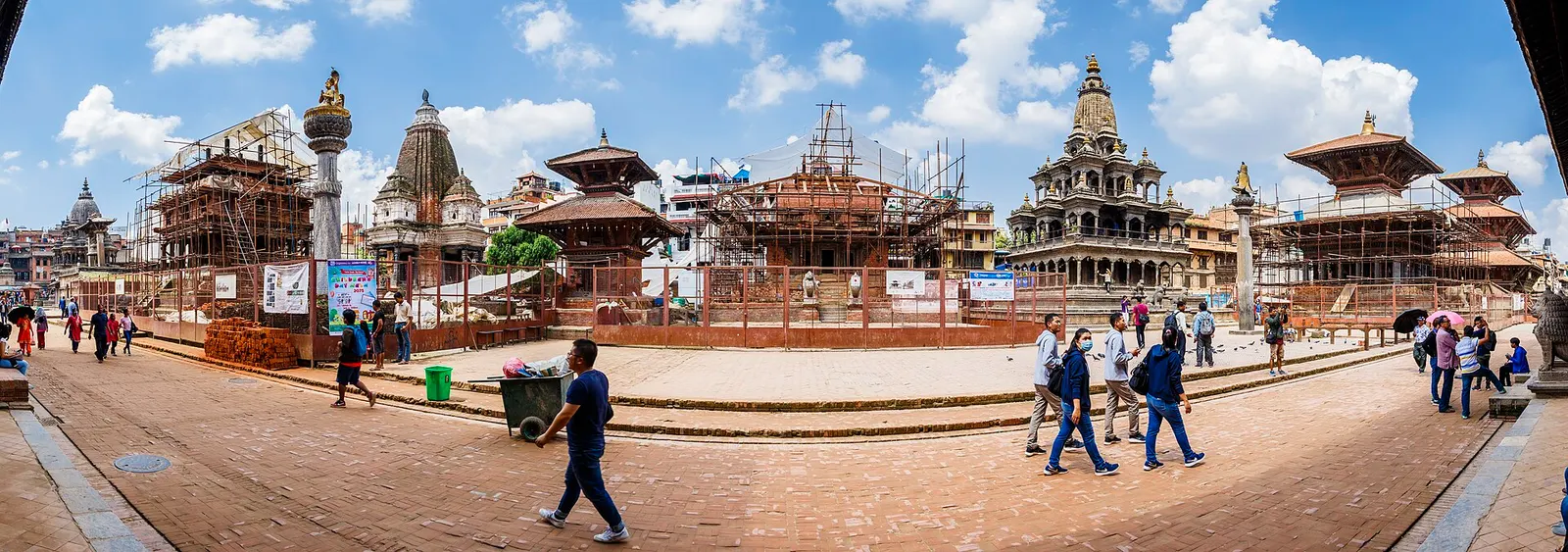
The site was an ancient crossroads, and inscriptions dated to 560 and 643 CE found in and near the palace show it was important long before the Malla period. Most of what stands today was built in the 17th century under King Siddhi Narsingh Malla, who built the Krishna Mandir in 1637, and his successors Srinivasa and Yoganarendra Malla. The square was heavily damaged by the 2015 earthquake, and several temples, including the Hari Shankar temple and the Char Narayan temple, have since been rebuilt with traditional techniques.
Patan was both a Hindu and Buddhist city, and the square reflects this, with Buddhist monasteries just off its edges. Krishna Janmashtami, the birthday of Krishna in August or September, draws large crowds of devotees to the Krishna Mandir, who keep vigil through the night with songs and oil lamps.
Visit the Patan Museum
Allow one to two hours for the sculpture galleries; the courtyard cafe is a good break.
Read the Krishna Mandir friezes
Walk around the temple to follow the carved scenes from the epics along its first-floor beam.
Sit on the temple steps
Climb a plinth at dusk to watch the square fill with residents as lamps are lit.
Walk to the Golden Temple
Head north a few minutes to the gilded courtyard of Hiranya Varna Mahavihar, then on to Kumbheshwar.
Forecast for 1,330 m. Conditions change fast in the mountains.
Weather data: MET Norway, licensed CC BY 4.0. A forecast, not a guarantee.
Mar-Apr, Oct-Dec
Several guesthouses in restored houses are within a few minutes' walk of the square.
No partner stays are listed here yet. List a property.
The square is in central Patan, about 5-7 km south of Thamel across the Bagmati river.
Nearest hub: Kathmandu
Nearest hub: Kathmandu. Times are typical ranges, not schedules, and vary with roadworks, weather and the season.
By busfrom Kathmanduabout 0.3-0.7 hLocal buses
Microbuses run to Patan Dhoka, about 10 minutes' walk north of Mangal Bazaar, and to Lagankhel just south.
By car or jeepfrom Kathmanduabout 0.25-0.5 h
About 5 to 7 km south across the Bagmati to Mangal Bazaar; the square and the lanes around it are walked.
Road: Sealed roads via the Ring Road; the last lanes into the old quarters are narrow and sometimes brick-paved.
By motorbikefrom Kathmanduabout 0.25-0.5 hEasy riding
Easy sealed run; park outside the square, which is closed to vehicles.
Road: Sealed roads via the Ring Road; the last lanes into the old quarters are narrow and sometimes brick-paved.
On footfrom Patan (Lalitpur)about 0.1-0.3 h10-15 minutes from Patan Dhoka, flat
South through the old lanes from the Patan Dhoka gate.
Entry fee
Foreign visitors pay an entry fee for the square; the Patan Museum has a separate ticket.
Verify before travel: permit rules and fees change. Checked 2026-10-06 against Patan, Wikivoyage.
What this place is typically exposed to, and when. These are seasonal patterns, not a report on conditions now.
Othermoderate in a typical yearDec-Apr
Dry-season dust and haze are a normal feature of the Kathmandu valley, where measured PM2.5 has run several times the WHO guideline level. Visitors prone to asthma usually do better on early mornings and after rain.
Floodinglow in a typical yearJun-Sep
The square itself is on high ground, but the lanes and the riverside quarters below it typically flood in the heaviest June to September rain.
Road blockageslow in a typical yearJun-Sep
About two thirds of the valley's rain falls between June and September, and sustained downpours typically waterlog junctions and slow valley roads, so short cross-city journeys can take much longer than planned.
Coldlow in a typical yearDec-Feb
Valley nights from December to February typically fall to around freezing, with morning fog burning off by mid-morning, and few buildings have heating.
Check current conditions before you travel
Roads, trails, passes and flights change with the weather and with roadworks, and nothing on this page describes conditions today. Before you set off, check the Department of Hydrology and Meteorology for weather and flood warnings, the Nepal Disaster Risk Reduction Portal for incidents, and the local authority, police or your licensed operator for road, trail and flight status.
Yes, foreign visitors pay an entry fee, and the Patan Museum charges separately. Check the current amounts on arrival.
Half a day is ideal: one to two hours in the Patan Museum plus time on the square and nearby courtyards.
Yes. Several temples collapsed or were damaged, and many have since been rebuilt with traditional methods.
Town or village · 1,360 m
A Newar village on a spur above the Bagmati, home of the rain god Rato Machhindranath and known for its woodcarvers.
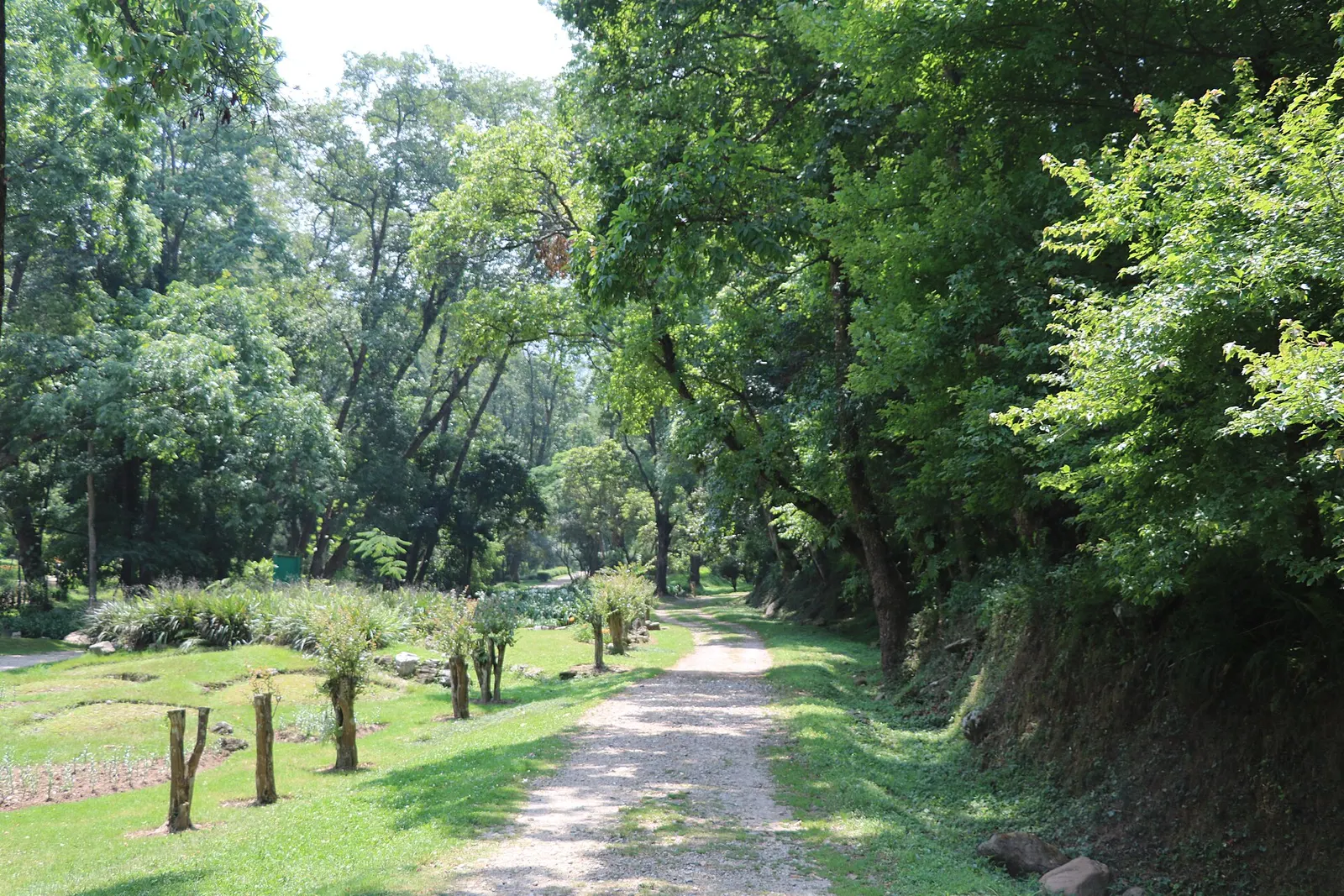
Town or village · 1,520 m
A green corner at the foot of Phulchowki, south-east of Patan, with Nepal's national botanical garden, sacred springs and forest walks.
Town or village · 1,340 m
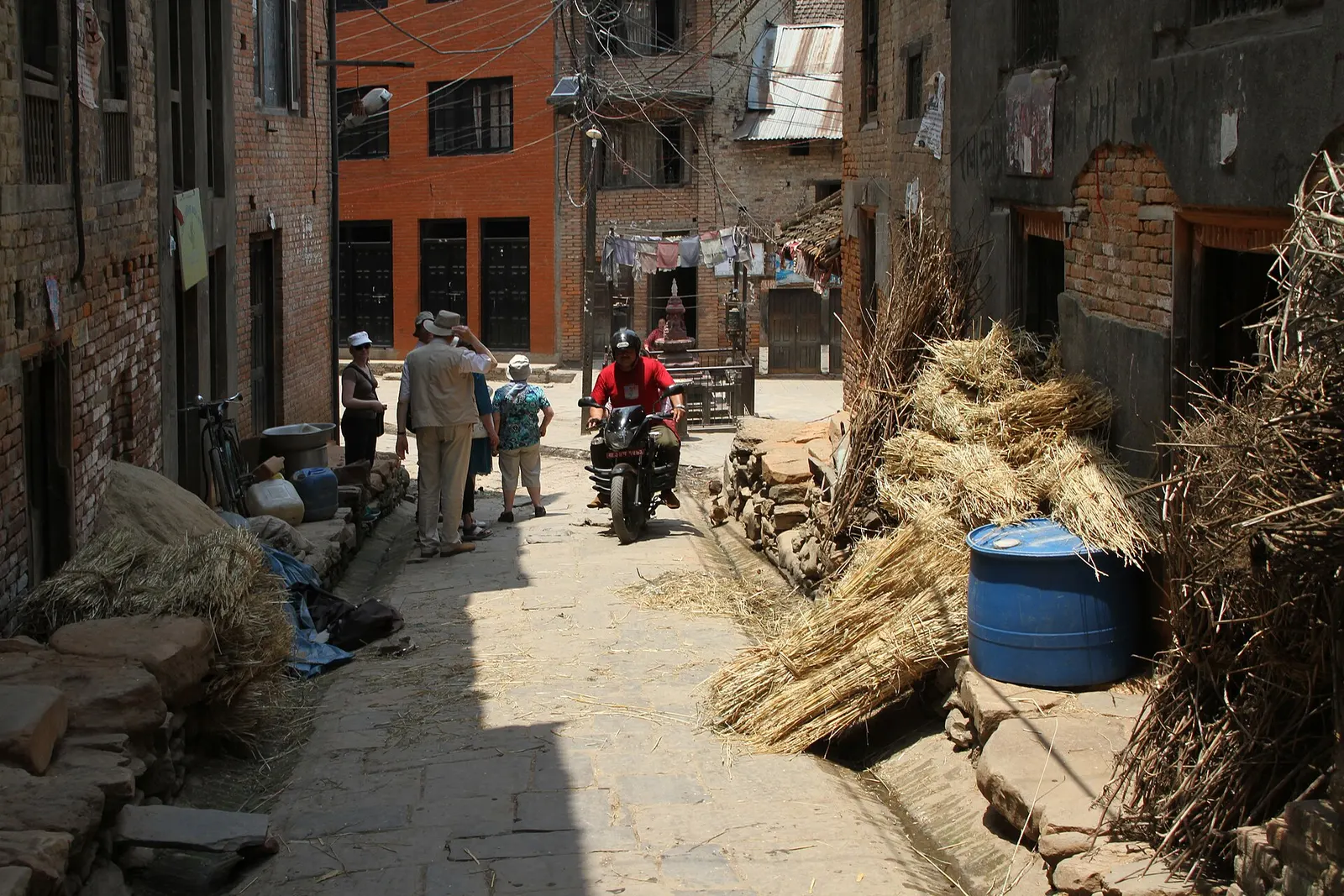
A traditional Newar farming village south of Patan, known for mustard-oil pressing and the Rudrayani temple.
Viewpoint · 2,782 m
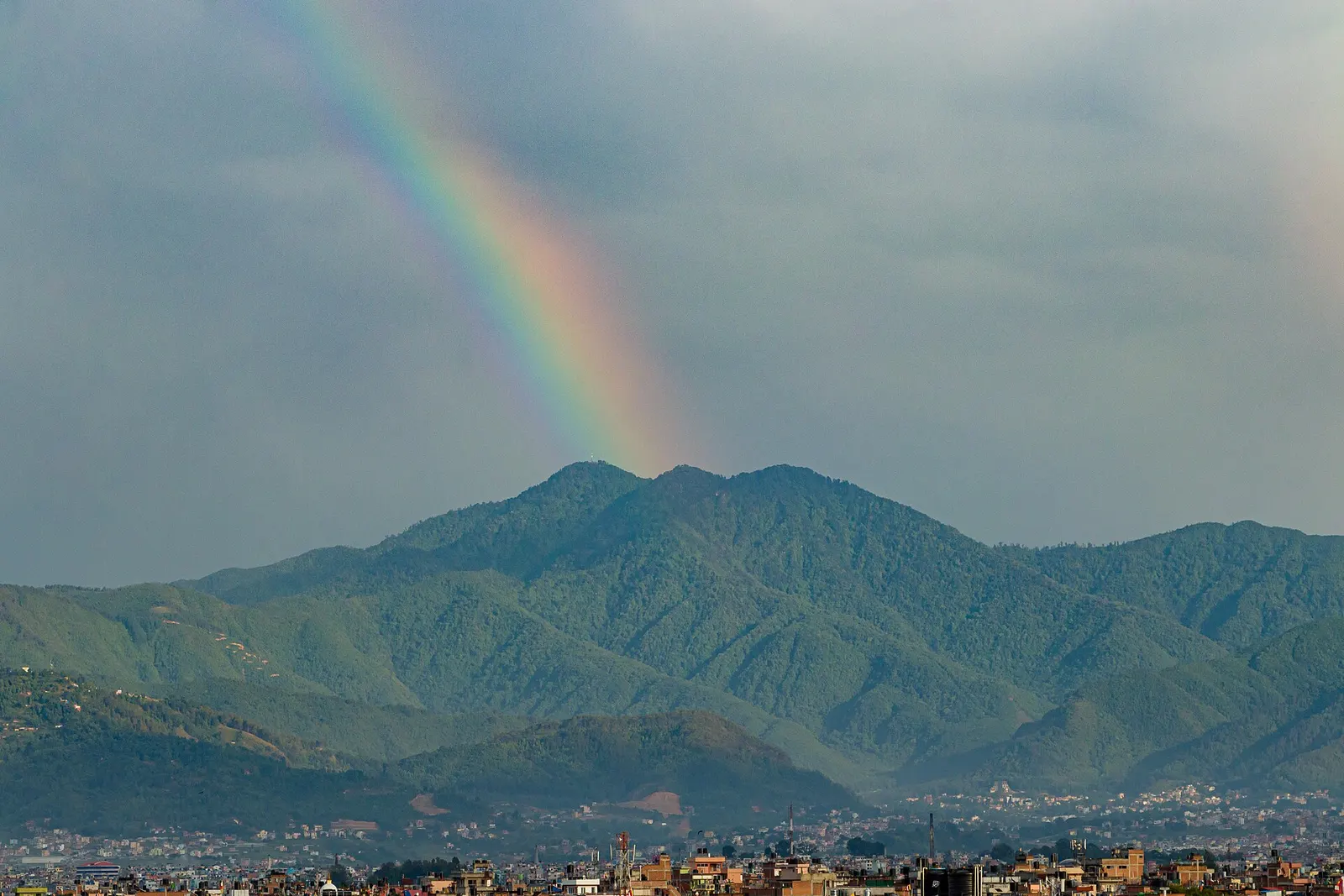
The highest point on the Kathmandu Valley rim, a forested hill above Godawari known for birds, rhododendrons and mountain views.
Town or village · 1,350 m
The old Newar city of Lalitpur across the Bagmati from Kathmandu, known for its Durbar Square, Buddhist courtyards and metalwork.
Temple, monastery or heritage site · 1,310 m
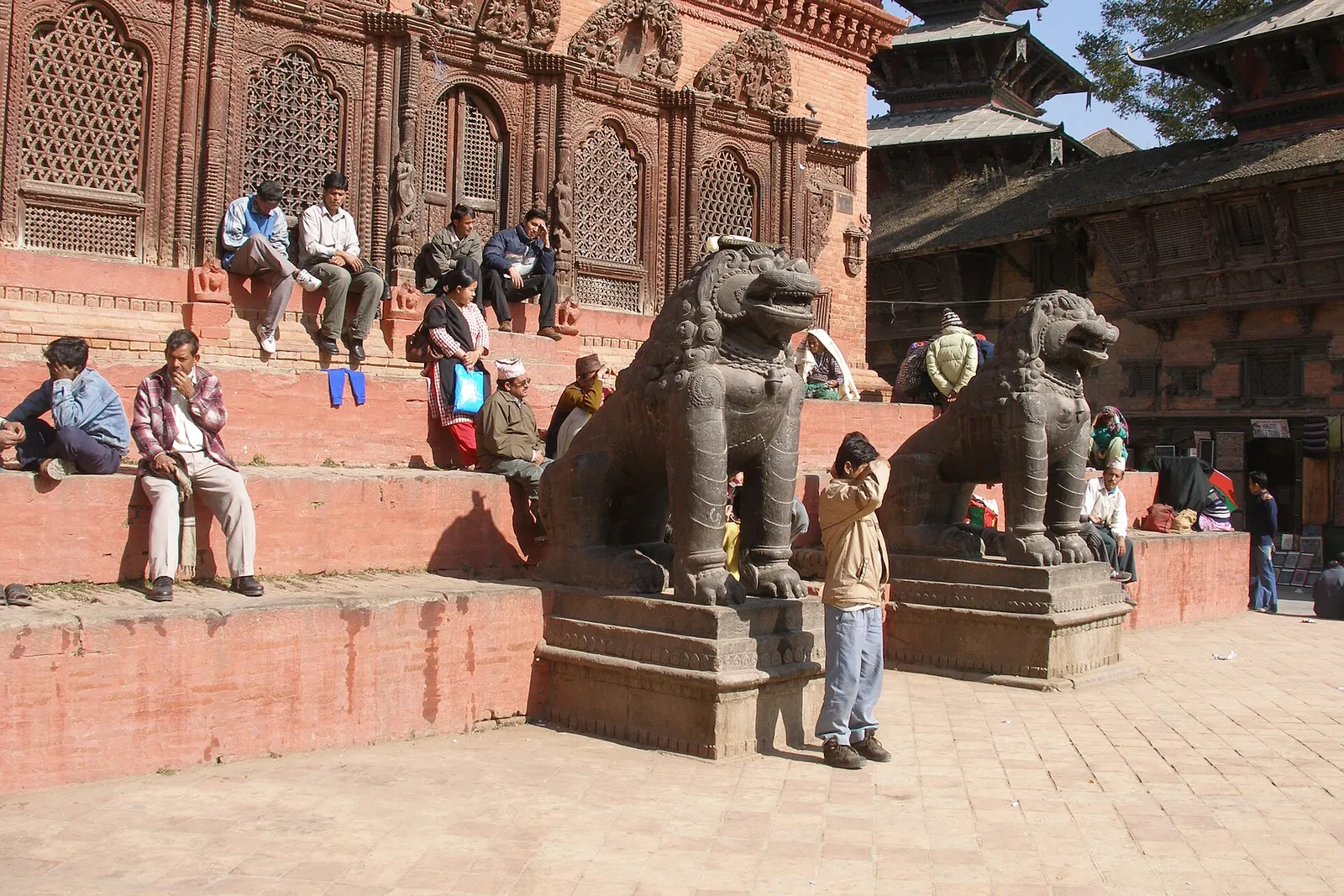
The old royal heart of Kathmandu, a cluster of Malla and Shah-era palaces and temples, and home of the Kumari, the living goddess.
Town or village · 1,400 m
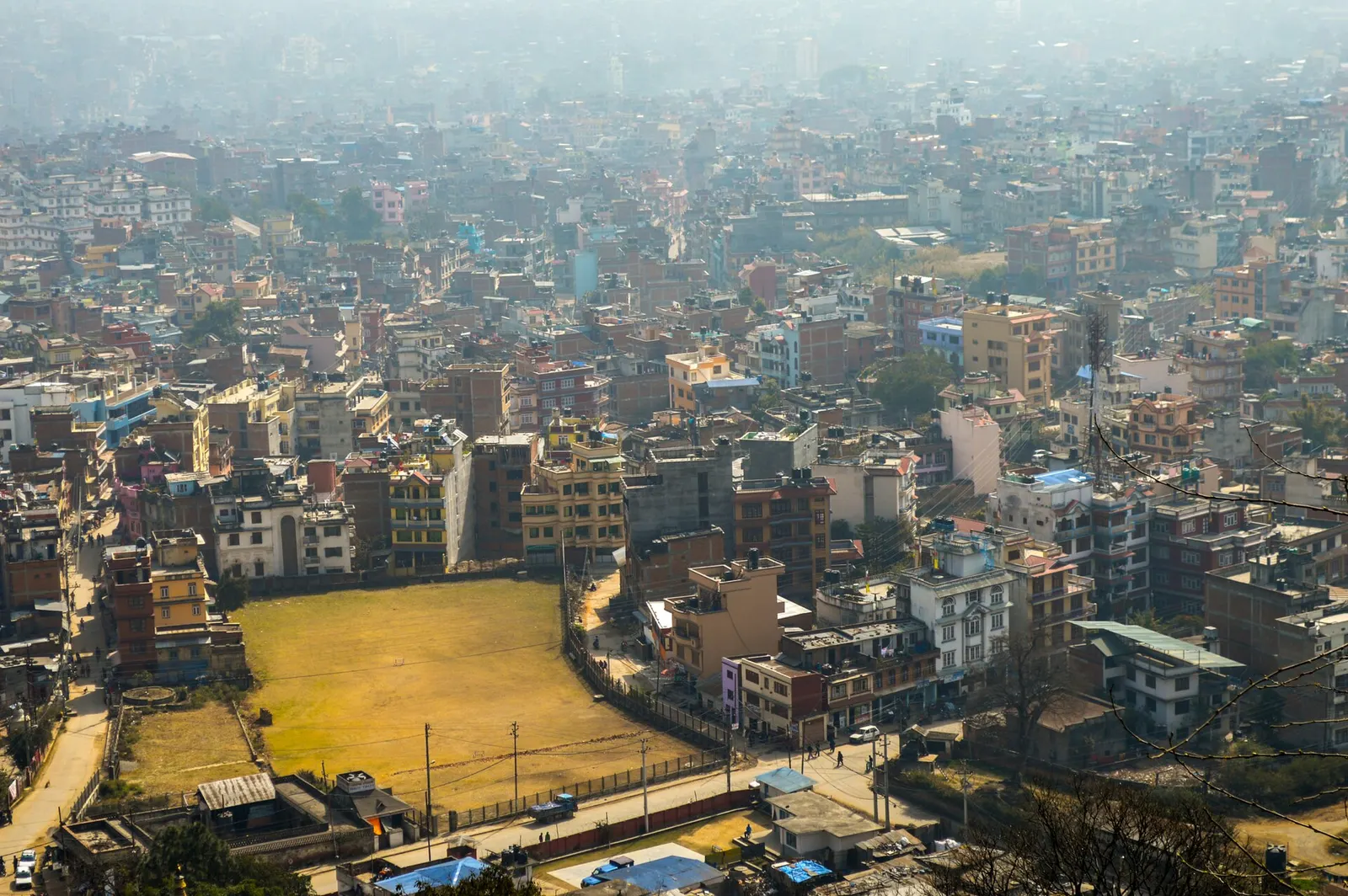
Nepal's capital, a sprawling valley city wrapped around a medieval Newar core, with major Hindu and Buddhist sites and the country's main airport.
Town or village · 1,400 m
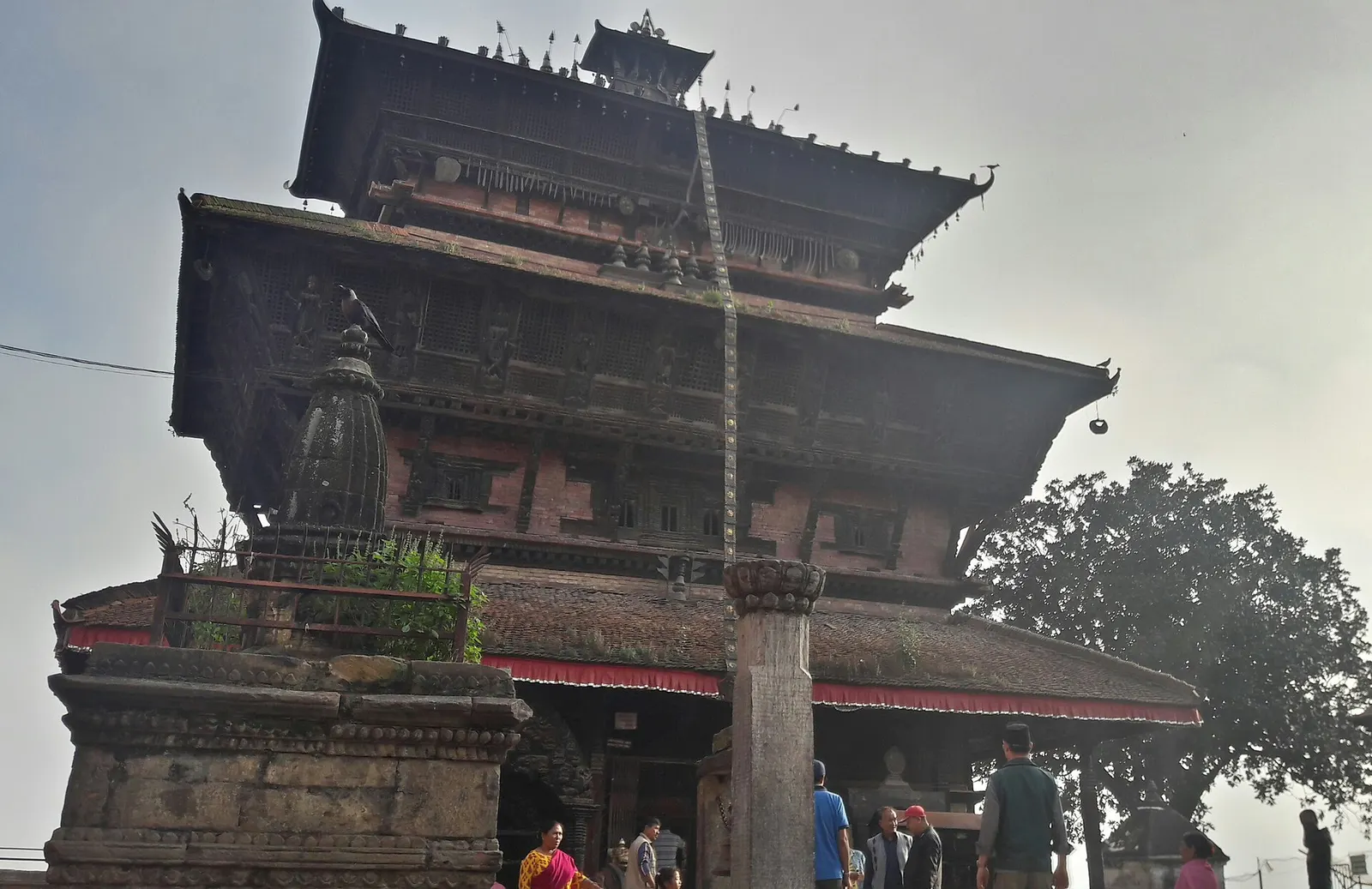
An old Newar hill town on Kathmandu's south-western edge, with temples, valley views and a dramatic history of resistance.