Valley or region
Barun Valley
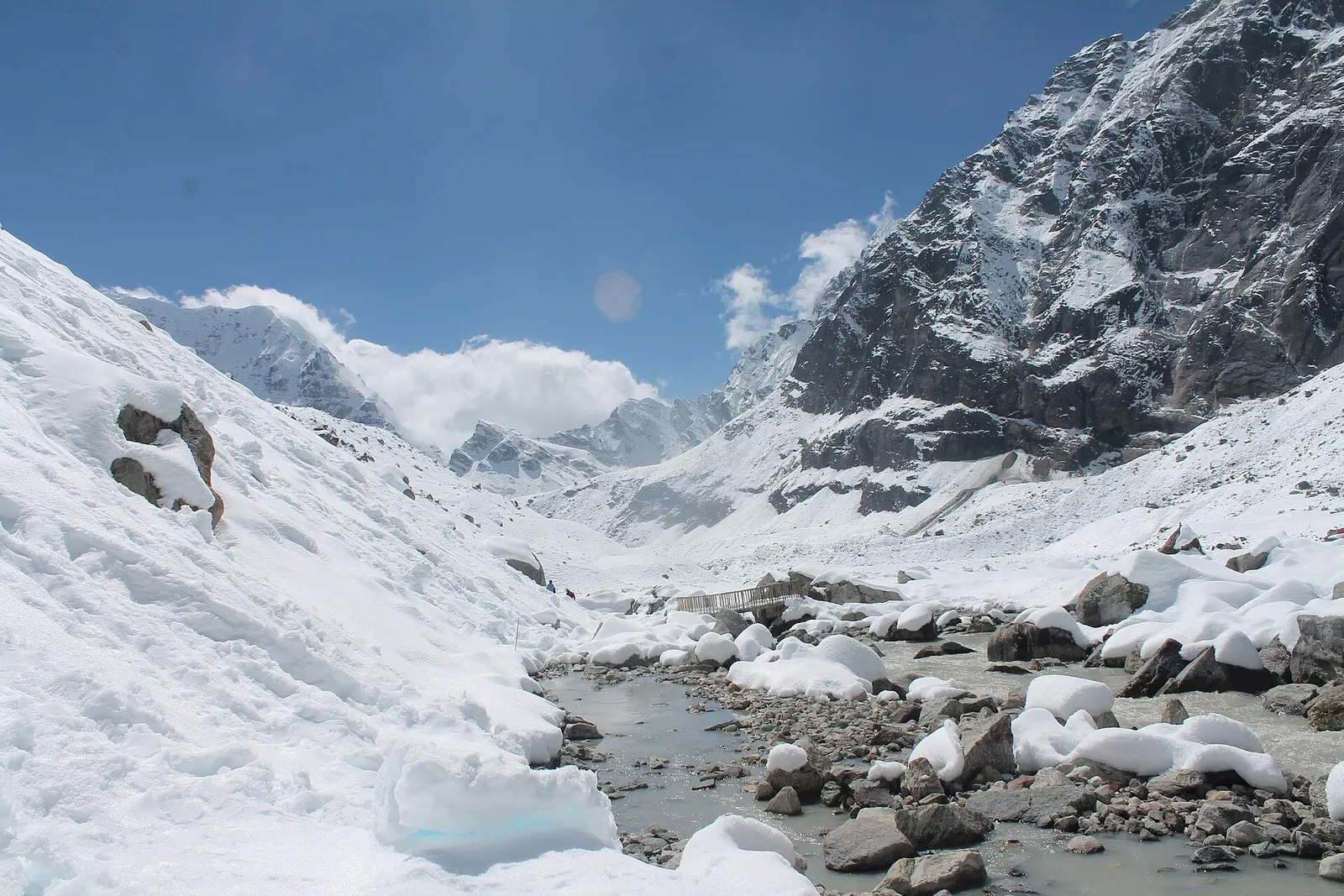
A glacier-carved valley in Makalu Barun National Park, leading through forest and high pasture to the foot of Makalu.
Koshi Provinceसङ्खुवासभा
From the deep Arun valley to the summit of Makalu, the district for the Makalu Barun National Park and the wild Barun Valley trek.
Sankhuwasabha is a large district in the north of Koshi Province, bordering Tibet (China) to the north. The Arun River cuts through it from north to south, and the land climbs from low, warm valley floors around Tumlingtar to Makalu, one of the world's highest peaks. Solukhumbu lies to the west, Taplejung and Terhathum to the east, and Bhojpur and Dhankuta to the south.
Rai, Sherpa, Lhomi, Gurung, Newar and Brahmin-Chhetri communities live here, and cardamom, rice and millet are grown on the lower slopes. Much of the north lies in the Makalu Barun National Park, known for rhododendron forests and rich wildlife. Trekkers come for the route to Makalu Base Camp through the Barun Valley, while the old bazaar of Chainpur and the headquarters Khandbari are worth a stop.
Valley or region
A glacier-carved valley in Makalu Barun National Park, leading through forest and high pasture to the foot of Makalu.
Town or village
An old Newar hill bazaar in Sankhuwasabha, long known for its brass and copper metalwork.
Town or village
The ridge-top headquarters of Sankhuwasabha district above the Arun valley, and the road gateway to the Makalu region.
Tumlingtar airport in the Arun valley has flights from Kathmandu and Biratnagar and is the usual starting point, a short drive below Khandbari. By road, the Koshi Highway runs north from Dharan via Dhankuta and Hile towards Khandbari, a long day's drive or more.
Autumn (October to November) is the best time for clear mountain views and trekking, with spring (April to May) good for rhododendrons; the monsoon brings heavy rain and leeches, and winter snow closes the high passes on the Makalu route.
A network of high and mid-hill routes about 1,700 km long that crosses Nepal from Kanchenjunga in the east to Humla and the far west, usually walked in sections, or as a through-trek of about four to five months.