Town or village
Sandhikharka
The quiet hill headquarters of Arghakhanchi district, a base for its temples and old principality sites.
Chitwan & Teraiसुपा देउराली मन्दिर
A hilltop goddess temple that is the best-known pilgrimage site in Arghakhanchi.
Supa Deurali is a temple to a local form of the mother goddess, standing on a forested ridge in the hills of Arghakhanchi district in Lumbini Province. It is the most widely known religious site in the district and draws devotees not only from Arghakhanchi but from neighbouring Gulmi, Palpa and the Terai towns to the south, as well as people from the district who have moved away and return to make offerings.
The setting is typical of the middle hills of western Nepal: terraced farmland on the lower slopes, forest towards the top and, on clear days, a long view over ridge after ridge of the Mahabharat range. The temple itself is a modest shrine rather than an architectural monument; its importance lies in the faith attached to it and in the crowds that gather on festival days.
For a traveller the visit is usually combined with time in Sandhikharka, the district headquarters, and with a slow road journey through the hills between Butwal, Arghakhanchi and Gulmi. It is a place to see living hill religion rather than a tourist sight, and facilities are those of a rural pilgrimage site.
Deurali is a common name in the Nepali hills for a shrine on a pass or ridge, and many such hilltop goddesses are honoured by travellers and villagers alike. Supa Deurali has grown from a local shrine into a regional pilgrimage centre, and devotees come to make vows and return with offerings when they believe their wish has been granted.
The busiest times are the main Hindu festivals, especially Dashain in autumn and the spring Navaratri around Chaite Dashain, when families walk or drive up in large numbers, bells ring constantly and the approach fills with stalls selling offerings and food. Animal sacrifice has traditionally been part of worship at many goddess temples in the region; visitors who prefer not to see it should avoid the main festival mornings.
Visit the temple
Join local devotees at the shrine, ideally early in the morning when the light is soft and the crowds are smaller.
Walk the ridge
Follow local paths along the forested ridge for views across the surrounding hills and valleys.
Combine with Sandhikharka
Stay in the district headquarters and make the temple a half-day outing by local transport.
Conditions change fast in the mountains.
Weather data: MET Norway, licensed CC BY 4.0. A forecast, not a guarantee.
Feb-Mar, Oct-Nov
Simple hotels and guesthouses are available in Sandhikharka; facilities near the temple itself are basic.
No partner stays are listed here yet. List a property.
Travel by road from Butwal into the hills to Sandhikharka, then continue by local road to the temple.
Nearest hub: Butwal
None needed
No permit is needed to visit the temple. Offerings are voluntary.
Verify before travel: permit rules and fees change. Checked 2026-10-08 against Arghakhanchi District, Wikipedia.
What this place is typically exposed to, and when. These are seasonal patterns, not a report on conditions now.
Landslidesmoderate in a typical yearJun-Sep
Hill roads in Arghakhanchi are exposed to landslides and washouts during the monsoon, and journeys can take much longer than planned.
Coldlow in a typical yearDec-Jan
Early mornings and nights on the ridge are cold in midwinter, and fog can linger in the valleys below.
Check current conditions before you travel
Roads, trails, passes and flights change with the weather and with roadworks, and nothing on this page describes conditions today. Before you set off, check the Department of Hydrology and Meteorology for weather and flood warnings, the Nepal Disaster Risk Reduction Portal for incidents, and the local authority, police or your licensed operator for road, trail and flight status.
On a hilltop in Arghakhanchi district, Lumbini Province, reached by road via the district headquarters, Sandhikharka.
During Dashain in autumn and Chaite Dashain in spring, when large numbers of pilgrims arrive.
No permit is required; offerings are voluntary.
Town or village
The quiet hill headquarters of Arghakhanchi district, a base for its temples and old principality sites.
Temple, monastery or heritage site
The hill area that gave Arghakhanchi half its name, once seat of a small principality.
Town or village
The hill headquarters of Gulmi, set below sacred Resunga and surrounded by coffee and terrace farming.
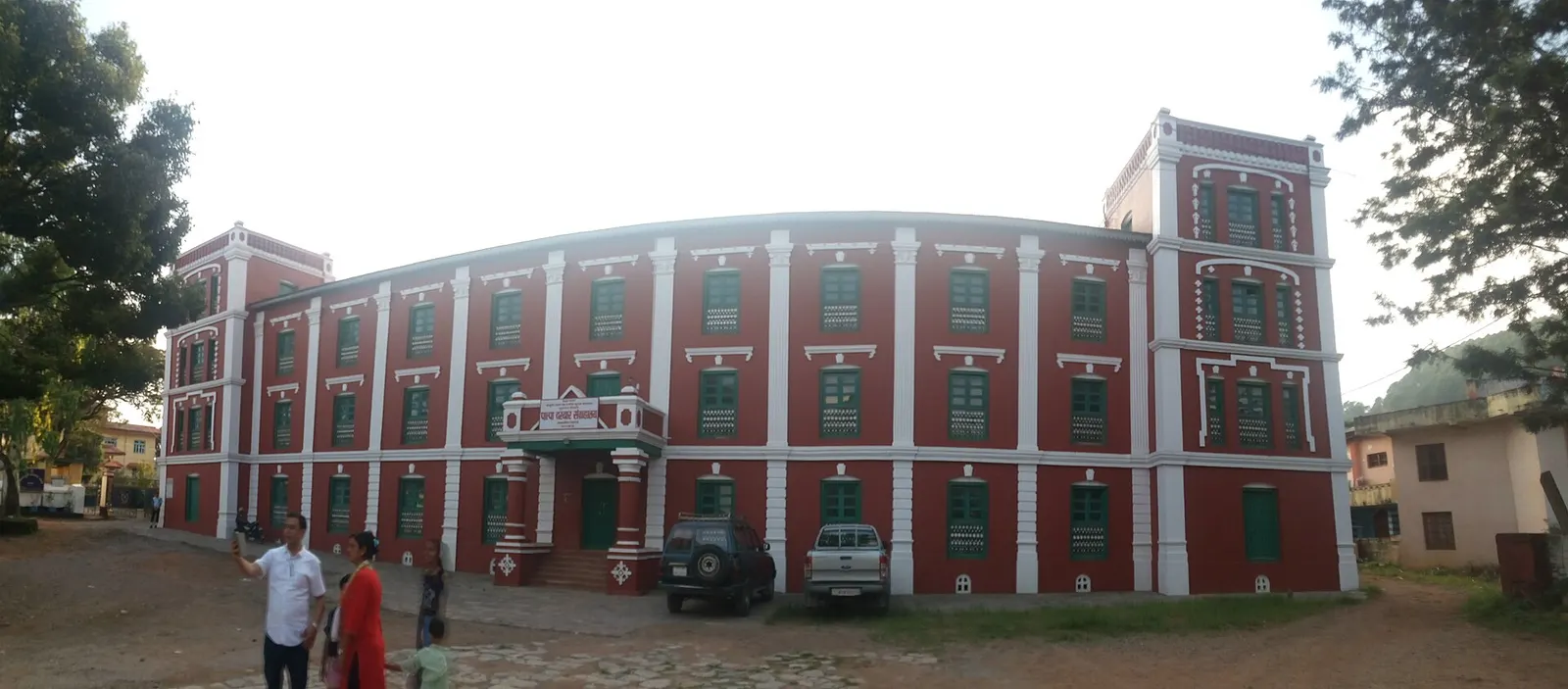
Town or village · 1,350 m
The old hill bazaar of Palpa district, with steep Newar lanes, Rana-era buildings and a Himalayan viewpoint above the town.