
Lake · 2,990 m
Rara Lake
Nepal's largest lake, a deep blue sheet of water ringed by pine forest in the remote Karnali hills.
Far Westबर्दिया राष्ट्रिय निकुञ्ज
A large, quiet national park in the western Terai, with tigers, wild elephants and river dolphins.
Higher seasonal exposure: flooding (Jul-Sep), heat (Apr-Jun).
Bardiya National Park covers about 968 square km of sal forest, riverine grassland and river channels in the western Terai, between the Karnali river on the west and the Babai river valley, with the Siwalik hills marking its northern edge. It is the largest and least disturbed national park in Nepal's lowlands, and together with the neighbouring Banke National Park it forms a large protected landscape for tigers and other wildlife.
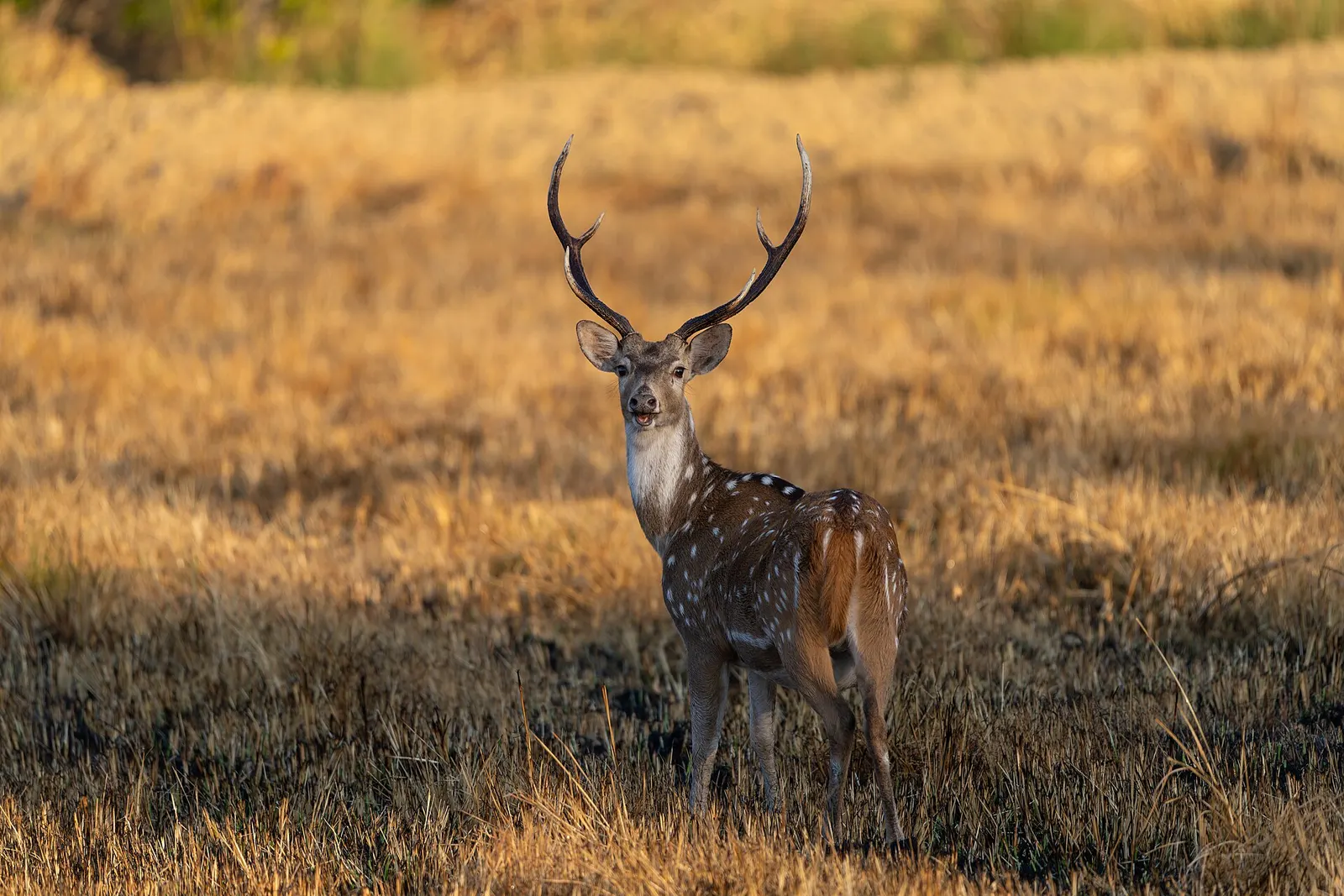
Most visitors stay in and around Thakurdwara, the village at the park's main entrance and headquarters. Activities centre on guided jungle walks, jeep safaris and rafting or canoe trips on the Geruwa, a branch of the Karnali. Bardiya is best known for Bengal tigers, and sightings are possible though never guaranteed. Greater one-horned rhinos, reintroduced from Chitwan from the 1980s onwards, wild Asian elephants, several deer species, mugger crocodiles and gharials live here, and the Karnali is one of the few places in Nepal where the endangered Ganges river dolphin can still be seen.
Because it is far from Kathmandu, Bardiya receives far fewer visitors than Chitwan. The pace is slower, groups are smaller and much of the wildlife viewing is done on foot, which suits travellers who want a more immersive experience. Plan at least two or three full days in the park.
The story
The Karnali is one of Nepal's great rivers, and the Tharu people of Bardiya still make offerings to Ban Devi, the forest goddess, before entering the jungle. Some naturalists will not go out tracking without a quiet word to her first.
This part of the Terai, known as Naya Muluk or the new country, was ceded to the British East India Company in 1815 and returned to Nepal in 1860. A royal hunting reserve was created here in 1969, which became the Royal Karnali Wildlife Reserve in 1976, was renamed Royal Bardia Wildlife Reserve in 1982, extended to the Babai valley in 1984, and gazetted as a national park in 1988. About 1,500 people living in the Babai valley were resettled elsewhere, and the abandoned farmland has since regenerated into prime wildlife habitat.
The villages around the park are home largely to the Tharu people, whose mud-walled houses, painted granaries, dances and festivals such as Maghi in January are a big part of a visit. Community homestays in Tharu villages near the park give a chance to share meals and daily life.
Full-day guided walkWith a guide
Walking safaris with licensed naturalists, often waiting at river crossings where tigers come to drink. February to May tends to give the best sighting chances after the grass is cut. Arranged through a licensed local operator.
indicative, about US$40-55 a day
Karnali river tripWith a guide
A half-day trip on the Karnali, looking for river dolphins, gharial and birds. Arranged through your lodge or a licensed local operator.
indicative, about US$25-35
Tharu village homestayBookable locally
Community homestays near Thakurdwara offer meals and an evening of local culture.
indicative, about US$20-30 a night
Jungle walk
Full-day or half-day walks with licensed park guides, often waiting at river crossings and watchtowers for tigers and other wildlife.
Jeep safari
Day trips by jeep cover more ground, including the grasslands and river channels in the west of the park.
River trip
Rafting or canoe trips on the Geruwa and Karnali give a chance to see dolphins, crocodiles and birds.
Tharu culture
Visit local villages, watch a stick dance, or stay in a community homestay around Thakurdwara or Dalla.
Forecast for 335 m. Conditions change fast in the mountains.
Weather data: MET Norway, licensed CC BY 4.0. A forecast, not a guarantee.
Feb-Apr, Oct-Nov
Lodges and homestays in Thakurdwara, close to the park headquarters.
Lodges and small resorts cluster around Thakurdwara; community homestays operate in Tharu villages nearby.
No partner stays are listed here yet. List a property.
Homestay dal bhat, river fish and Tharu dishes such as ghonghi (river snails).
Fly from Kathmandu to Nepalgunj and drive to Thakurdwara, or take a long-distance bus along the East-West Highway to Ambassa and transfer.
Nearest hub: Nepalgunj
Nearest hub: Nepalgunj. Times are typical ranges, not schedules, and vary with roadworks, weather and the season.
By airfrom Kathmanduabout 0.9-1.1 hNepalgunj
Fly Kathmandu to Nepalgunj, a sealed lowland airport that is also the hub for the remote western airstrips, then continue about 90-100 km by road to Thakurdwara.
By busfrom Kathmanduabout 13-16 hTourist and local buses
Night buses on the Mahendra Highway set down at Ambassa, from where local jeeps and autorickshaws run the last stretch to Thakurdwara.
When to set off: Long-distance buses to the far west leave Kathmandu in the late afternoon and evening and run overnight.
By car or jeepfrom Nepalgunjabout 2-3 h
Sealed Mahendra Highway north-west from Nepalgunj to Ambassa, then a short unsealed link to Thakurdwara on the park edge.
Road: Sealed single-lane highway, with the far-western sections in poor repair, then an unsealed village road to the park gate.
By motorbikefrom Nepalgunjabout 2-3 hEasy riding
Flat and straightforward on the highway; the last village roads are unsealed and dusty, and April to June is punishingly hot.
Road: Flat sealed highway with rough patches, then unsealed village roads to Thakurdwara.
When to set off: Ride early to avoid the worst of the pre-monsoon heat.
Entry fee
A national park entry permit is required for entering the park, and activities inside must be done with licensed guides. Check the latest rules and fees.
Verify before travel: permit rules and fees change. Checked 2026-10-06 against Department of National Parks and Wildlife Conservation.
What this place is typically exposed to, and when. These are seasonal patterns, not a report on conditions now.
Floodinghigh in a typical yearJul-Sep
The rainy season runs from July to September and the park is bisected by the Babai and bounded by the Karnali, so river levels and flooded ground limit movement inside it.
Heathigh in a typical yearApr-Jun
April to June is the hot season, with temperatures reaching about 42 C; it is also when animals gather at water and tiger sightings are most likely, so plan around the middle of the day.
Road blockagesmoderate in a typical yearJun-Sep
The Mahendra Highway approach crosses more than 500 bridges and many monsoon-swollen rivers, and the western sections are in poor repair, so journeys can be slowed in the rains.
Seasonal closuremoderate in a typical yearJul-Sep
October to March is the recommended season; during the July to September rains grass is tall, tracks are wet and park activities are limited.
Landslideslow in a typical yearJun-Sep
This is a lowland park on the Terai plain below the Siwalik hills, so landslide exposure is low; water, not slope failure, is the monsoon hazard here.
Check current conditions before you travel
Roads, trails, passes and flights change with the weather and with roadworks, and nothing on this page describes conditions today. Before you set off, check the Department of Hydrology and Meteorology for weather and flood warnings, the Nepal Disaster Risk Reduction Portal for incidents, and the local authority, police or your licensed operator for road, trail and flight status.
Safety
Walk in the park only with licensed naturalist guides and follow their instructions. Wild elephants are a real danger in and around the park, including at night near villages. Use insect repellent; it is very hot from April to June.Fly to Nepalgunj and drive about 2-3 hours to Thakurdwara, or take a 13-16 hour bus to Ambassa and transfer.
Bardiya has a healthy tiger population and sightings are possible, especially in spring, but never guaranteed.
October to April; March to May is hot but best for wildlife. The monsoon months bring floods and many closures.
Yes, a park entry permit is required, and activities inside the park must be with licensed guides.
Bardiya is quieter and wilder with better odds for tigers, while Chitwan is easier to reach and has more facilities.
Bardiya is quieter and many visitors go for the tiger-tracking walks, but sightings are never guaranteed in either park.
February to May for wildlife sightings, when the grass is short, though April and May are hot. October and November are pleasant but the grass is tall.
Lake · 2,990 m
Nepal's largest lake, a deep blue sheet of water ringed by pine forest in the remote Karnali hills.
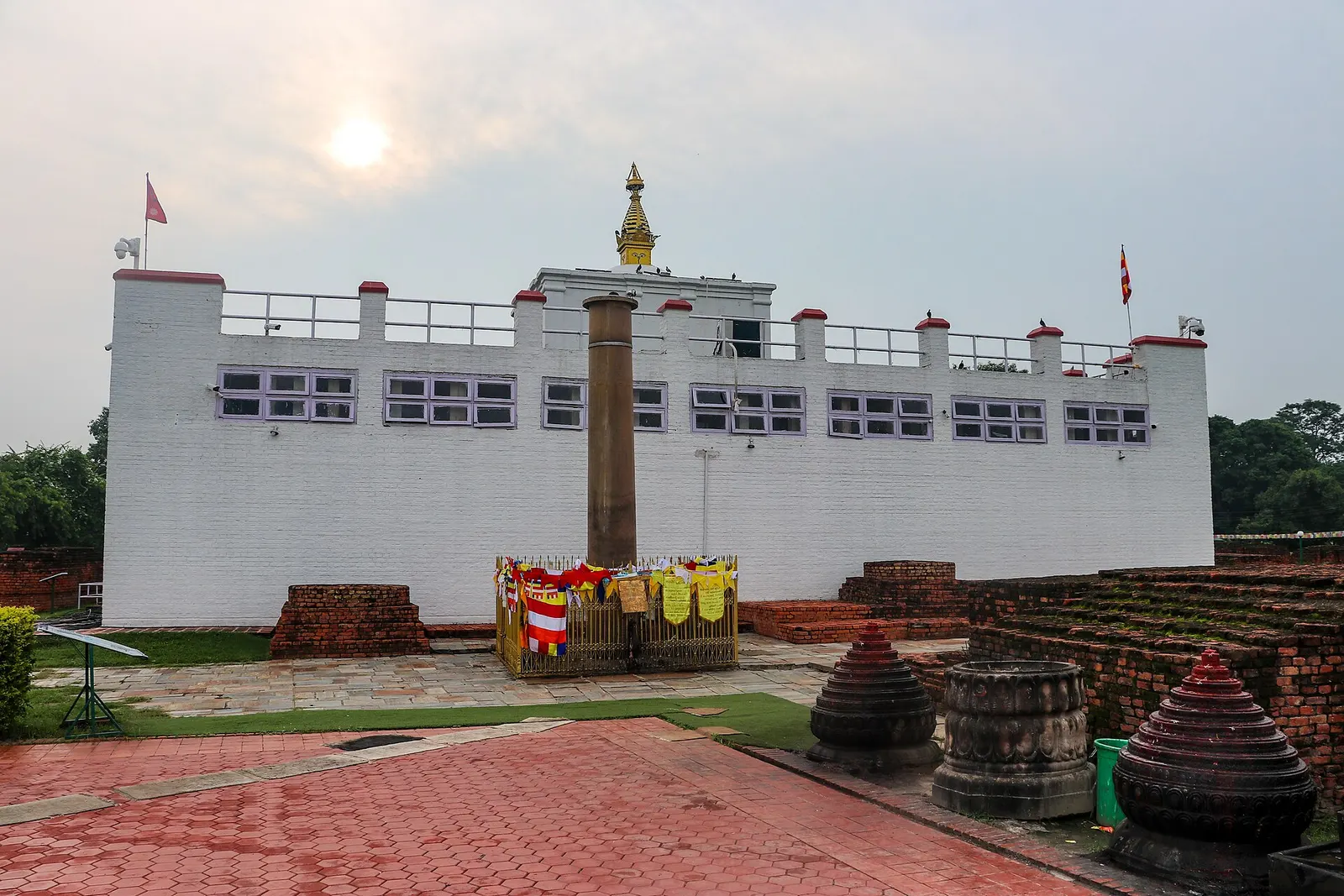
Temple, monastery or heritage site · 150 m
The birthplace of the Buddha in the Terai, a sacred garden with an Ashokan pillar, ringed by monasteries from across the Buddhist world.